

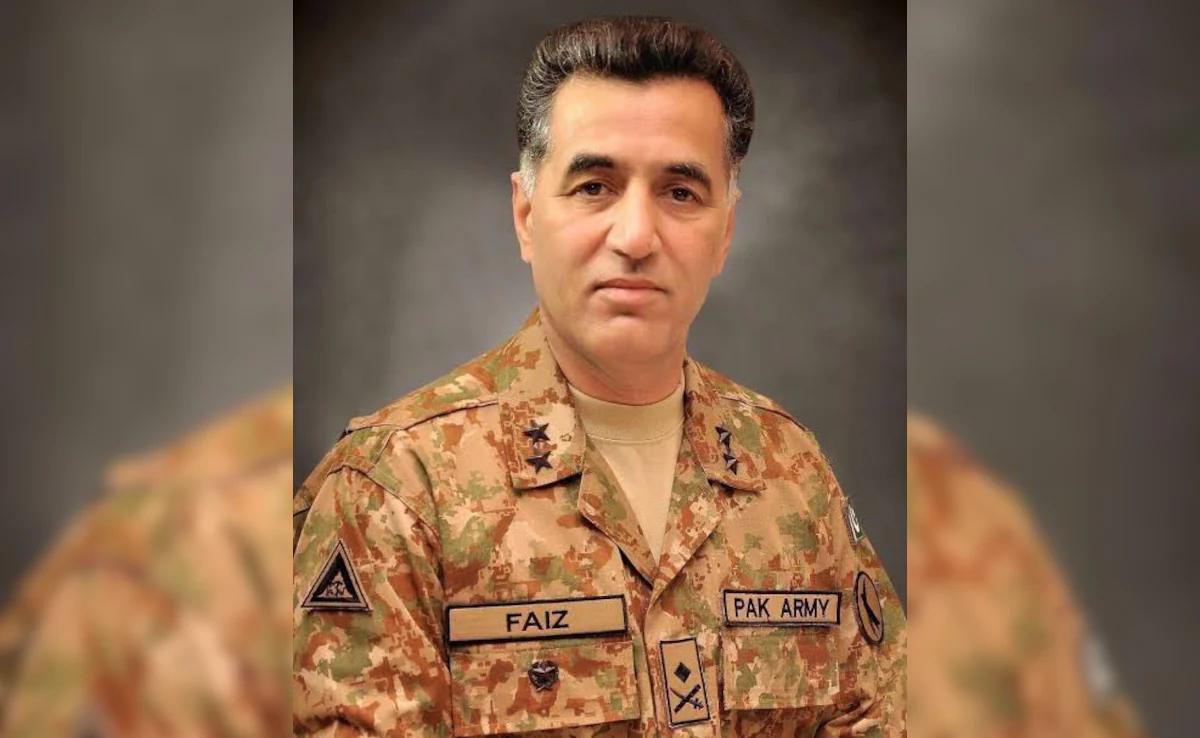
In a historic and unprecedented legal ruling, Lieutenant General Faiz Hameed, the former head of Pakistan’s Inter-Services Intelligence (ISI), has been sentenced to 14 years of rigorous imprisonment. This development marks a significant moment in Pakistan’s political and military history, as it is the first time a former chief of the country’s powerful intelligence agency has been convicted and jailed by a military court.
The Field General Court-Marshal (FGCM) issued the ruling on December 11, 2025, following a lengthy 15-month trial. General Hameed, who served as the ISI chief from 2019 to 2021, was found guilty of violating national security protocols, engaging in political meddling, and misusing his position for personal and political gains.
Charges and Conviction
The court concluded that Hameed had overstepped his authority, abusing state power to manipulate political dynamics and pursue personal interests that compromised Pakistan’s national security. The charges against him include violating the Official Secrets Act, misconduct in office, and interfering with political affairs, which are considered grave offenses under military law. Hameed was also found guilty of actions that caused harm to the country’s security infrastructure and its democratic processes.
A statement issued by Pakistan’s Inter-Services Public Relations (ISPR) confirmed that Hameed was given a fair trial, but the court’s findings led to the sentencing. The verdict, which was delivered behind closed doors, allows Hameed the option of appealing the decision. This has stirred intense debate about the fairness and transparency of military trials, especially those involving high-ranking officials.
A Powerful Figure with a Controversial Legacy
Faiz Hameed, a senior military officer who commanded the ISI from 2019 to 2021, was known for his influential role within Pakistan’s intelligence community and his deep connections to political circles. His tenure as ISI head saw him become a central figure in many high-profile national and international affairs, including matters related to Pakistan’s foreign policy and domestic governance.
Hameed’s close ties to Imran Khan, the former Prime Minister, have been widely discussed and analyzed, especially in light of the political challenges both men have faced. In recent years, allegations of Hameed’s involvement in controversial matters, including the Top City housing scandal, began to surface. His arrest in August 2024 and the subsequent military investigation further fueled speculation about his activities and the level of political influence he wielded.
A Milestone in Pakistan’s Civil-Military Relations
The conviction of a former ISI chief is a monumental event, as it reflects a shift in Pakistan’s long-standing traditions of military power and authority. Traditionally, high-ranking military officials have been insulated from legal scrutiny. This ruling, however, indicates a potential recalibration in how Pakistan’s military leadership is held accountable, especially in matters of national security and political interference.
While some see the verdict as a step toward increased accountability within the military establishment, others have raised concerns about the potential political motivations behind the trial. Critics have argued that the trial process was overly opaque, and the charges against Hameed may have been influenced by internal military politics.
The Path Ahead: Legal and Political Ramifications
The sentence imposed on General Faiz Hameed has far-reaching implications for Pakistan’s future. It raises important questions about the role of the military in politics, the legal processes for holding officials accountable, and the relationship between civilian leadership and the armed forces.
Many political analysts view this case as a significant moment in Pakistan’s long-standing struggle with civil-military relations, particularly when it comes to the issue of political interference by military personnel. Whether this trial becomes a turning point in the country’s political landscape remains to be seen, but it certainly sets a precedent for future cases involving senior military officers.
As this story develops, all eyes will be on Pakistan’s military establishment and political leadership to see how this verdict affects the broader dynamics of power in the country.