
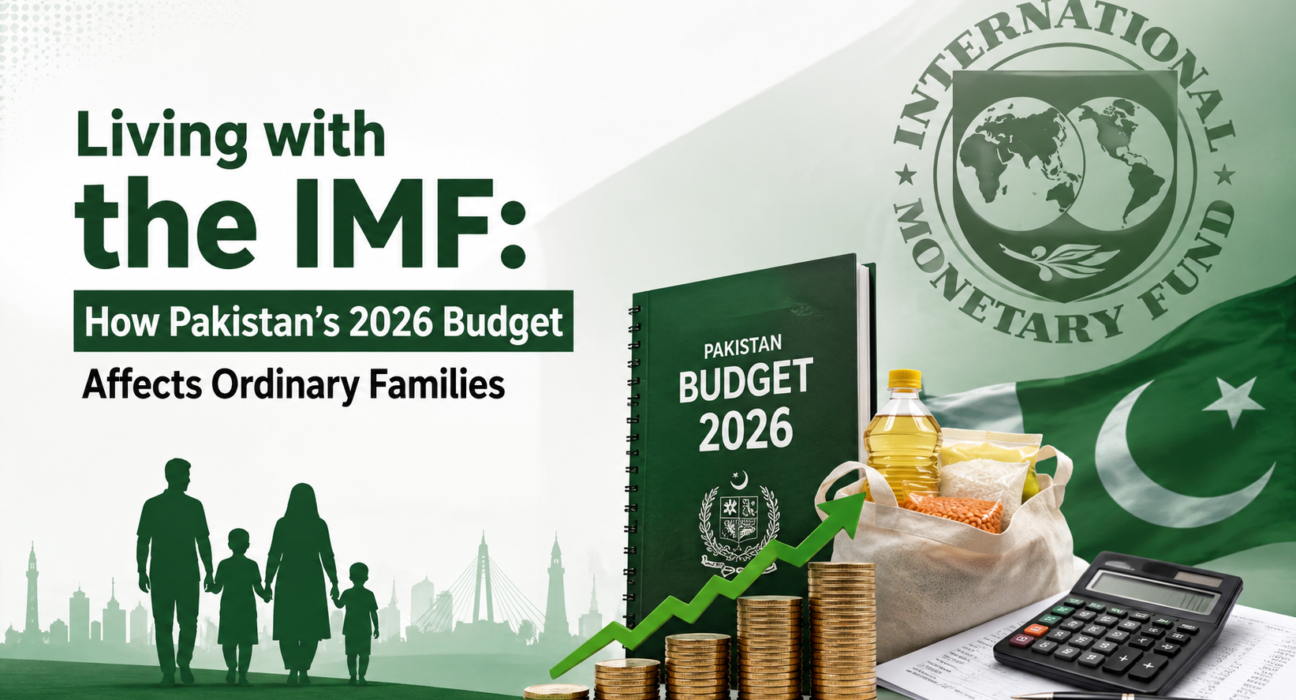
Pakistan’s 2026 federal budget has become one of the most discussed topics across the country. Many families are asking the same question: How will this budget affect my daily life? The answer is closely linked to Pakistan’s ongoing agreement with the International Monetary Fund (IMF). While the government says these financial reforms are necessary to stabilize the economy, many ordinary people are worried about rising prices and shrinking household budgets.
Why Is the IMF Involved?
Pakistan has faced serious economic challenges over the past few years, including high inflation, a weak currency, and growing public debt. To avoid a financial crisis, the government entered an agreement with the IMF, which provides financial support in exchange for economic reforms.
These reforms usually include increasing taxes, reducing government spending, and improving tax collection. While these steps may help strengthen the economy over time, they often create short-term financial pressure for citizens.
What Does the 2026 Budget Mean for Families?
The 2026 budget focuses on increasing government revenue while controlling spending. As a result, many households may notice changes in their monthly expenses.
Here is a quick look at how different areas may be affected:
| Area | Possible Impact on Families |
| Utility Bills | Electricity and gas prices may remain high due to reduced subsidies. |
| Taxes | More taxes on goods and services can increase shopping costs. |
| Fuel Prices | Transport expenses may stay expensive if fuel prices rise. |
| Government Spending | Reduced subsidies may affect some public services. |
| Inflation | Families may continue to face higher prices for daily essentials. |
Budget Changes and Their Impact on Everyday Life
| Household Expense | How Families May Feel the Impact |
| Grocery Shopping | Higher prices for food items can increase monthly grocery bills. |
| Transportation | Fuel price adjustments may raise bus, taxi, and delivery costs. |
| Education | School fees, books, and transport expenses may become more expensive. |
| Healthcare | Medical treatment and medicines could cost more due to inflation. |
| Savings | Many families may find it harder to save money each month. |
Rising Cost of Living
For many middle-class and low-income families, the biggest concern is the cost of living. Even small increases in electricity bills, fuel prices, or food costs can make a big difference.
Families may need to adjust their budgets by cutting unnecessary expenses, delaying major purchases, or finding additional sources of income. Many people are already comparing prices more carefully before shopping and looking for discounts wherever possible.
Businesses Also Feel the Pressure
Small businesses are another important part of Pakistan’s economy. Higher taxes, increased operating costs, and expensive electricity can reduce profits for shopkeepers, manufacturers, and service providers.
When businesses spend more to produce goods, those extra costs are often passed on to customers. This is one reason why prices continue to rise for everyday products.
Are There Any Positive Signs?
Although many people focus on the immediate hardships, economists believe that IMF-backed reforms can create long-term benefits if they are implemented properly.
A more stable economy can help reduce financial uncertainty, improve investor confidence, and strengthen government finances. Better tax collection may also allow the government to invest more in education, healthcare, and infrastructure in the future.
However, these benefits usually take time to appear, while the financial burden is felt much sooner by ordinary citizens.
How Can Families Manage?
Families can take practical steps to reduce financial stress during challenging economic times. Creating a monthly budget, limiting unnecessary spending, reducing electricity usage, and comparing prices before making purchases can help stretch household income.
Those with savings should continue building an emergency fund whenever possible, while workers may benefit from learning new skills that increase their earning opportunities.
Final Thoughts
Pakistan’s 2026 budget reflects the difficult balance between meeting IMF requirements and protecting the financial well-being of its citizens. While the reforms aim to improve the country’s economic stability, many ordinary families are facing higher living costs and tighter household budgets.
The coming months will show whether these policies can deliver long-term economic growth while reducing the burden on everyday Pakistanis. Until then, careful financial planning and responsible government implementation will both play an important role in helping families navigate these economic challenges.