

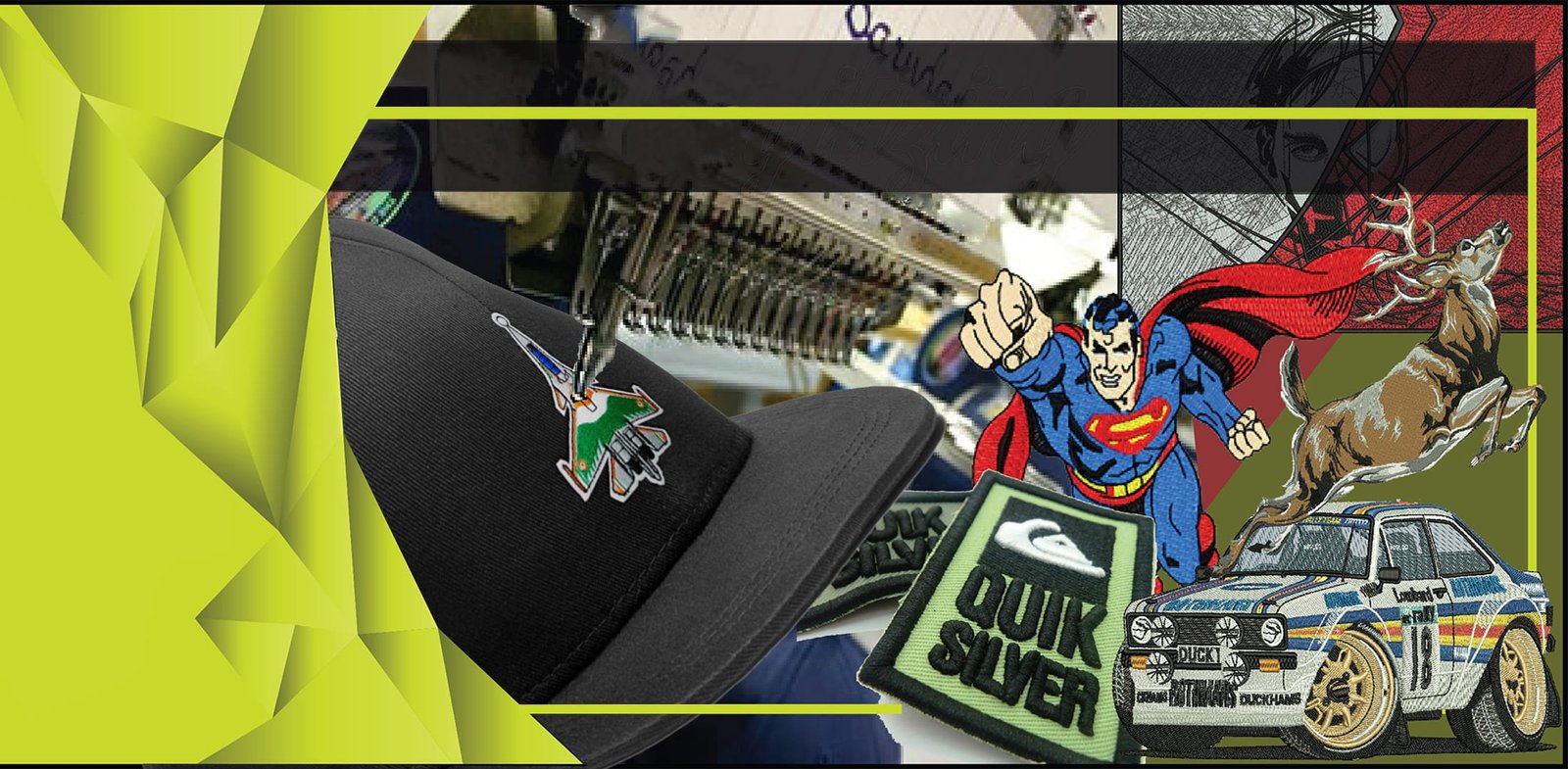
Embroidery has evolved from a traditional craft into a highly technical and competitive industry. Today, customers expect sharp logos, smooth stitches, and flawless finishing on every embroidered product. Whether it’s caps, uniforms, jackets, patches, or promotional items, the quality of embroidery depends on one crucial factor: embroidery digitizing services.
Many people assume embroidery quality depends only on the machine or thread, but the truth is different. Even the most advanced embroidery machine cannot produce good results without proper digitizing. This is why custom embroidery digitizing services play a vital role in turning artwork into stitch-perfect embroidery designs.
In this detailed guide, we will explore what embroidery digitizing services are, why custom digitizing matters, how the process works, and how professional digitizing can transform your embroidery output.
What Are Embroidery Digitizing Services
Embroidery digitizing services involve converting artwork such as logos, text, or images into a digital embroidery file that an embroidery machine can read. This file contains detailed instructions that guide the machine on how to stitch the design, including stitch types, stitch direction, stitch density, underlay, and sequence.
Digitizing is not simple image conversion. It is a technical process that requires embroidery knowledge, fabric understanding, and design expertise. Professional embroidery digitizing services manually create stitch paths to ensure the design stitches cleanly and looks professional on fabric.
Why Embroidery Digitizing Is the Foundation of Quality Embroidery
Every embroidery design starts with digitizing. Poor digitizing leads to problems such as thread breaks, fabric puckering, misaligned stitches, and distorted designs. High-quality embroidery digitizing services prevent these issues by optimizing the design for embroidery machines.
Proper digitizing ensures:
- Smooth stitch flow
- Correct stitch density
- Clean outlines and edges
- Strong underlay support
- Reduced thread breaks
Without professional digitizing, even simple designs can fail during stitching.
Importance of Custom Embroidery Digitizing Services
Not all embroidery designs are the same, and neither are fabrics. Custom embroidery digitizing services tailor each design specifically to your needs, fabric type, and machine settings.
Custom digitizing is important because:
- Different fabrics require different stitch densities
- Caps, jackets, and stretch fabrics need special digitizing techniques
- Small text and fine details need careful stitch control
- Logos must maintain brand accuracy
Generic or auto-digitized designs often fail because they do not account for these factors. Custom embroidery digitizing services ensure each design is created for the best possible outcome.
Manual Digitizing vs Auto Digitizing
Many beginners rely on auto-digitizing software, but professional embroidery businesses prefer manual digitizing. The difference in quality is significant.
Auto Digitizing
Auto digitizing uses software to convert images into stitches automatically. While fast, it often produces:
- Excessive stitches
- Poor stitch direction
- Lack of proper underlay
- Rough edges
Manual Digitizing
Professional embroidery digitizing services use manual digitizing, where skilled digitizers control every stitch. This results in:
- Balanced stitch density
- Clean outlines
- Better fabric handling
- Professional finishing
Manual digitizing takes more time but delivers far superior results.
The Process of Professional Embroidery Digitizing Services
Understanding the digitizing process helps you appreciate its value.
Step 1: Artwork Review
The digitizer analyzes the artwork, checking details, colors, and complexity.
Step 2: Fabric Selection
Fabric type plays a major role in digitizing. Cotton, polyester, denim, leather, and caps all require different settings.
Step 3: Stitch Planning
The digitizer decides stitch types such as satin, fill, or running stitches and plans stitch direction for smooth embroidery.
Step 4: Underlay Setup
Underlay stitches provide stability and prevent fabric distortion.
Step 5: Stitch Sequencing
Correct stitching order reduces thread trims and machine stops.
Step 6: Final Testing
Professional embroidery digitizing services test designs to ensure smooth machine performance.
Common Embroidery File Formats Provided by Digitizing Services
Different embroidery machines use different file formats. Custom embroidery digitizing services provide the correct format according to your machine.
Common formats include:
- DST
- PES
- JEF
- EXP
- VP3
- HUS
Providing the right format ensures compatibility and smooth stitching.
Who Needs Embroidery Digitizing Services?
Embroidery digitizing services are essential for many industries and individuals, including:
- Commercial embroidery shops
- Clothing and fashion brands
- Promotional product companies
- Sports teams and schools
- Corporate branding companies
- Patch and badge manufacturers
- Custom gift creators
Anyone who wants professional embroidery results needs reliable digitizing services.
Benefits of Using Professional Custom Embroidery Digitizing Services
1. Professional Appearance
Well-digitized designs look clean, sharp, and polished.
2. Reduced Production Issues
Proper digitizing minimizes thread breaks, needle breaks, and machine downtime.
3. Faster Production
Optimized stitch paths reduce machine run time.
4. Cost Efficiency
Less fabric waste and fewer re-runs save money in the long run.
5. Consistent Quality
Every stitch remains consistent across multiple garments.
Digitizing for Different Embroidery Applications
Cap and Hat Embroidery
Caps require special digitizing techniques such as center-out stitching and correct pull compensation.
3D Puff Embroidery
3D puff designs require adjusted density and stitch height for clean raised effects.
Patch Digitizing
Patch designs need strong borders and dense stitches for durability.
Applique Digitizing
Applique requires precise placement stitches and clean cutting lines.
Custom embroidery digitizing services handle these specialized needs professionally.
Common Digitizing Mistakes to Avoid
Poor digitizing can ruin embroidery results. Common mistakes include:
- Over-digitizing with too many stitches
- Incorrect stitch density
- Poor underlay
- Wrong stitch angles
- Ignoring fabric behavior
Professional embroidery digitizing services eliminate these mistakes through experience and testing.
How to Choose the Right Embroidery Digitizing Services
When selecting a digitizing provider, look for:
- Experienced digitizers
- Manual digitizing process
- Fast turnaround time
- Reasonable pricing
- Free revisions
- Customer support
Reliable custom embroidery digitizing services focus on quality, not shortcuts.
Why Cheap Digitizing Can Cost You More
Low-cost digitizing often means poor quality. Cheap designs may stitch poorly, causing wasted fabric, time, and thread. Investing in professional embroidery digitizing services saves money by reducing production errors and improving customer satisfaction.
Future of Embroidery Digitizing Services
As embroidery technology advances, digitizing continues to evolve. However, human expertise remains irreplaceable. Automated tools may assist, but professional custom embroidery digitizing services will always be essential for quality embroidery.
Final Thoughts
Embroidery digitizing is the backbone of successful embroidery. Without proper digitizing, even the best machines cannot deliver quality results. Embroidery digitizing services ensure your designs stitch smoothly, look professional, and meet industry standards.
By choosing custom embroidery digitizing services, you invest in precision, consistency, and long-term success. Whether you are a beginner or an established embroidery business, professional digitizing is the key to flawless embroidery every time.