
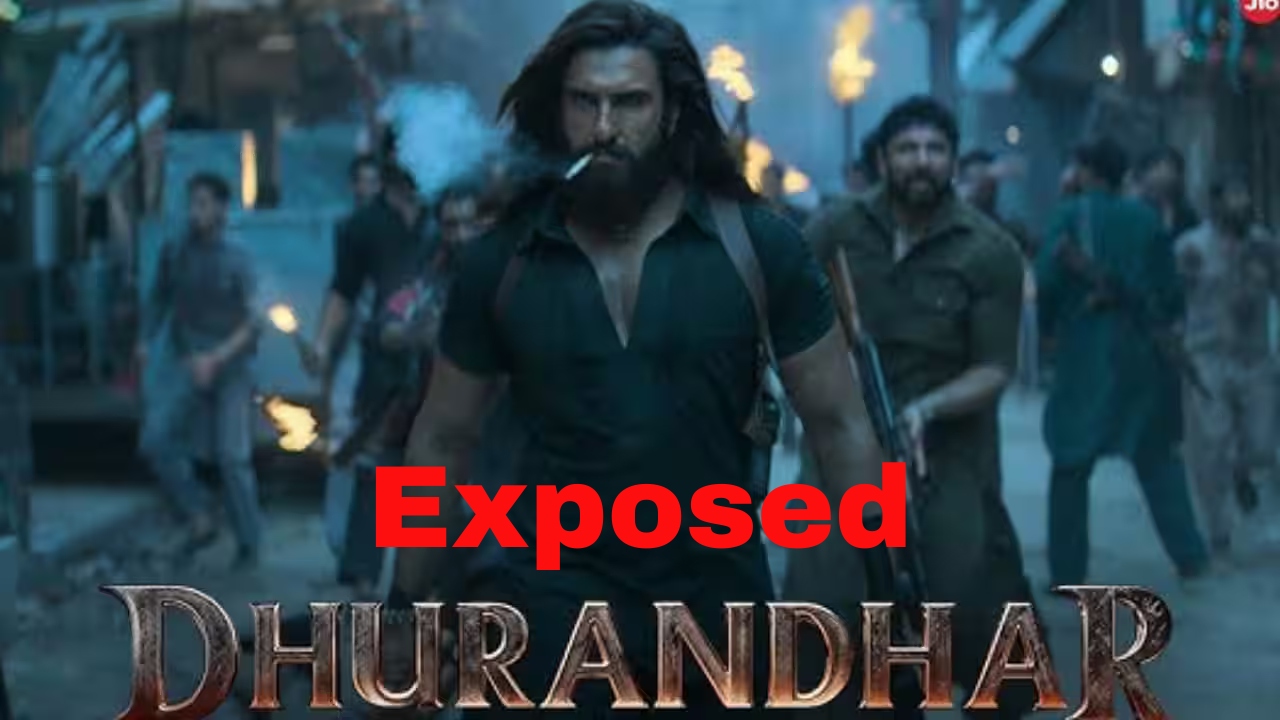
In the world of cinema, films often take creative liberties, but when these liberties distort history, spread misinformation, and promote harmful narratives, it crosses a line. Dhurandhar, directed by Aditya Dhar, has sparked intense controversy for its portrayal of real-life figures, historical events, and a blatant misrepresentation of the truth.
False Claims and Historical Distortions
The film markets itself as “based on true events,” but upon closer examination, it becomes clear that Dhurandhar misrepresents key aspects of history. The movie fabricates the story of notorious criminal Rehman Dakait and distorts the heroic martyrdom of Pakistani police officer SSP Chaudhary Aslam. These inaccuracies not only damage the integrity of the film but also disrespect the legacy of real-life individuals who sacrificed their lives in the fight against terrorism.
The Insult to Martyrs and Their Families
One of the most contentious aspects of Dhurandhar is its treatment of the martyrdom of SSP Chaudhary Aslam. A decorated officer who gave his life battling terrorism, Chaudhary Aslam is reduced to a caricature in the film, with derogatory dialogue tarnishing his legacy. This portrayal is an affront to not just Pakistan, but to every martyr and their family who have made ultimate sacrifices in the fight against extremism.
The Fabrication of Lyari and Rehman Dakait’s Story
The film’s depiction of Lyari, a neighborhood in Karachi, is another area where Dhurandhar takes significant creative liberties. The portrayal of Lyari, a region with a complex socio-political history, is oversimplified and manipulated for dramatic effect. Rehman Dakait, a notorious figure in Karachi’s underworld, is portrayed in a manner that ignores the nuances of his real-life story, instead offering a sensationalized and misleading version.
Bollywood’s Anti-Pakistan Narrative
Another key issue raised in the video is the film’s contribution to a growing trend of anti-Pakistan narratives in Bollywood. The video argues that films like Dhurandhar promote division and hatred by painting an entire nation in a negative light, using historical events and real people as pawns in a broader political agenda. This dangerous narrative not only distorts history but also perpetuates harmful stereotypes.
The Ban in Gulf Countries
Dhurandhar has already faced bans in multiple Gulf countries, further highlighting its controversial content. The film’s portrayal of real-life figures and its distortion of history were deemed unacceptable by authorities, leading to its removal from screens in key regions. This ban is a direct result of the film’s ethical violations and its potential to incite tension between nations.
The Abuse of Creative Freedom
While “creative freedom” is often touted as a justification for artistic expression, Dhurandhar is an example of how this freedom can be abused. The filmmakers have taken liberties that not only harm the reputations of real individuals but also serve a political agenda, spreading hatred and misinformation in the process. What was intended as creative storytelling has instead turned into creative bankruptcy, leaving behind a film that cannot be justified as “art.”
Conclusion: Challenging the Narrative
Cinema has immense power to shape perceptions and influence society. When this power is used irresponsibly, as seen in Dhurandhar, it must be called out. This is not just a matter of artistic expression but of ethical responsibility. The film’s false claims, historical distortions, and anti-Pakistan rhetoric must be challenged, not just by audiences, but by the film industry itself.
Key Takeaways:
- Dhurandhar distorts historical events and real-life stories for dramatic effect.
- The film disrespects the legacy of SSP Chaudhary Aslam, a national hero.
- Misleading portrayals of Lyari and Rehman Dakait fuel misinformation.
- The rise of anti-Pakistan narratives in Bollywood is becoming a dangerous trend.
- Multiple Gulf countries have banned Dhurandhar for its controversial content.
- Creative freedom should not be an excuse for spreading propaganda and hatred.