
News Tech

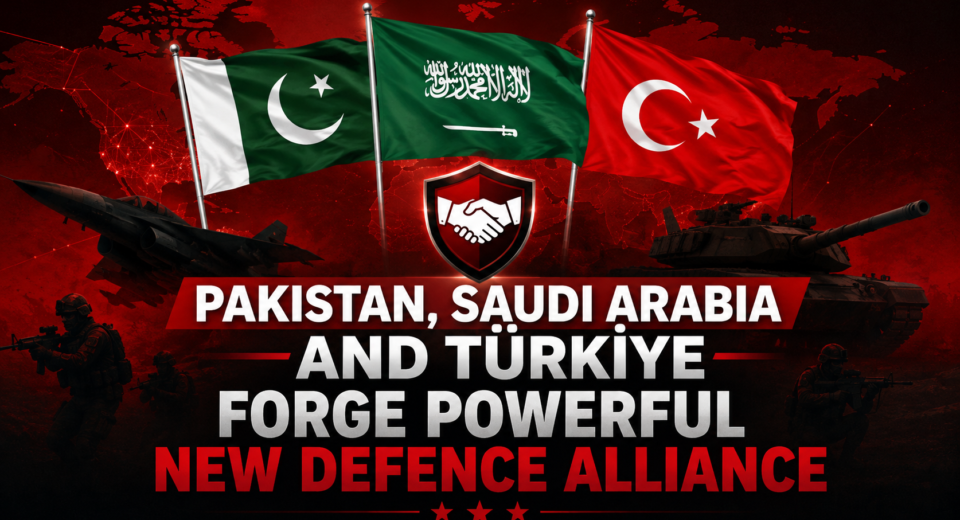
Pakistan, Saudi Arabia and Türkiye Forge Powerful New Defence Alliance

If you’ve been keeping an eye on Middle Eastern politics lately, you probably felt the ground shift a little on August 7, 2026. That’s the day Pakistan, Saudi Arabia and Türkiye put pen to paper on a landmark trilateral defence pact, and honestly, it’s the kind of move that could reshape how an entire region thinks about security for years to come. What Actually Happened in Mecca The leaders of all three nations — Turkish President Recep Tayyip Erdogan, Saudi Crown Prince Mohammed bin Salman, and Pakistani Prime Minister Shehbaz Sharif — met in Mecca to sign what’s now being called the Mecca Joint Defence Pact. At its core, the agreement borrows a page straight out of NATO’s playbook: <cite index=”1-1″>any armed attack against one of the three states will be treated as an attack against all of them</cite>. That’s a huge commitment, and it signals just how seriously these three governments are taking the current regional turbulence. This isn’t something that came out of nowhere either. It actually builds on an earlier bilateral pact between Saudi Arabia and Pakistan, the Strategic Mutual Defence Agreement, which the two countries signed back in September 2025 in Riyadh. That deal already established the “an attack on one is an attack on both” principle between Islamabad and Riyadh. Türkiye’s decision to join takes that foundation and turns it into something much bigger — a genuine three-way security bloc. Why Now? Timing matters a lot here. Saudi Arabia has been dealing with repeated attacks this year from Iran-backed groups, especially as tensions boiled over following the American-Israeli military campaign against Iran. <cite index=”1-1″>Saudi officials were reportedly bracing for further strikes from Iranian proxies in Yemen and Iraq</cite> even in the hours before the pact was signed. Meanwhile, Pakistan has quietly positioned itself as a diplomatic go-between throughout the Iran conflict, and Türkiye has its own long list of security concerns closer to home. Bringing Ankara into the fold adds real weight to the alliance, partly because Türkiye is a NATO member with a serious, fast-growing defence export industry. For Saudi Arabia and Pakistan, that opens the door to easier access to Turkish military hardware and technology, something analysts see as a genuinely practical upside beyond the symbolic show of unity. A New Regional Order? Experts are divided on how far this alliance will actually go. Some describe it as a blend of deterrence and diplomacy, a way to nudge the region toward stability without pointing fingers at any one adversary. Others are more cautious, pointing out that the practical mechanics still aren’t clear. If, say, Houthi forces strike Saudi Arabia, does that automatically pull in Türkiye and Pakistan too? Nobody’s entirely sure yet, and that ambiguity is exactly what makes this pact so interesting — and a little unpredictable. Turkish officials have been careful to frame the agreement as purely defensive and not aimed at any specific country, while also noting it remains open to other regional states down the line. That last part is worth watching closely, because it hints this could grow into something even bigger than a trilateral arrangement. Quick Comparison: The Two Pacts Feature Strategic Mutual Defence Agreement Signed September 17, 2025 Location Riyadh, Saudi Arabia Parties Pakistan, Saudi Arabia Core principle Attack on one = attack on both Mecca Joint Defence Pact Feature Mecca Joint Defence Pact Signed August 7, 2026 Location Mecca, Saudi Arabia Parties Pakistan, Saudi Arabia, Türkiye Core principle Attack on one = attack on all three Where Things Go From Here Whether this pact becomes a true regional stabilizer or just another paper agreement will depend a lot on how it’s tested — and given the current climate, that test might come sooner rather than later. For now, though, one thing’s certain: the security map of the Middle East and South Asia just got a lot more interesting. Artifacts Pakistan us trade talks resume Document · MD  Nirmal purja broad peak tragedy Document · MD  Pakistan us trade talks Document · MD  Pakistan petrol price cut Document · MD 
News Tech

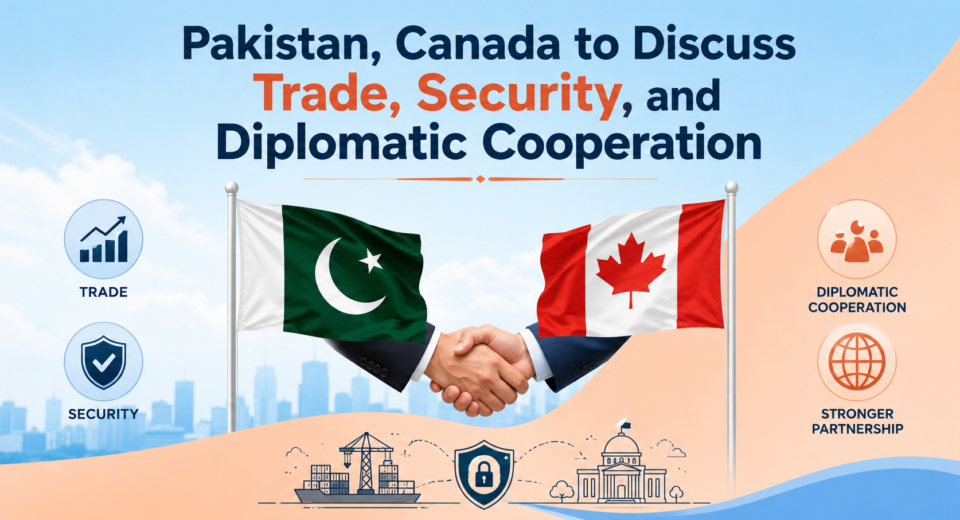
Pakistan, Canada to Discuss Trade, Security, and Diplomatic Cooperation

As Pakistan and Canada work toward strengthening bilateral ties, both countries are preparing for high-level discussions focused on trade, security, and diplomatic cooperation. The expected talks mark an important step in rebuilding engagement between Islamabad and Ottawa after years of relatively limited high-level interaction. With changing global economic and geopolitical realities, both nations have strong reasons to deepen cooperation in areas that benefit their economies, regional stability, and people-to-people relations. The meeting is expected to cover a broad range of issues, including expanding trade opportunities, enhancing security collaboration, promoting investment, and improving diplomatic relations. Officials from both countries view the discussions as an opportunity to build a stronger partnership based on mutual respect and shared interests. Topic Details Countries Involved Pakistan and Canada Main Agenda Trade, Security, Diplomatic Cooperation Expected Participants Senior Government Officials and Foreign Ministers Focus Areas Investment, Counterterrorism, Economic Growth, Regional Stability Expected Outcome Stronger Bilateral Relations Key Highlights of Pakistan-Canada Bilateral Talks Discussion Area Importance Trade Expansion Boost bilateral commerce and investment Security Cooperation Address regional and international security challenges Diplomatic Relations Improve political dialogue and cooperation Education & Immigration Strengthen academic and people-to-people ties Business Opportunities Encourage private sector partnerships Pakistan and Canada Aim to Expand Trade Relations Trade remains one of the most significant areas of discussion between Pakistan and Canada. Although both countries already maintain commercial ties, experts believe there is considerable room for growth. Pakistan exports textiles, sports goods, leather products, rice, and surgical instruments to Canada, while Canada supplies Pakistan with agricultural products, machinery, technology, and industrial equipment. During the upcoming discussions, both governments are expected to explore ways to remove trade barriers, improve market access, and encourage greater investment. Business communities in both countries have welcomed these talks, believing stronger economic cooperation could create new opportunities for exporters, investors, and entrepreneurs. A stronger trade partnership could also help diversify Pakistan’s export markets while allowing Canadian businesses to expand their presence in South Asia. Security Cooperation Expected to Be a Major Focus Security cooperation is another important item on the agenda. Pakistan and Canada have previously worked together on regional and global security matters through international forums. The new discussions are expected to focus on counterterrorism cooperation, intelligence sharing, border security, cyber threats, and international peace initiatives. Both countries recognize that global security challenges require collaborative efforts. Strengthening communication between security institutions can help improve coordination while promoting regional peace and stability. Officials may also discuss humanitarian issues, disaster management cooperation, and international peacekeeping efforts where both countries have contributed in different capacities. Diplomatic Engagement Signals Positive Momentum The diplomatic dialogue reflects a renewed commitment to maintaining constructive relations. High-level visits often serve as an important platform for discussing political issues, regional developments, and areas of mutual concern. Analysts believe that regular diplomatic engagement helps build trust, resolve misunderstandings, and identify opportunities for future collaboration. As international relations continue evolving, maintaining open communication remains essential for addressing both bilateral and global challenges. The talks also demonstrate that Pakistan and Canada are willing to strengthen cooperation through dialogue rather than allowing differences to limit future engagement. Education, Immigration, and People-to-People Connections Beyond politics and trade, education and immigration continue to connect both countries. Thousands of Pakistani students choose Canadian universities every year, while a large Pakistani-origin community contributes significantly to Canadian society. Improved diplomatic relations could further strengthen educational partnerships, research collaborations, cultural exchanges, and business networking opportunities. These people-to-people connections play an important role in maintaining long-term bilateral relations beyond government-level discussions. Business Community Watching Talks Closely Business leaders from both countries are expected to monitor the outcome of these discussions carefully. Increased diplomatic engagement often creates confidence among investors and encourages private sector collaboration. Potential agreements on investment promotion, trade facilitation, and economic cooperation could benefit industries including agriculture, information technology, manufacturing, renewable energy, and infrastructure development. For Pakistan, attracting foreign investment remains an important economic priority, while Canadian businesses may find new opportunities in Pakistan’s growing consumer market. Looking Ahead The upcoming Pakistan-Canada discussions represent an important opportunity to strengthen bilateral relations across multiple sectors. While trade and investment remain central priorities, cooperation on security, diplomacy, education, and cultural exchange is equally significant. If both sides can translate dialogue into practical initiatives, the meeting could pave the way for a stronger and more productive partnership in the years ahead. As global challenges become increasingly interconnected, constructive engagement between Pakistan and Canada can contribute to greater economic prosperity, regional stability, and lasting diplomatic cooperation. SEO Meta Description: Pakistan and Canada are set to discuss trade, security, and diplomatic cooperation during high-level talks aimed at strengthening bilateral relations, investment, and economic partnership. Focus Keyword: Pakistan, Canada to Discuss Trade, Security, and Diplomatic Cooperation

Dhurandhar Exposed Entertainment Politics

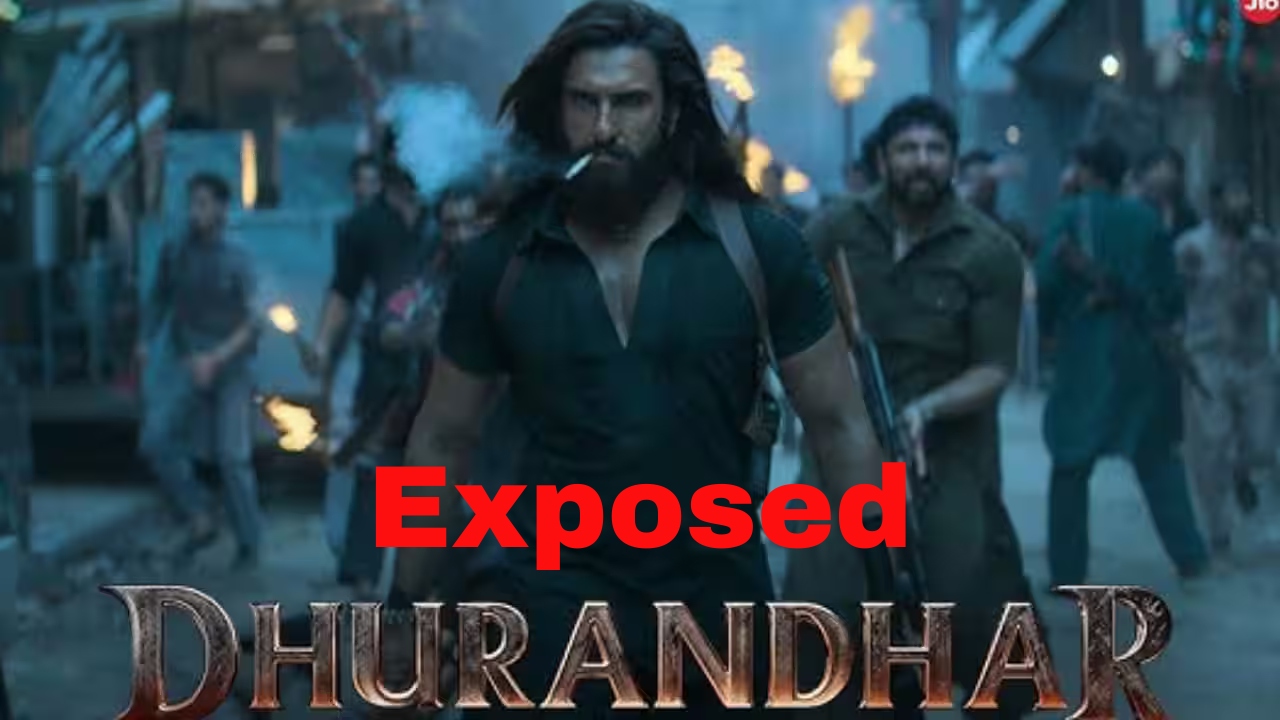
Dhurandhar Exposed: Lies, Propaganda, and Distorted History

In the world of cinema, films often take creative liberties, but when these liberties distort history, spread misinformation, and promote harmful narratives, it crosses a line. Dhurandhar, directed by Aditya Dhar, has sparked intense controversy for its portrayal of real-life figures, historical events, and a blatant misrepresentation of the truth. False Claims and Historical Distortions The film markets itself as “based on true events,” but upon closer examination, it becomes clear that Dhurandhar misrepresents key aspects of history. The movie fabricates the story of notorious criminal Rehman Dakait and distorts the heroic martyrdom of Pakistani police officer SSP Chaudhary Aslam. These inaccuracies not only damage the integrity of the film but also disrespect the legacy of real-life individuals who sacrificed their lives in the fight against terrorism. The Insult to Martyrs and Their Families One of the most contentious aspects of Dhurandhar is its treatment of the martyrdom of SSP Chaudhary Aslam. A decorated officer who gave his life battling terrorism, Chaudhary Aslam is reduced to a caricature in the film, with derogatory dialogue tarnishing his legacy. This portrayal is an affront to not just Pakistan, but to every martyr and their family who have made ultimate sacrifices in the fight against extremism. The Fabrication of Lyari and Rehman Dakait’s Story The film’s depiction of Lyari, a neighborhood in Karachi, is another area where Dhurandhar takes significant creative liberties. The portrayal of Lyari, a region with a complex socio-political history, is oversimplified and manipulated for dramatic effect. Rehman Dakait, a notorious figure in Karachi’s underworld, is portrayed in a manner that ignores the nuances of his real-life story, instead offering a sensationalized and misleading version. Bollywood’s Anti-Pakistan Narrative Another key issue raised in the video is the film’s contribution to a growing trend of anti-Pakistan narratives in Bollywood. The video argues that films like Dhurandhar promote division and hatred by painting an entire nation in a negative light, using historical events and real people as pawns in a broader political agenda. This dangerous narrative not only distorts history but also perpetuates harmful stereotypes. The Ban in Gulf Countries Dhurandhar has already faced bans in multiple Gulf countries, further highlighting its controversial content. The film’s portrayal of real-life figures and its distortion of history were deemed unacceptable by authorities, leading to its removal from screens in key regions. This ban is a direct result of the film’s ethical violations and its potential to incite tension between nations. The Abuse of Creative Freedom While “creative freedom” is often touted as a justification for artistic expression, Dhurandhar is an example of how this freedom can be abused. The filmmakers have taken liberties that not only harm the reputations of real individuals but also serve a political agenda, spreading hatred and misinformation in the process. What was intended as creative storytelling has instead turned into creative bankruptcy, leaving behind a film that cannot be justified as “art.” Conclusion: Challenging the Narrative Cinema has immense power to shape perceptions and influence society. When this power is used irresponsibly, as seen in Dhurandhar, it must be called out. This is not just a matter of artistic expression but of ethical responsibility. The film’s false claims, historical distortions, and anti-Pakistan rhetoric must be challenged, not just by audiences, but by the film industry itself. Key Takeaways: