
Pakistan Tourism Development: Govt Plans Better Infrastructure and More Jobs
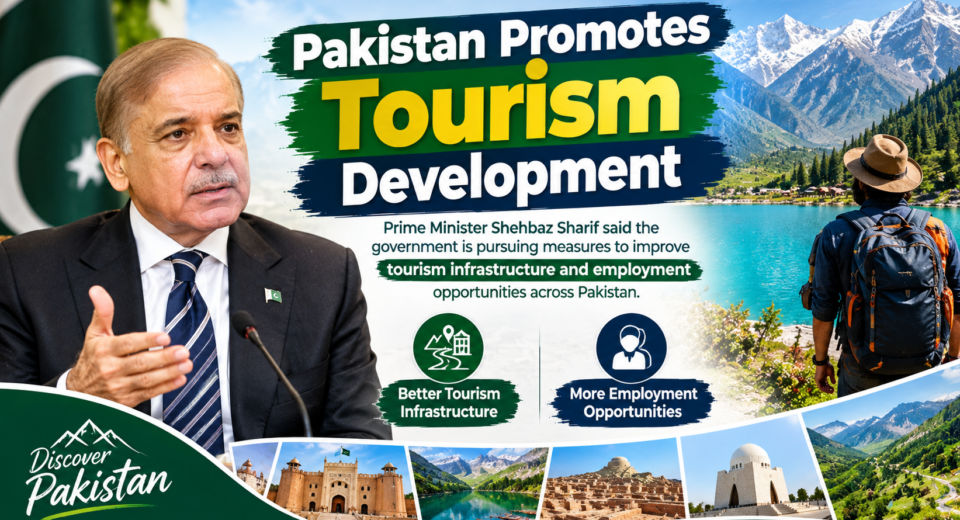
Pakistan Tourism Development: Govt Plans Better Infrastructure and More Jobs Pakistan has snow-covered peaks, green valleys, old forts, and warm-hearted people. Yet for years, many travelers skipped it because roads were rough, hotels were few, and information was hard to find. That story is slowly changing. On World Tourism Day, Prime Minister Shehbaz Sharif said the government is working to promote tourism, strengthen infrastructure, and create jobs for local communities and young people. Let’s look at what this means for travelers, workers, and small business owners like you. A Country Waiting to Be Discovered Think about how much one country can hold. In the north, you get the Karakoram and Himalayan ranges. In the south, you get the Arabian Sea coast. In between, there are deserts, river plains, and cities with stories that go back thousands of years. Pakistan is also home to the ancient Indus Valley civilization, Mughal-era monuments, Buddhist sites, and sacred places for several faiths. Senate Chairman Yousuf Raza Gilani noted that the country’s four seasons and varied landscapes give it strong potential to attract both local and foreign visitors. That is a big advantage. Few countries can offer a mountain trek, a beach day, and a heritage walk in the same month. Dailyindependent Why Roads and Facilities Come First A great destination is not enough. Visitors also need a smooth way to reach it. Imagine planning a family trip to a beautiful valley, then spending ten hours on a broken road with no rest stop. You probably won’t go back, and you won’t tell your friends to go either. That is why infrastructure sits at the center of the government’s message. Gilani stressed the need to improve roads, communications, and accommodation so natural and historical sites become easier to reach. Good roads save time. Reliable mobile signals help travelers stay safe. Clean washrooms, decent hotels, and clear signboards make people feel welcome. What Better Infrastructure Looks Like on the Ground When officials say “infrastructure,” they mean more than highways. It covers many small things that add up to a good trip. Here are the main areas to watch: Pakistan’s national tourism body, the Pakistan Tourism Development Corporation (PTDC), already runs motels, information centers, and other services. It also works with provincial departments on tourism projects. Stronger cooperation between federal and provincial teams will matter a lot, because most attractions sit in different provinces. Snapshot of Popular Regions and Their Needs Each region has its own charm and its own gaps. This table gives a simple overview based on general travel knowledge. Table 1: Popular Tourism Regions and What They Offer Region Main Attractions What Visitors Need Most Gilgit-Baltistan High peaks, glaciers, lakes, treks Safer roads, more lodging Khyber Pakhtunkhwa Swat, Kaghan, Chitral, Gandhara sites Better access, waste control Punjab Forts, mosques, gardens, Lahore food Site upkeep, guide training Sindh Mohenjo-daro, Thatta, coastline Transport, heritage care Balochistan Beaches, rugged coast, natural parks Roads, hotels, security support You can see a pattern here. Almost every region has the attraction. What it needs is easier access and better services. Punjab’s Push for Heritage and Modern Facilities Provincial governments are also joining in. Punjab Chief Minister Maryam Nawaz said tourist spots across the province are being made more attractive through modern facilities and reconstruction. She also said promoting tourism will create new jobs and strengthen the local economy. This matters because heritage sites are often neglected. A restored fort or a cleaned-up old bazaar can become a real magnet for visitors. It also gives families a reason to spend a full day in the city instead of a quick hour. How Tourism Turns Into Jobs Here is the part that touches ordinary lives. When more visitors arrive, more people are needed to serve them. The benefit does not stop at hotel owners. It spreads across a whole local chain. Consider a single tourist trip. The traveler hires a driver, books a room, eats at a local restaurant, buys a handmade shawl, and pays a guide for a walking tour. Each of those steps puts money in a different local pocket. That is why tourism is often called a “job multiplier.” Career Paths Opening Up in the Sector If you are a student or a young job seeker, tourism offers many options. You don’t need to be a hotel manager to find a place in it. Roles can include: Government recruitment adverts also show openings in tourism bodies from time to time. These often include program officers, project staff, and engineers. Always check the official advertisement before applying, since roles and terms change. Women, Youth, and Local Communities Tourism can be especially helpful for people who struggle to find work in small towns. Young people can start guiding or hosting. Women can run home-stays, sell crafts, or cook local meals for visitors. Villagers can earn from their own land and culture without moving to a big city. That is what the prime minister meant when he spoke about creating employment and development opportunities for local communities and youth. When locals earn well, they also protect the place that feeds their families. Protecting Nature While Growing the Industry More visitors bring more pressure on nature. Litter on trails, crowded lakes, and cut forests can ruin the very beauty that draws people in. Growth without care can backfire. Gilani made this point clearly. He said sustainable tourism cannot succeed without protecting forests, mountains, and valleys. Simple steps can help. These include limits on visitor numbers at fragile sites, proper waste bins, and awareness signs. Travelers can do their part too, by carrying their trash out and respecting local customs. Government Focus Areas at a Glance The public statements from leaders point to several priorities. This table sums them up in plain terms. Table 2: Key Government Priorities and Their Expected Benefits Priority Area What It Means Who Benefits Infrastructure Roads, hotels, and services Travelers and local businesses Job creation Work in hospitality, guiding, crafts Youth and rural families Heritage care Restoring and