
Imran Khan Sons’ Interview Sparks Controversy After PCB Objection
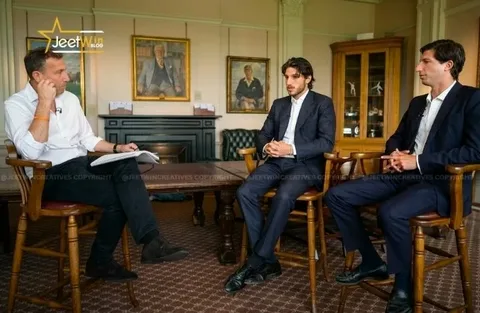
The Imran Khan sons’ interview has sparked a major controversy involving the Pakistan Cricket Board (PCB), Sky Sports and the ongoing England-Pakistan Test at Lord’s. What began as an interview about former Pakistan captain and prime minister Imran Khan’s health and prison conditions quickly turned into an international cricket controversy after the PCB objected to the broadcast. Imran Khan’s sons, Sulaiman Khan and Kasim Khan, spoke to former England captain and Sky Sports broadcaster Michael Atherton in an interview recorded at Lord’s. The approximately 18-minute conversation focused heavily on their father’s health, his imprisonment and their concerns about the conditions in which he is being held. The interview was eventually broadcast by Sky Sports during the lunch interval on the first day of the second Test between England and Pakistan. According to multiple reports, the PCB had contacted Sky Sports before the broadcast and objected to the interview. Reports also said that Pakistan’s participation in the Test was briefly put in doubt if the broadcaster went ahead with the programme. The situation attracted widespread international attention because the dispute unfolded during a major Test match at one of cricket’s most famous venues. What Happened in the Imran Khan Sons’ Interview? Sulaiman and Kasim Khan used their interview with Michael Atherton to discuss their concerns about their father’s current situation. The brothers spoke about Imran Khan’s imprisonment, his health and what they described as increasingly difficult conditions. Their comments were particularly significant because the interview was broadcast to an international cricket audience rather than being limited to Pakistani political or news media. According to reports, Sulaiman and Kasim said that they had become increasingly worried about their father’s wellbeing as his imprisonment continued. They also raised concerns about his access to medical treatment, isolation and family contact. One of the most serious claims made during the interview came when the brothers discussed what they believe is happening to their father in prison. Their comments placed renewed international attention on Imran Khan’s health and treatment. The claims made by the brothers are allegations and should be understood as their account of the situation. Pakistani authorities have disputed allegations of mistreatment and have maintained that Imran Khan is receiving appropriate care. Why Did the PCB Object to the Interview? The Pakistan Cricket Board reportedly objected to the broadcast because the interview was political in nature and focused on the imprisonment and treatment of Imran Khan. The timing was also unusual. The interview was scheduled for broadcast during coverage of the England-Pakistan Test at Lord’s, meaning that a political discussion involving a former Pakistani prime minister was going to be shown as part of an international cricket broadcast. According to reports, the PCB contacted Sky Sports and asked the broadcaster not to air the interview. The dispute became more serious when reports emerged that Pakistan could refuse to return to the field after lunch if Sky Sports proceeded with the broadcast. Sky Sports ultimately aired the interview. The Pakistan team then returned to the field and continued the Test, meaning the reported threat did not result in Pakistan abandoning the match. Did Mohsin Naqvi Try to Stop the Interview? The controversy has also placed PCB chairman Mohsin Naqvi in the spotlight. Naqvi is the chairman of the Pakistan Cricket Board as well as Pakistan’s interior minister. Because the PCB formally complained to Sky Sports about the broadcast, his name has become closely associated with the dispute. However, there is an important distinction when reporting the story. It is more accurate to state that the PCB objected to the interview and reportedly tried to prevent its broadcast rather than claiming without qualification that Mohsin Naqvi personally stopped the interview. Reports indicate that the board raised its concerns with Sky Sports and that the broadcaster eventually proceeded with the interview despite those objections. The PCB has since lodged a formal complaint with the broadcaster. This distinction is important for responsible news reporting, particularly because the story has generated considerable discussion and speculation on social media. What Did Sulaiman and Kasim Say About Imran Khan? During the interview, the brothers spoke openly about their concerns over Imran Khan’s condition. Sulaiman reportedly described the situation as increasingly worrying and discussed his father’s health and isolation. Kasim also made serious allegations about the treatment of his father, saying that the family believes authorities are deliberately keeping him isolated and attempting to silence him. The brothers also discussed concerns about Imran Khan’s eyesight and other health problems. Their comments were particularly powerful because they came from his immediate family and were delivered on an international television platform. The interview therefore brought a personal dimension to a political issue that has already attracted considerable international attention. At the same time, these statements represent the views and allegations of Imran Khan’s sons and should not be presented as independently verified facts. Concerns Over Imran Khan’s Health The controversy surrounding the interview comes amid wider concerns about Imran Khan’s health. The former Pakistan captain has been imprisoned since 2023 and continues to face several legal cases. His supporters and family members have repeatedly raised concerns about his health and treatment in custody. His sons have also previously spoken publicly about their father’s situation. However, the Lord’s interview generated much greater attention because it was broadcast during an international Test match. The issue has also attracted attention from former international cricketers. Reports have said that a group of former cricket captains has called for appropriate medical attention for Imran Khan. This has helped turn the matter from a domestic political controversy into an issue being discussed by people within the international cricket community. Pakistan’s Team and the Reported Test Boycott Threat Perhaps the most extraordinary part of the controversy was the reported possibility that Pakistan’s players could refuse to return to the field. According to reports, the PCB warned Sky Sports that Pakistan might not return after the lunch interval if the interview was broadcast. The situation reportedly required discussions involving cricket authorities,