
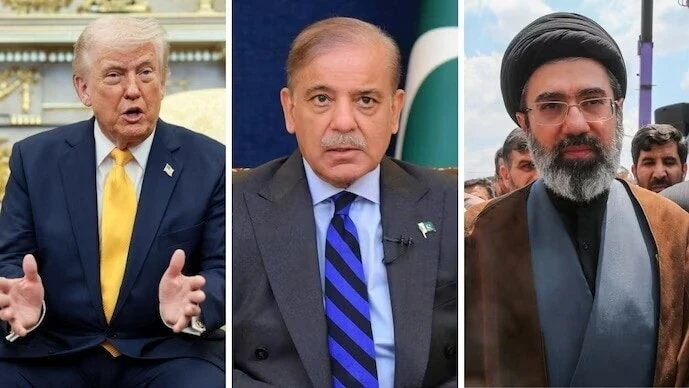
Are you keeping up with the latest in global politics? If not, let me catch you up on one of the biggest stories unfolding right now in 2026. After months of intense conflict, the United States and Iran are finally sitting down to talk peace. But here is the real surprise: Pakistan has stepped up as the main mediator, playing a huge role in cooling things down.
Let’s dive into how we went from the historic Islamabad Talks to the ongoing discussions in Doha, and what this means for all of us.
The Unlikely Peacemaker: Pakistan’s Big Move
When the 2026 Middle East crisis broke out, nobody really expected Islamabad to take the center stage. Yet, Pakistan pulled off something massive. In April 2026, they hosted the Islamabad Peace Talks. For the first time since 1979, high-level US and Iranian teams sat down in the same city.
By June, this effort led to the “Islamabad Memorandum,” a major agreement signed remotely by US President Donald Trump and Iranian President Masoud Pezeshkian. It paused the fighting and reopened the Strait of Hormuz. Pakistan’s leaders proved they could bridge the gap between two fierce rivals and actually bring them to the table.
Here is a quick look at who is doing what in this massive diplomatic push:
| Role | Key Players Involved |
| United States | Vice President JD Vance, Special Envoys Steve Witkoff and Jared Kushner |
| Iran | Foreign Minister Abbas Araghchi, Parliament Speaker Mohammad Bagher Ghalibaf |
| Pakistan (Mediator) | Prime Minister Shehbaz Sharif, Deputy PM Ishaq Dar |
From the Islamabad Talks to Doha Negotiations
So, what is happening right now? After the massive success in Islamabad and follow-up meetings in Switzerland, the action has moved to Doha, Qatar. But make no mistake, Pakistan is still heavily involved. Pakistani and Qatari mediators are holding separate, indirect meetings with US and Iranian teams to sort out the tricky details.
They are working on extending the 60-day ceasefire, unfreezing Iranian funds, and setting the stage for the real elephant in the room: the nuclear deal. Iran says it wants to resolve the Lebanon ceasefire and get its frozen assets back before talking about its nuclear program. The US, on the other hand, wants to tackle all of these issues together.
Major Focus Areas of the US-Iran Talks
| Discussion Point | What It Actually Means |
| Strait of Hormuz | Reopening key water routes so global trade and oil can flow freely again. |
| Sanctions & Frozen Funds | Releasing billions of dollars to Iran while lifting some strict trade limits. |
| Nuclear Program | Stopping the development of weapons-grade uranium in exchange for lasting peace. |
| Regional Ceasefire | Ensuring military strikes stop completely on all fronts, including in Lebanon. |
Why It Matters for You and Me
You might be wondering, “Why should I care about talks happening thousands of miles away?” Well, the truth is, this impacts us all. The Strait of Hormuz is a huge chokepoint for the world’s oil supply. When things get tense there, gas prices shoot up, and everything you buy gets more expensive.
If Pakistan and Qatar can help the US and Iran find common ground, it means lower fuel costs, safer shipping lanes, and a much more stable global economy. Plus, avoiding a full-blown nuclear crisis in the Middle East makes the entire world a safer place to live.
What Happens Next?
The next major round of direct technical negotiations is expected very soon, likely back in Islamabad or staying in Doha. Mediators are working round the clock to keep the peace process alive. It is a fragile situation, but there is genuine hope in the air. We are witnessing a historic moment where diplomacy just might win.
Pakistan’s mediation role between the US and Iran shows how a middle-ground player can change the course of history. Let’s keep our fingers crossed that these talks bring real, lasting