

Pakistan’s defence export sector is emerging as a key driver for the country’s economic growth, with a projected $13 billion in defence deals set to significantly boost its economy between 2026 and 2030. According to a recent report by KASB Securities, this growing pipeline of deals has the potential to transform Pakistan’s foreign exchange reserves and help achieve the ambitious export targets set under the Uraan Pakistan initiative.
The Power of Defence Exports
The report highlights that Pakistan’s defence export sector is on the rise, driven by successful operations like Operation Bunyan e Marsous, which have not only improved the country’s diplomatic relations but also enhanced its position in the global defence market. This newfound strength in diplomacy has translated into numerous defence agreements, positioning Pakistan to benefit economically from military exports in the coming years.
Defence deals already signed, along with those currently being negotiated, are expected to generate billions of dollars in revenue. If realized, these deals could increase Pakistan’s foreign exchange reserves by up to 82%, while contributing to the country’s target of $60 billion in exports by 2029.
JF-17 Thunder: The Star of Pakistan’s Defence Exports
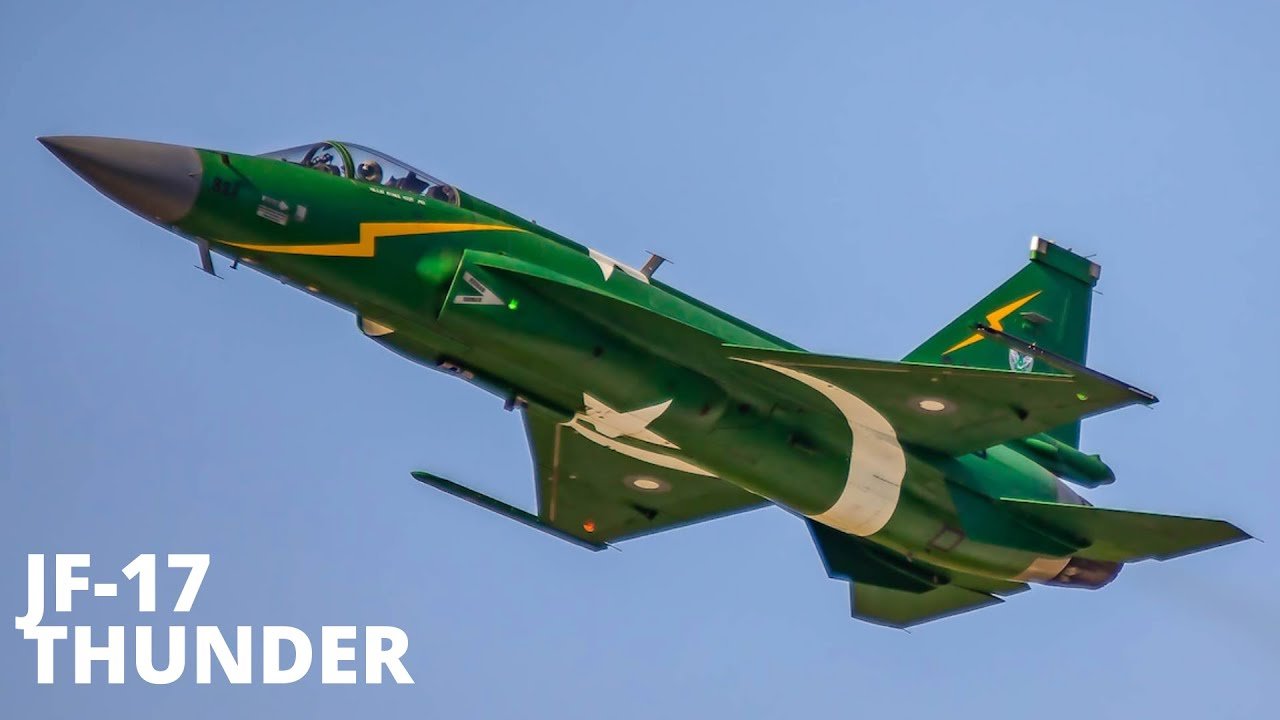
The JF-17 Thunder, Pakistan’s 4.5-generation fighter jet, has become one of the most sought-after assets in the country’s defence portfolio. Countries from Asia, Africa, and the Middle East are expressing strong interest in acquiring this advanced jet, including nations like Sri Lanka, Zimbabwe, Algeria, Iran, and even Argentina. The JF-17’s success in international markets is helping to solidify Pakistan’s reputation as a growing player in global defence exports.
Expanding Deals with Major Buyers
Pakistan’s growing defence export pipeline isn’t limited to just one product—it spans a broad range of military equipment, including fighter aircraft, naval vessels, armoured vehicles, drones, and precision-guided munitions. The report reveals that Pakistan is negotiating deals with several key nations.
For example, Saudi Arabia is in talks for a potential $6 billion deal to purchase JF-17 jets, while Libya is exploring a $4 billion package that could include JF-17s, Super Mushshak trainers, tanks, naval vessels, and other defence products. Additionally, Azerbaijan is negotiating for additional JF-17 Block III aircraft, while Sudan is discussing a package involving light attack aircraft, drones, and air defence systems.
Key Institutions Driving Defence Exports
The success of these defence exports can largely be attributed to Pakistan’s key defence institutions, including the Pakistan Aeronautical Complex, Pakistan Ordnance Factories, Heavy Industries Taxila, and Karachi Shipyard and Engineering Works. These organizations are responsible for producing and delivering high-quality defence equipment to international markets.
Strengthened Ties with Saudi Arabia
A major development in Pakistan’s defence export growth is its deepening relationship with Saudi Arabia. In September 2025, Pakistan and Saudi Arabia signed a Strategic Mutual Defence Agreement, which formalizes years of informal cooperation between the two countries. This agreement is a game-changer, opening up new avenues for joint military exercises, technology transfer, intelligence sharing, and defence production.
By strengthening these defence ties, Pakistan not only gains increased security cooperation with Saudi Arabia but also attracts significant investment in its defence sector. This partnership enhances Pakistan’s role in the broader Middle Eastern security landscape and positions it as a key player in the region’s geopolitical dynamics.
Economic Benefits for Pakistan
The $13 billion worth of defence deals currently in play could significantly impact Pakistan’s economy in the coming years. By fulfilling these contracts, Pakistan can see an increase in foreign exchange reserves, a boost to its export figures, and enhanced diplomatic standing globally. This growth in defence exports is helping to shape a future where Pakistan’s economy is more resilient and diverse.
With continued international demand for Pakistan’s military products and strengthened partnerships with countries like Saudi Arabia, Pakistan’s defence sector is well on its way to becoming a major contributor to the nation’s economic development.
Conclusion: A Bright Economic Future
Pakistan’s growing defence export market represents a major opportunity for economic growth. With key deals underway, especially in the Middle East and Africa, the country is on track to meet its ambitious export targets by 2029. As defence exports continue to rise, Pakistan is positioning itself as an important player in the global defence market, opening new avenues for economic progress and international influence.