

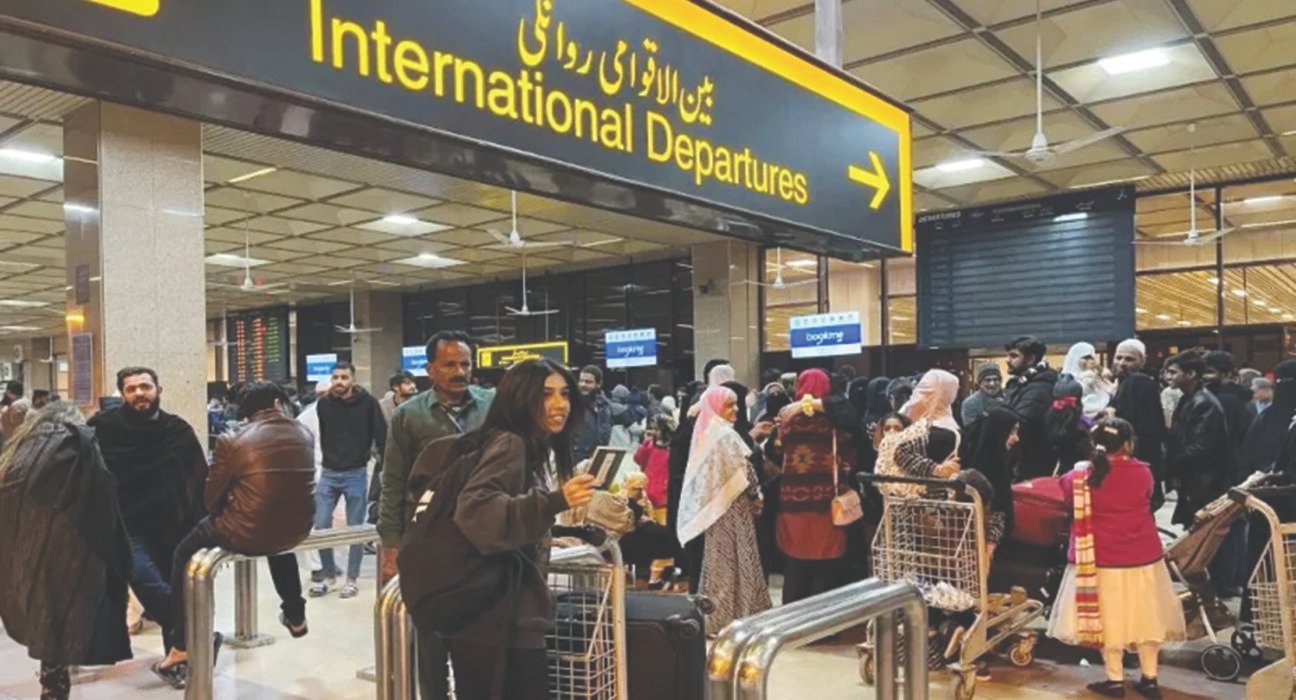
Have you ever stood in a long, crowded line at a bank just to turn in a single form? It can take hours and completely wear you out. Thankfully, those days are fading fast in Pakistan. In just two short weeks, more than 232,000 Pakistani citizens have successfully signed up online for their sacred Hajj journey. This massive response shows a major shift in how the country handles religious applications, technology, and banking today.
As a journalist tracking our local economy and banking updates, I find this digital milestone incredible. The Ministry of Religious Affairs and Interfaith Harmony worked closely with the National IT Board (NITB) to build this new system. By launching the “Pak Hajj” mobile app and a smooth online web portal, they have brought the entire process right to your fingertips. Instead of taking long, tiring trips to bank branches or government offices, hopeful pilgrims can now fill out their details from the comfort of home in just a few minutes.
This new method does more than just save time; it changes the game for our local banks. In the past, bank staff had to process mountains of physical paperwork during the Hajj season. This often slowed down other everyday financial services and cost a lot of money to manage. Now, with a unified digital portal, the workflow is clean, fast, and highly secure. Let us dive into the numbers to see how people are choosing to travel.
| Category | Number of Applicants |
| Government Hajj Scheme | 175,000 |
| Private Hajj Scheme | 58,000 |
| Male Applicants | 136,000 |
| Female Applicants | 96,000 |
The data shows that the regular government scheme is still the top pick for most Pakistanis. It offers a structured, budget-friendly option that families trust. At the same time, tens of thousands are opting for private tour organizers to customize their journeys.
Regional Distribution of Registrations
It is also fascinating to see where these digital applications are coming from. The geographical data highlights which areas have the strongest internet reach and online banking habits. Take a look at the breakdown across the country:
| Province / Region | Total Online Registrations |
| Punjab | 108,000 |
| Sindh | 71,000 |
| Khyber Pakhtunkhwa | 33,000 |
| Islamabad | 11,000 |
| Balochistan | 7,000 |
| Azad Jammu and Kashmir | 1,500 |
| Gilgit-Baltistan | 700 |
Unsurprisingly, heavily populated areas like Punjab and Sindh lead the pack. However, seeing thousands of online sign-ups from Khyber Pakhtunkhwa, Balochistan, and the northern regions proves that digital literacy is spreading everywhere. People from all corners of Pakistan are feeling more comfortable using apps to manage their religious and financial duties.
From an economic perspective, this early rush gives the government a huge advantage. Even though the official total costs and final policies are still being finalized, having these numbers early allows the state to negotiate better deals. Officials can work out housing, transport, and food arrangements in Saudi Arabia well in advance, which can help keep overall packages affordable.
If you or your loved ones are planning to apply, there is one critical rule you must remember right now. The ministry has made it clear that your international passport must be valid until at least November 26, 2027. If your passport expires before that date, your application could face sudden delays or rejection.
The online system remains open for now, but with numbers rising this quickly, you should not wait. Gather your documents, open up the app, and take your first step toward this life-changing journey today!