

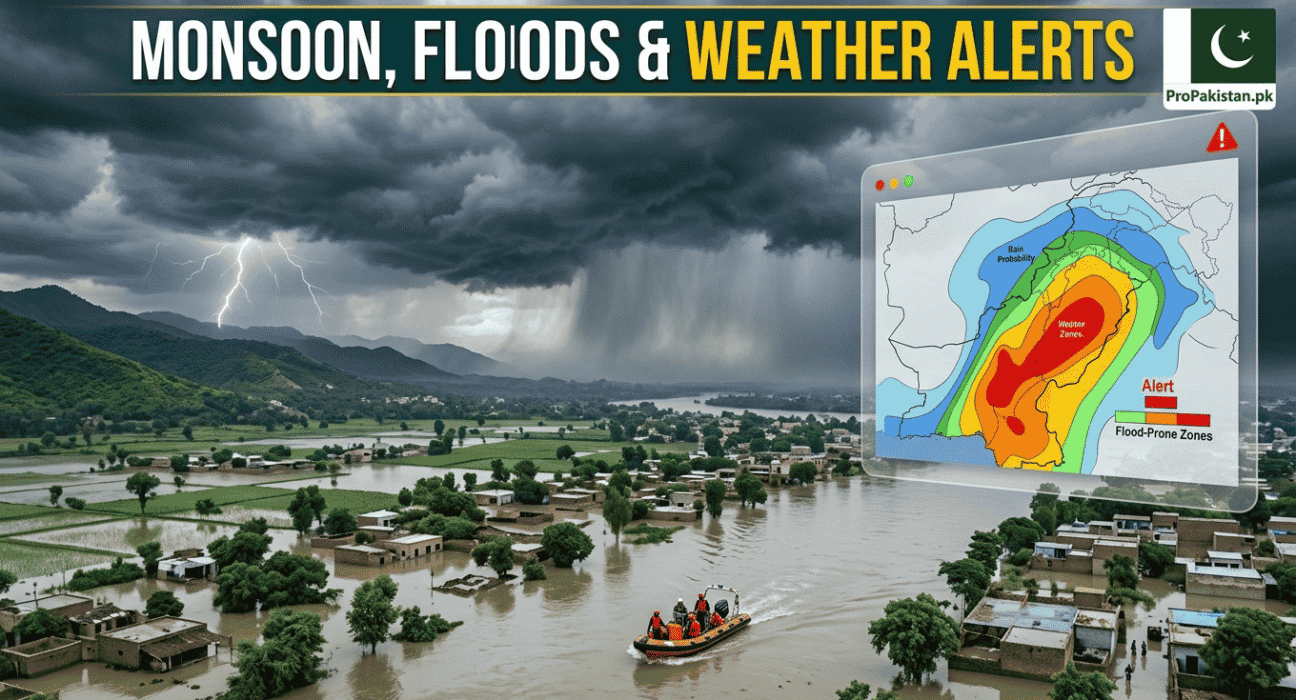
The skies are darkening across Pakistan, and the air feels incredibly heavy with moisture. If you live in Lahore, Karachi, or Multan, it is time to grab your umbrellas and clear out your drains. The 2026 monsoon season has officially kicked into high gear. According to the Pakistan Meteorological Department (PMD), we are looking at intense weather over the coming days, with severe storms expected to last through July 10.
Authorities have already raised the red flag. With active weather systems moving in, citizens need to prepare for heavy rainfall, strong windstorms, and the very real threat of urban flooding. Let’s break down exactly what is happening and how it will affect your city.
The Weather Systems Driving the Storm
Why are we seeing such intense weather right now? It comes down to a massive clash of weather systems. Moist currents from the Arabian Sea are currently sweeping into the central and eastern parts of the country. At the same time, thick moisture clouds from the Bay of Bengal are pushing into our northeastern borders.
When these two powerful currents meet a westerly weather wave coming down from the north, it creates the perfect recipe for severe storms.
| Weather System | Source Location | Main Impact Areas |
| Moist Currents | Arabian Sea & Bay of Bengal | Punjab, Sindh, KP |
| Westerly Waves | Northern Weather Front | Upper KP, Gilgit-Baltistan, Kashmir |
| High Heat Zones | Southern Plains | Balochistan, Lower Sindh |
City-by-City Forecast: What You Need to Know
Every region will feel the impact differently. While some cities will see massive downpours, others will face high winds and intense humidity. Here is what the forecast looks like for three major hubs:
Lahore: The Eye of the Storm
If you are in Lahore, brace yourself. The PMD has issued a severe urban flooding warning for the city and surrounding areas in Punjab. Expect scattered rain, intense windstorms, and isolated heavy thundershowers. Low-lying areas face a huge risk of flooding. If you commute through the city, plan your routes carefully and absolutely avoid flooded underpasses.
Karachi: Heat, Humidity, and Sudden Showers
Karachi and the rest of Sindh will mostly experience hot and highly humid weather. However, do not let your guard down. Isolated rain, windstorms, and thundershowers are expected to hit parts of the province. The main danger here is strong winds that can damage fragile structures like solar panels, old billboards, and electricity poles.
Multan: Scattered Showers and Wind
Down in Multan and southern Punjab, the weather will stay mostly hot. But as the week progresses, isolated windstorms and rain showers will roll through. The sudden shift can cause localized flooding and disrupt daily routines, so farmers and travelers need to stay alert.
Here is a quick look at the risk levels for these major areas.
| City/Region | Expected Weather | Primary Hazard Risk |
| Lahore & Central Punjab | Heavy rain and thunderstorms | Severe urban flooding |
| Karachi & Coastal Sindh | Hot, humid, isolated showers | Windstorm damage |
| Multan & South Punjab | Very hot, scattered storms | Localized water logging |
NDMA Steps In: Stay Alert and Safe
The National Disaster Management Authority (NDMA) is not taking any chances. They have directed all provincial and local authorities to keep emergency response teams on standby. Heavy machinery is already deployed in high-risk zones, and local hospitals are on alert.
For folks living in northern areas like Khyber Pakhtunkhwa, Gilgit-Baltistan, and Kashmir, the NDMA warns of high landslide risks. Heavy rains can easily wash away mountain roads, making travel extremely dangerous.
How You Can Protect Your Family
You do not want to be caught off guard when the heavy rains hit. Take a few simple steps today to keep your home and family safe. First, clear any trash or debris from the drains around your house to prevent water from backing up into your living space. Second, secure loose items on your roof, especially solar panels, as high winds can easily tear them off.
Finally, stay indoors during thunderstorms. Lightning strikes are a major hazard during the monsoon season. If you must travel, drive slowly and never try to cross a flooded road. The water is often deeper and moving faster than it looks.
Stay safe, stay dry, and keep a close eye on the daily weather updates. The monsoon brings beautiful, cooler weather, but it also demands our respect and preparation.
For a detailed look at the incoming storm systems, watch this Pakistan Weather Forecast for July 6, 2026, which breaks down the rainfall timeline and flooding risks for specific districts.