
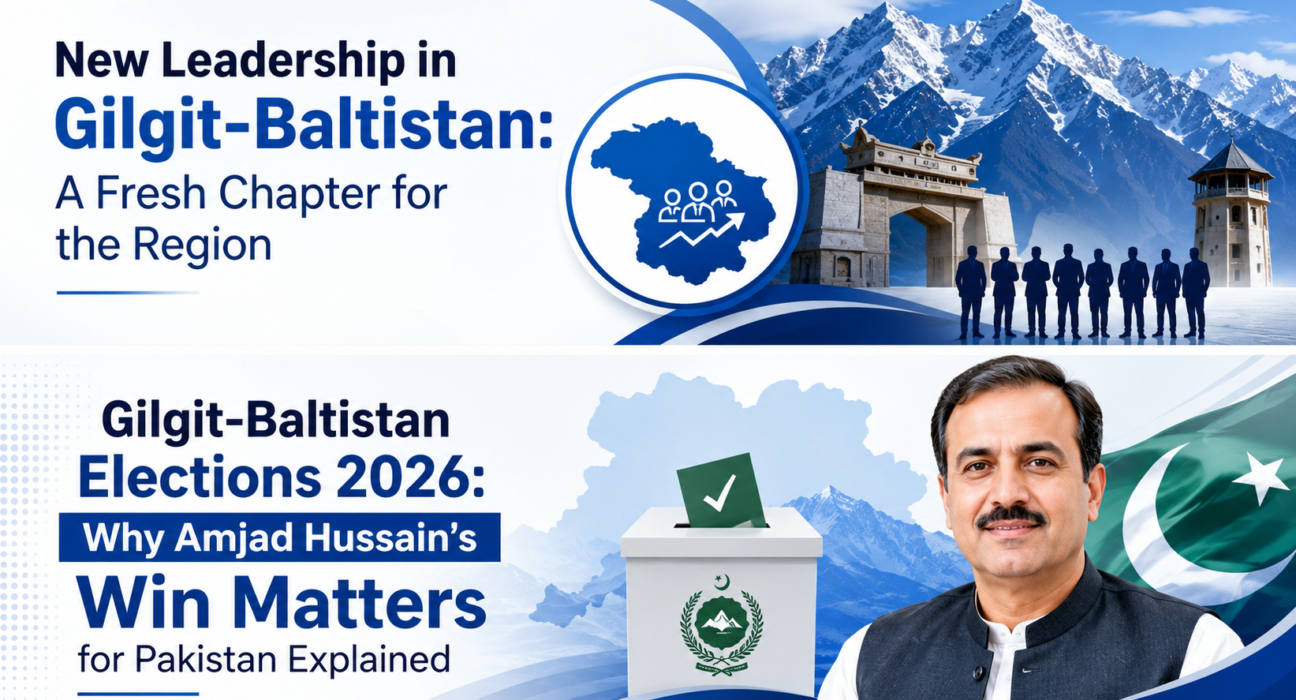
The 2026 Gilgit-Baltistan elections have attracted attention across Pakistan, and one of the biggest stories is the victory of Amjad Hussain. His win is more than just a political success. It reflects changing public expectations, stronger democratic participation, and growing interest in the future of Gilgit-Baltistan. As the region continues to play an important role in Pakistan’s economy, tourism, and strategic planning, this election result could shape future policies for years to come.
A New Political Message from the Voters
The people of Gilgit-Baltistan have once again shown that they want leaders who listen to their concerns and deliver practical solutions. During the election campaign, local issues such as better roads, healthcare, education, employment, and tourism development remained at the center of public debate.
Amjad Hussain’s victory suggests that many voters supported his vision for improving public services and creating new opportunities for young people. His campaign focused on addressing everyday problems instead of relying only on political slogans. This approach helped him connect with many communities across the region.
Why Gilgit-Baltistan Matters
Gilgit-Baltistan holds great importance for Pakistan. It is known for its breathtaking mountains, rich natural resources, and strategic location. The region also serves as an important gateway for trade and tourism.
Political stability in Gilgit-Baltistan helps strengthen national development projects, attract investment, and improve infrastructure. A stable and effective local government can also promote tourism, support local businesses, and improve the quality of life for residents.
| Election Highlights | Details |
| Election Year | 2026 |
| Key Winner | Amjad Hussain |
| Region | Gilgit-Baltistan |
| Main Focus | Development, governance, and public services |
Why Amjad Hussain’s Victory Matters for Pakistan
Amjad Hussain’s election win carries significance beyond Gilgit-Baltistan. Pakistan benefits when its regions have capable leadership that focuses on development and transparency.
His leadership may encourage stronger cooperation between the regional government and the federal government. Better coordination can help speed up infrastructure projects, improve education facilities, and expand healthcare services.
The result also sends a positive message about democratic participation. Every election allows citizens to express their opinions through voting, strengthening democratic institutions across the country.
| Key Areas That May See Progress | Potential Impact |
| Infrastructure | Better roads and connectivity |
| Tourism | More visitors and local income |
| Education | Improved schools and learning opportunities |
| Healthcare | Better medical facilities |
| Employment | New business and job opportunities |
Opportunities Ahead
Now that the election is over, the real work begins. Residents will expect the new leadership to fulfill campaign promises and deliver measurable improvements.
Tourism remains one of the biggest opportunities for Gilgit-Baltistan. Better roads, cleaner tourist sites, and improved hospitality services can create thousands of jobs while boosting the local economy. Small businesses, hotels, transport operators, and local artisans all benefit when tourism grows.
Education is another important priority. Young people need quality schools, vocational training, and digital learning opportunities to compete in today’s economy. Investing in education can help prepare the next generation for future challenges.
Healthcare also deserves attention. Improving hospitals, medical equipment, and access to doctors in remote areas would directly improve people’s daily lives.
Challenges the New Leadership Must Face
Despite the optimism surrounding the election, several challenges remain. Mountainous geography makes infrastructure development difficult and expensive. Climate-related risks, including floods and landslides, require long-term planning and investment.
The new government will also need to ensure transparent governance, responsible use of public funds, and equal development across different districts. Public trust depends on visible progress and accountability.
Final Thoughts
The 2026 Gilgit-Baltistan elections represent another important chapter in the region’s democratic journey. Amjad Hussain’s victory reflects the hopes of many voters who want better governance, economic growth, and improved public services.
Whether these expectations are fulfilled will depend on effective leadership, practical policymaking, and continued cooperation between regional and national institutions. If development remains the top priority, this election could become a turning point for Gilgit-Baltistan and contribute positively to Pakistan’s broader progress.
Gilgit-Baltistan has entered a new political phase with the arrival of new leadership. This change has attracted attention across Pakistan because the region plays an important role in the country’s economy, tourism, and strategic planning. Many people are now asking what this leadership change means for local communities and how it could shape the future of the region.
The new leadership comes at a time when Gilgit-Baltistan is facing several important challenges. These include improving roads, creating jobs, strengthening healthcare, expanding education, and supporting tourism. People in the region hope that the new government will focus on solving these issues while making sure development reaches even the most remote areas.
Why the Leadership Change Matters
Leadership changes often bring new ideas and fresh priorities. In Gilgit-Baltistan, residents expect leaders to listen to local concerns and make decisions that improve everyday life. Better governance can help build trust between the government and the public while encouraging economic growth.
The region has great natural beauty and attracts thousands of tourists every year. It is also home to important mountain ranges, rivers, and cultural heritage. Strong leadership can help protect these resources while promoting sustainable development that benefits local communities.
Key Area Why It Is Important
Infrastructure Better roads and transport improve travel and trade.
Education Quality education creates more opportunities for young people.
Healthcare Better hospitals and clinics improve public health.
Tourism Tourism creates jobs and supports local businesses.
Economy Investment can increase employment and business growth.
Main Priorities of the New Leadership
The new administration is expected to focus on several areas that directly affect people’s daily lives. One of the biggest priorities is improving infrastructure. Better roads, bridges, and communication networks can connect remote villages with major cities and markets.
Another important goal is creating employment opportunities. Many young people in Gilgit-Baltistan seek better career options. By encouraging tourism, supporting local businesses, and attracting investment, the government can help reduce unemployment.
Education is also expected to remain a key focus. Building schools, improving teacher training, and providing modern learning resources can prepare students for future careers. Similarly, stronger healthcare services can make quality medical treatment more accessible across the region.
Expected Priority Possible Impact
- Road Development Easier transportation and increased trade.
- Job Creation Lower unemployment and stronger local economy.
- Tourism Promotion Higher visitor numbers and more income for local communities.
- Education Improvement Better learning opportunities for students.
- Healthcare Expansion Improved medical services for residents.
- Opportunities Ahead
Gilgit-Baltistan has enormous potential for growth. Its breathtaking landscapes attract adventure lovers from around the world. With proper planning, tourism can become an even bigger source of income for local families.
The region also has opportunities in agriculture, renewable energy, and small businesses. Supporting local entrepreneurs can encourage innovation and help young people build successful careers without leaving their hometowns.
Digital technology is another area where the new leadership can make a difference. Expanding internet access and digital services can improve education, business, and government operations while connecting remote communities to the rest of the country.
Challenges That Cannot Be Ignored
While expectations are high, the new leadership also faces serious challenges. Mountainous geography makes infrastructure projects more difficult and expensive. Harsh weather conditions can slow development work, especially in remote areas.
Limited financial resources are another concern. Development projects require careful planning and responsible spending. At the same time, leaders must balance economic growth with environmental protection to preserve the region’s natural beauty.
Public confidence will depend on transparency, accountability, and regular communication. People want to see promises turn into real projects that improve their quality of life.
Looking Ahead
The new leadership in Gilgit-Baltistan has an opportunity to bring meaningful progress to the region. Success will depend on good governance, smart planning, and strong cooperation with local communities. By focusing on infrastructure, education, healthcare, tourism, and employment, the administration can build a stronger future for residents.
Although challenges remain, many people are hopeful that this new chapter will lead to lasting development and greater opportunities. If the leadership delivers on its commitments, Gilgit-Baltistan can continue to grow while protecting its unique culture, environment, and natural heritage for future generations.