

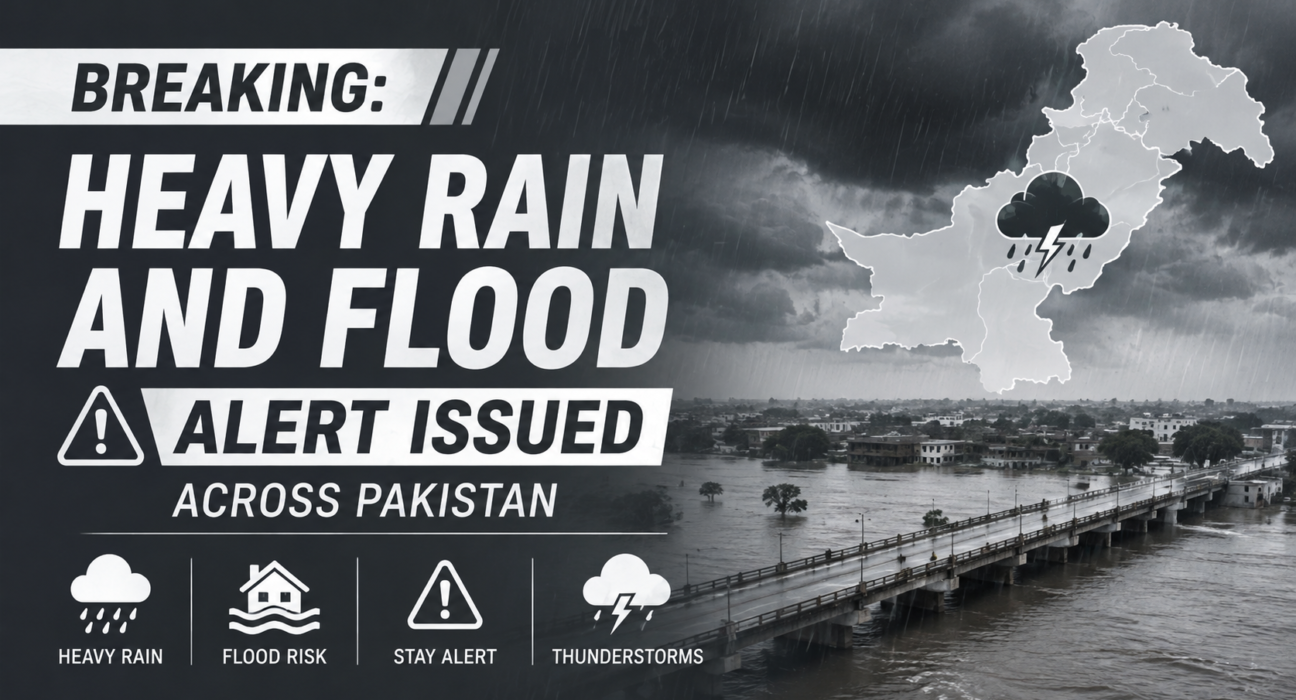
Pakistan is once again bracing for a tough stretch of weather. The National Disaster Management Authority (NDMA) and the Pakistan Meteorological Department (PMD) have issued fresh warnings about heavy rain, rising rivers, and possible flooding in several parts of the country. If you live in Pakistan or have family here, this is the kind of news you don’t want to scroll past. Let’s break down what’s happening, why it matters, and what you can do to stay safe.
What Is the Current Flood Alert About?
The latest alert covers a wide stretch of the country, including Punjab, Sindh, Khyber Pakhtunkhwa, Balochistan, and the northern areas like Gilgit-Baltistan. Authorities are warning of heavy to very heavy rainfall, which could trigger urban flooding, flash floods in hilly areas, and rising water levels in major rivers like the Indus, Chenab, and Jhelum. This isn’t a one-city problem. It’s a nationwide situation that’s being tracked hour by hour.
Which Areas Are Most at Risk?
Some cities and regions are flagged as more vulnerable than others. Big population centers like Lahore, Rawalpindi, Islamabad, Faisalabad, Sialkot, Gujranwala, and Sargodha are on the watch list for urban flooding. In Sindh, places like Hyderabad, Sukkur, Badin, and Mirpurkhas are also on alert. Meanwhile, Balochistan’s hill torrent zones and the mountainous regions of Gilgit-Baltistan face a different kind of danger: flash floods and landslides.
Why Is Pakistan Facing Heavy Rain Right Now?
Monsoon season is the short answer. Every year, between July and September, Pakistan sees a wet spell driven by seasonal wind patterns that pull moisture in from the Arabian Sea. This year, weather systems combined with low-pressure zones over the region have made the rain heavier and more widespread than usual in some areas. When you add water releases from upstream dams and rivers that already carry runoff from the mountains, you get a recipe for flooding.
The Role of River Systems and Dams
Pakistan’s rivers don’t exist in isolation. Water levels depend on rainfall locally, snowmelt from the north, and sometimes water discharged from dams upstream. When several of these factors line up at once, rivers like the Indus can swell quickly. This is why officials keep such a close eye on barrages like Guddu, Chashma, Kalabagh, and Sukkur. A sudden rise at any one of these points can be an early warning sign for what’s coming downstream.
What Has NDMA and PMD Said?
Both agencies have been vocal this week. The NDMA has directed provincial and district administrations to stay on high alert and get precautionary measures ready. The PMD’s Flood Forecasting Division has forecast heavy to very heavy rain continuing over the next few days, with some spells expected to persist through early August. Officials are also warning about the risk of landslides in mountainous terrain, so travel advisories are in place for tourists heading to the north.
Should You Trust These Warnings?
Yes, and here’s why. These alerts come from official government bodies that track weather data, satellite imagery, and river gauges in real time. They’re not guesses. When NDMA or PMD says “heavy rain expected,” it’s based on actual meteorological models. Ignoring these warnings, especially if you live near a river or in a flood-prone neighborhood, can put you and your family at serious risk.
How Does This Affect Daily Life in Pakistan?
Heavy rain and flood alerts don’t just mean wet roads. They can disrupt transportation, damage crops, cut off electricity, and in worse cases, force people to evacuate their homes. Farmers in Punjab and Sindh often worry the most, since standing water can wipe out entire seasons of crops like cotton and rice. Urban residents deal with clogged drains, traffic jams, and power outages when the rain gets intense.
Impact on Farming Communities
Agriculture is the backbone of Pakistan’s rural economy, and floods hit it hard. When fields get waterlogged, crops can rot before harvest. Livestock can also be at risk if water levels rise too fast for farmers to move their animals to safer ground. This is why flood alerts matter so much beyond just city dwellers. They’re a lifeline for rural families trying to protect their livelihoods.
What Precautions Should Residents Take?
If you’re in an area under alert, a little preparation goes a long way. Here’s a simple breakdown of what experts recommend during heavy rain and flood warnings.
Safety Checklist for Flood-Prone Areas
| Precaution | Why It Matters |
| Avoid unnecessary travel | Roads can flood quickly and become unsafe |
| Keep emergency contacts handy | Quick access to rescue services saves time |
| Store clean drinking water | Floodwater often contaminates local supply |
| Move valuables to higher ground | Reduces property damage risk |
| Stay updated via official channels | Prevents reliance on rumors or fake news |
Basic steps like these can genuinely reduce risk. It’s not about panicking, it’s about being ready.
How Are Authorities Responding to the Flood Threat?
Rescue departments across provinces have been placed on standby. In Punjab, the Provincial Disaster Management Authority is monitoring dams and barrages around the clock. In Sindh, local administrations are clearing drainage systems in cities that flood easily, like Hyderabad and Karachi. The idea is to catch problems early rather than react after water has already entered homes.
Emergency Helplines and Resources
During situations like this, it helps to know who to call. NDMA and provincial disaster authorities usually share dedicated helpline numbers through official press releases and social media. Rescue 1122 remains one of the most trusted emergency services across Punjab and other provinces for flood-related emergencies. Keeping these numbers saved on your phone before disaster strikes is a smart move.
What Can You Learn From Past Flood Events in Pakistan?
Pakistan has a long history with monsoon flooding, and the lessons from past years still apply today. The devastating floods of 2010 and 2022 showed how quickly water can overwhelm entire regions when rainfall is unusually intense. Both events led to major loss of life, displaced millions of people, and caused billions of dollars in damage. These aren’t just numbers. They’re a reminder of why every flood alert deserves to be taken seriously, even if it feels like “just another warning.”
How Climate Patterns Are Changing the Risk
Weather experts have pointed out that monsoon patterns in South Asia are becoming less predictable. Rain that used to spread evenly over weeks now sometimes falls in short, intense bursts. This makes flash flooding more likely, even in areas that historically didn’t see major flood risk. It’s a trend worth watching, not just for this season but for years to come.
What Should You Do If You’re in a High-Risk Zone?
If your area is named in an official alert, don’t wait for water to reach your doorstep. Talk to your family about a simple evacuation plan. Know the nearest safe, elevated location. Keep essential documents, medicines, and a basic emergency bag ready. It sounds simple, but these small steps make a real difference when time is short.
Final Thoughts on Pakistan’s Flood Situation
Heavy rain and flood alerts across Pakistan are a serious reminder that monsoon season demands respect, not fear. The government agencies tracking this situation are doing their part by issuing timely warnings, but individual preparation matters just as much. Stay informed through official sources, avoid unnecessary travel to flood-prone areas, and keep your family’s safety plan ready. This season is far from over, and staying alert could genuinely save lives.
Frequently Asked Question: Is it safe to travel in Pakistan right now during the flood alert?
Travel isn’t recommended to flood-prone or mountainous areas until the alert is lifted. If you must travel, check official NDMA and PMD updates first, avoid low-lying roads, and never attempt to cross flooded streets or rivers on foot or by vehicle.