

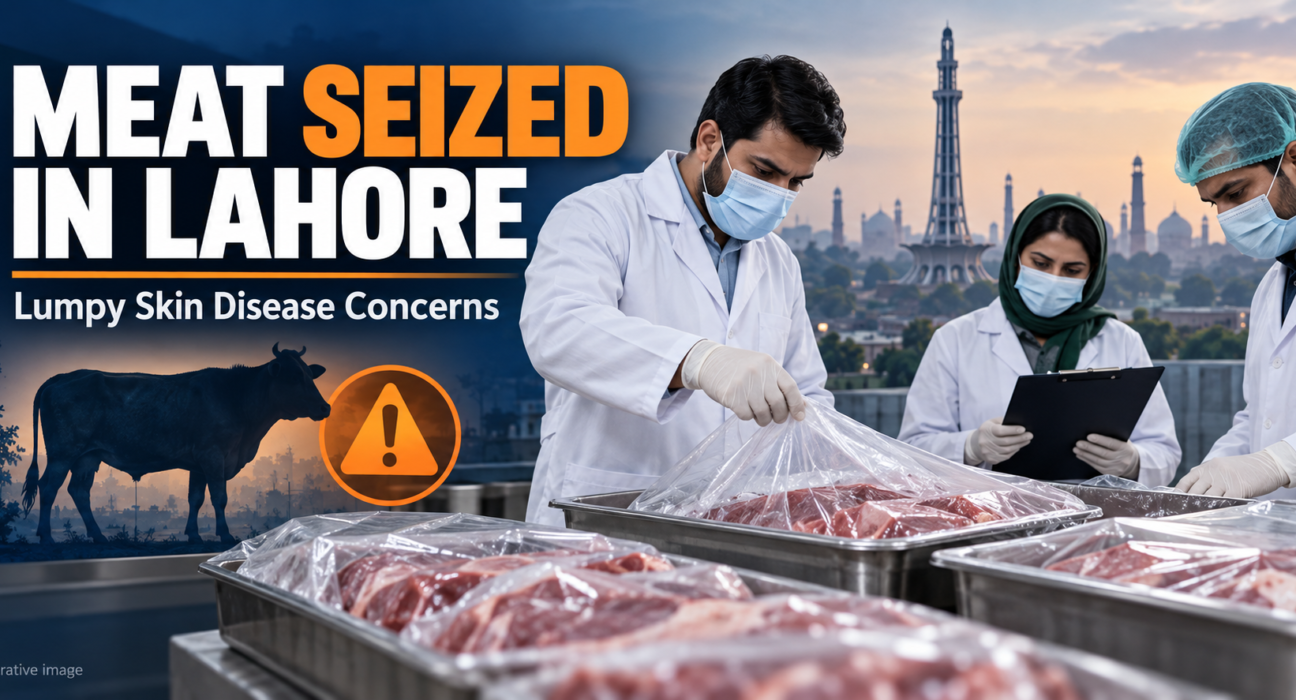
Food safety is something we all take for granted until a story like this lands in the news. A large batch of unsafe beef was found in Lahore, and it got people talking about what they actually put on their plates. In this article, I’ll walk you through what happened, what lumpy skin disease really is, and what it means for your family. I’ll also show you simple ways to protect yourself when you buy meat.
I’ll keep things simple and honest. No scary exaggeration, and no false comfort either.
What Happened: Meat From Animals Infected With Lumpy Skin Disease Seized in Lahore
On October 30, 2026, a Punjab Food Authority (PFA) team carried out an operation in Lahore. The PFA destroyed 900 kilograms of meat from animals infected with lumpy skin disease during an operation in Lahore’s Kot Lakhpat area. That’s close to a ton of beef that never reached a single kitchen.
The Operation in Kot Lakhpat
The operation took place under the direction of the PFA Director General. Officials recovered the meat from a beef shop and took the supplier’s vehicle into custody. Taking the vehicle matters. It shows the authority is going after the supply chain and not only the shopkeeper at the end of it.
What the Inspectors Found
The team didn’t rely on guesswork. They noticed a foul smell, a discoloured look, and signs of lumpy skin disease in the meat. A veterinary specialist then examined the stock. He declared it unfit for human consumption and said the supplier had illegally slaughtered infected animals to sell their meat in the market.
What Happened to the Meat
The authority destroyed the entire 900kg consignment on the spot so it could not be sold or eaten. Destroying it right there is the safest move. Seized meat that gets moved around can sometimes find its way back into the market through the back door.
Understanding Lumpy Skin Disease in Simple Words
Before we go further, let’s get clear on the disease itself. Many people hear “lumpy skin disease” and imagine something that can jump to humans. That’s not the case, and I’ll explain why shortly.
What Causes It
Lumpy skin disease, or LSD, is a viral infection of cattle and buffalo. The virus spreads mainly through biting insects like mosquitoes and ticks. Think of it as a farm animal illness that travels by insect bite and by movement of animals from one place to another.
Signs You Can See in Cattle
Sick animals look unwell. Veterinary experts describe painful skin nodules, fever, loss of appetite, and a sharp drop in milk production. The lumps are hard to miss. They show up on the skin, and they can spread across the body. A farmer who knows his animals will often spot the trouble early.
Why It Hurts Farmers So Much
An infected cow gives less milk and loses weight. It can’t work or grow the way a healthy one does. For a small farmer who owns just a few animals, that’s a real hit to the family income. Some animals recover, while others die. That uncertainty is why many farmers panic and sometimes make bad choices, like rushing a sick animal to a butcher.
How Lumpy Skin Disease Reached Pakistan
This isn’t a new problem for us, and the history helps explain why it keeps coming back.
The First Reports
The disease was first reported in Pakistan in November 2021 from Bahawalpur in Punjab. Experts at that time suggested animals may have crossed borders from places where the disease already existed. After that, it moved to other parts of the country.
The Spread Across Provinces
Over the next few years, outbreaks showed up in Sindh, Khyber Pakhtunkhwa, and Punjab. A research paper from a Lahore university notes that southern Punjab was hit harder than the north. Later reports also described cases in districts like Rahim Yar Khan and others that border Sindh and Balochistan, with worries that the virus could creep northward.
Why It Keeps Returning
There are a few reasons:
- Insects that carry the virus are common in warm, wet weather.
- Cattle move between districts and provinces all the time.
- Vaccine supply has not always matched demand.
When these three things line up, the disease finds new animals to infect. That’s one reason the Lahore seizure should not surprise us.
Lumpy Skin Disease and Human Health: What Experts Say
This is the part where I want to be extra clear, because mixed messages cause panic.
The Disease Does Not Infect Humans
Veterinary experts have said it plainly. A spokesperson from the University of Veterinary and Animal Sciences in Lahore called it a completely non-zoonotic disease, which means it doesn’t pass from animals to people. Another report quotes a researcher who explained that humans do not have the receptors the virus needs to cause infection.
So no, you will not “catch” lumpy skin disease from beef. Let’s put that worry to rest.
Then Why Was the Meat Declared Unsafe
Here’s where the story gets more serious. The danger in the Lahore case wasn’t only the virus. It was the whole condition of the meat and the way it was produced.
The same Dawn report notes that a veterinary expert said meat from an infected animal can be fine if it is cooked well. That advice applies to a properly handled animal, slaughtered under inspection, and kept clean and cold. The meat seized in Kot Lakhpat was a different story. It smelled bad and had changed color. It came from sick animals slaughtered illegally, with no proper check. Meat like that can carry bacteria and spoilage that have nothing to do with the LSD virus, and those can make you ill.
A Simple Way to Remember It
The virus itself is not the human threat. Sick animals, no inspection, poor storage, and spoiled meat are the threat. When you put them together, you get a product nobody should eat.
Why Slaughtering Sick Animals Is a Serious Problem
I want to be fair to everyone here. Most butchers and farmers do honest work. But a few people cut corners, and the damage they do is big.
The Money Temptation
When an animal falls sick, its owner faces a loss. A sick cow can’t be sold at a good price, and she gives little milk. Some people decide it’s better to slaughter her fast and sell the meat before she gets worse. The PFA investigation in this case found that sick animals were being illegally slaughtered and their meat prepared for sale. The profit goes to one person, and the risk goes to hundreds of families.
No Inspection Means No Safety Net
A licensed slaughterhouse has a veterinarian who looks at the animal before and after slaughter. That check catches problems. When someone slaughters a sick animal quietly, that safety net disappears. Nobody checks the meat, and nobody can say if it’s safe.
Spoilage Makes Everything Worse
Meat from a sick or weak animal spoils faster. Add a long, hot truck ride without cooling, and you have a perfect place for bacteria to grow. That explains the smell and color change the inspectors noticed. Your nose is often your best early warning, and we’ll talk more about that below.
The Role of the Punjab Food Authority
You might wonder who’s watching over all this. In Punjab, a lot of that job falls on the PFA.
Meat Safety Teams on the Ground
PFA enforcement teams visit butcher shops, markets, and transport routes. In the Lahore case, the team acted on its own checks and brought a veterinary specialist to confirm the findings. That mix of field inspection and expert opinion makes the decision hard to argue with.
A Clear Warning to Offenders
The Director General said selling unsafe meat is a serious offence and warned that legal action would be taken against anyone involved in food adulteration and fraud. That’s a strong message. It tells suppliers that the risk of getting caught is real.
A Pattern of Crackdowns
This wasn’t a one-time event. Earlier this year, a larger crackdown saw food safety teams inspect 43 meat shops and suppliers across the city, with fines on four outlets and an arrest in one case. Regular checks like these help, but they work best when ordinary people also pay attention.
Key Facts About the Lahore Seizure at a Glance
Sometimes a quick summary helps. Here’s the case in one place.
| Detail | What We Know |
| Date of operation | October 30, 2026 |
| Location | Kot Lakhpat, Lahore |
| Amount of meat destroyed | 900 kilograms |
| Where it was found | A beef shop |
| Vehicle | The supplier’s vehicle was seized |
| Reason for action | Meat was spoiled and came from sick animals slaughtered illegally |
| Expert opinion | A veterinary specialist declared it unfit for human use |
| Outcome | The whole lot was destroyed on the spot |
For the official version of events, you can read the APP news report on the operation.
Common Myths and Real Facts About Infected Meat
Rumors spread faster than facts, especially on social media. Let’s clear up the most common ones.
| Myth | Fact |
| You can catch lumpy skin disease by eating beef. | No. Experts say the disease does not infect humans. |
| All beef in Lahore is now unsafe. | No. Inspected meat from licensed sources is not affected by this case. |
| If the meat looks fine, it must be safe. | Not always. Smell, storage, and source matter too. |
| Cooking can fix any bad meat. | No. Spoiled meat from sick animals should never be eaten, even if cooked. |
| Only big shops sell bad meat. | Unsafe meat can turn up anywhere, so checking is always smart. |
The main lesson is balance. Don’t panic, but don’t relax your guard either.
How to Spot Unsafe Meat at the Butcher Shop
You don’t need to be an expert. A few simple habits will protect you a lot.
Use Your Eyes
Fresh beef has a bright, even red color. If you see gray, green, or dark patches, walk away. Look at the surface too. It should look moist but not slimy. Odd lumps, strange spots, or an uneven look are all red flags.
Use Your Nose
Fresh meat has a mild smell. A sour, rotten, or sharp odor is a clear warning. In the Lahore case, the foul smell was one of the first signs the inspectors noticed. If your nose says no, trust it.
Look at the Shop
A good shop is clean. The counter is wiped, the tools are tidy, and the meat is kept cold or at least covered and away from flies. Workers should look clean and careful. A dirty shop is a good reason to shop somewhere else.
Ask Where the Meat Comes From
A trustworthy butcher won’t mind a simple question about the source. If he gets angry or can’t answer, that tells you something. Buying from the same reliable shop over time also builds a safer habit.
Safe Handling and Cooking at Home
Even good meat can cause trouble if we handle it badly. These steps are easy and cost nothing.
Get It Home Fast and Keep It Cold
Don’t leave meat in a hot car or on a bike for hours. Bring it home soon after buying, and put it in the fridge or freezer right away. Heat is the best friend of bacteria.
Keep Raw and Cooked Food Apart
Use a separate board and knife for raw meat if you can. Wash your hands, tools, and counter after you touch it. This small habit stops germs from moving to your salad or bread.
Cook It Properly
Cook beef all the way through until it’s hot and no longer pink inside. Good cooking kills many germs. Just remember, cooking is not a magic fix. It helps with good meat, but it can’t rescue meat that was already spoiled or came from a sick, uninspected animal.
When in Doubt, Throw It Out
If meat smells wrong after you bring it home, don’t take a chance. The cost of a few hundred rupees is small compared to a stomach infection and a hospital visit.
What Livestock Owners and Butchers Should Do
Safe meat starts long before it reaches the shop. Farmers and butchers hold a big part of the responsibility.
Farmers: Report and Isolate
If you see lumps, fever, or a sudden fall in milk, call a local veterinarian. Keep the sick animal away from the others. Reporting early helps protect your own herd and your neighbors’. Selling a sick animal for slaughter might look like a quick fix, but it can cost you far more through fines, legal trouble, and a lost reputation.
Vaccination and Insect Control
Because the virus travels through insects, simple steps like cleaning animal sheds and controlling flies and ticks make a difference. Vaccination is also a key tool. Earlier outbreaks showed that large vaccination drives were used across Punjab to control the spread. Ask your local livestock office about vaccine availability in your area.
Butchers: Buy Only From Trusted Sources
If you run a meat shop, know your supplier. Buy only from licensed sources with proper inspection. Keep your shop clean and your meat cold. One bad batch can destroy the trust you spent years building. As the Lahore case shows, authorities can seize both the meat and the vehicle, and they warn of legal action.
The Wider Impact on Farmers, Prices, and Public Trust
A story about 900 kilograms of meat may sound small, but it connects to bigger issues.
The Cost to the Livestock Sector
Researchers have written about the money lost to this disease. One study from a Lahore university says the disease has disrupted the economies of affected countries through lower dairy output and sometimes through the death of infected cattle. In Pakistan, that means pain for dairy farmers and meat sellers alike.
Fear Can Hurt Honest Sellers
During earlier outbreaks, fear changed buying habits. News reports from Sindh talked about a big fall in meat consumption in Karachi and shifts in milk and chicken prices. When people hear “diseased meat,” many stop buying all meat for a while. Honest butchers then suffer for the mistakes of a few.
Trust Is Hard to Rebuild
People need to believe that the meat on the counter is safe. Strong, visible action by food authorities helps rebuild that trust. When citizens see inspectors destroying bad meat on the spot, they feel the system is working. Still, trust grows best when shops are open about their sources and clean about their habits.
How You Can Help Keep Your City’s Food Safe
You are not just a buyer. You’re also part of the safety system.
Be a Careful Shopper
Pick shops that look clean and keep meat properly. Don’t buy from roadside sellers who leave meat in the sun. Pay a little more for quality if you have to. Cheap meat is sometimes cheap for a reason.
Report What Looks Wrong
If you see a shop selling meat that looks or smells unsafe, or if you notice someone selling meat from a clearly sick animal, tell the Punjab Food Authority through its official channels. A quick report can stop a lot of harm. You don’t need proof of a crime. Your description of what you saw is enough to start an inspection.
Share Facts, Not Rumors
When news like this spreads, please share it correctly. Tell people the disease doesn’t infect humans, and also tell them why illegally slaughtered sick animals are still a danger. Accurate information keeps people calm and alert at the same time.
Let’s bring it all together. In Lahore, officials destroyed 900 kilograms of spoiled beef from sick, illegally slaughtered animals before it could reach a dinner table. The authority also seized the supplier’s vehicle and warned of legal action. That is a good result, and it shows that inspections matter.
Lumpy skin disease is a cattle illness, not a human one. But meat from sick, uninspected, and badly stored animals is still unsafe, and that’s the real lesson from this story. You can protect your family with a few simple habits: buy from clean and trusted shops, trust your eyes and nose, keep meat cold, and cook it well.
Food safety isn’t only the government’s job, and it isn’t only the butcher’s job. It’s something we all share. Stay alert, shop smart, and help your community do the same.