

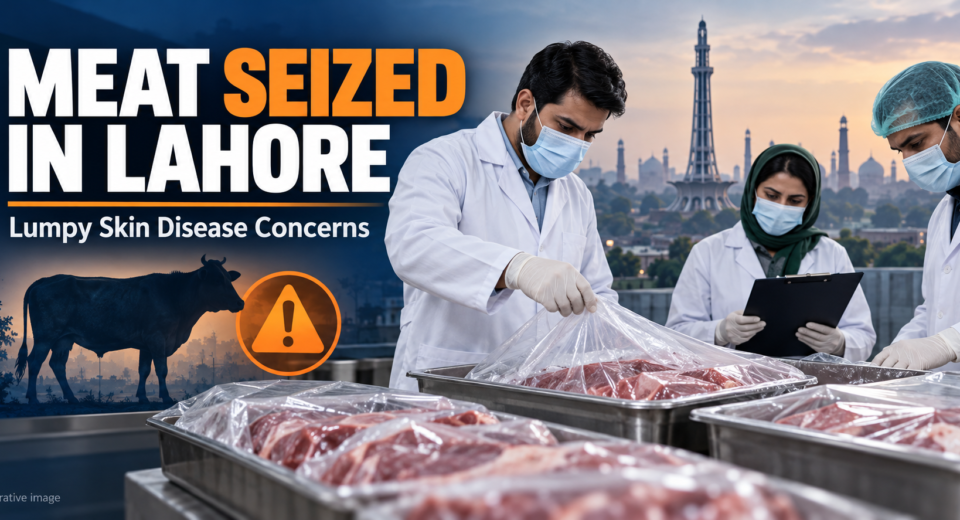
Meat From Animals Infected With Lumpy Skin Disease Seized in Lahore
Food safety is something we all take for granted until a story like this lands in the news. A large batch of unsafe beef was found in Lahore, and it got people talking about what they actually put on their plates. In this article, I’ll walk you through what happened, what lumpy skin disease really is, and what it means for your family. I’ll also show you simple ways to protect yourself when you buy meat. I’ll keep things simple and honest. No scary exaggeration, and no false comfort either. What Happened: Meat From Animals Infected With Lumpy Skin Disease Seized in Lahore On October 30, 2026, a Punjab Food Authority (PFA) team carried out an operation in Lahore. The PFA destroyed 900 kilograms of meat from animals infected with lumpy skin disease during an operation in Lahore’s Kot Lakhpat area. That’s close to a ton of beef that never reached a single kitchen. The Operation in Kot Lakhpat The operation took place under the direction of the PFA Director General. Officials recovered the meat from a beef shop and took the supplier’s vehicle into custody. Taking the vehicle matters. It shows the authority is going after the supply chain and not only the shopkeeper at the end of it. What the Inspectors Found The team didn’t rely on guesswork. They noticed a foul smell, a discoloured look, and signs of lumpy skin disease in the meat. A veterinary specialist then examined the stock. He declared it unfit for human consumption and said the supplier had illegally slaughtered infected animals to sell their meat in the market. What Happened to the Meat The authority destroyed the entire 900kg consignment on the spot so it could not be sold or eaten. Destroying it right there is the safest move. Seized meat that gets moved around can sometimes find its way back into the market through the back door. Understanding Lumpy Skin Disease in Simple Words Before we go further, let’s get clear on the disease itself. Many people hear “lumpy skin disease” and imagine something that can jump to humans. That’s not the case, and I’ll explain why shortly. What Causes It Lumpy skin disease, or LSD, is a viral infection of cattle and buffalo. The virus spreads mainly through biting insects like mosquitoes and ticks. Think of it as a farm animal illness that travels by insect bite and by movement of animals from one place to another. Signs You Can See in Cattle Sick animals look unwell. Veterinary experts describe painful skin nodules, fever, loss of appetite, and a sharp drop in milk production. The lumps are hard to miss. They show up on the skin, and they can spread across the body. A farmer who knows his animals will often spot the trouble early. Why It Hurts Farmers So Much An infected cow gives less milk and loses weight. It can’t work or grow the way a healthy one does. For a small farmer who owns just a few animals, that’s a real hit to the family income. Some animals recover, while others die. That uncertainty is why many farmers panic and sometimes make bad choices, like rushing a sick animal to a butcher. How Lumpy Skin Disease Reached Pakistan This isn’t a new problem for us, and the history helps explain why it keeps coming back. The First Reports The disease was first reported in Pakistan in November 2021 from Bahawalpur in Punjab. Experts at that time suggested animals may have crossed borders from places where the disease already existed. After that, it moved to other parts of the country. The Spread Across Provinces Over the next few years, outbreaks showed up in Sindh, Khyber Pakhtunkhwa, and Punjab. A research paper from a Lahore university notes that southern Punjab was hit harder than the north. Later reports also described cases in districts like Rahim Yar Khan and others that border Sindh and Balochistan, with worries that the virus could creep northward. Why It Keeps Returning There are a few reasons: When these three things line up, the disease finds new animals to infect. That’s one reason the Lahore seizure should not surprise us. Lumpy Skin Disease and Human Health: What Experts Say This is the part where I want to be extra clear, because mixed messages cause panic. The Disease Does Not Infect Humans Veterinary experts have said it plainly. A spokesperson from the University of Veterinary and Animal Sciences in Lahore called it a completely non-zoonotic disease, which means it doesn’t pass from animals to people. Another report quotes a researcher who explained that humans do not have the receptors the virus needs to cause infection. So no, you will not “catch” lumpy skin disease from beef. Let’s put that worry to rest. Then Why Was the Meat Declared Unsafe Here’s where the story gets more serious. The danger in the Lahore case wasn’t only the virus. It was the whole condition of the meat and the way it was produced. The same Dawn report notes that a veterinary expert said meat from an infected animal can be fine if it is cooked well. That advice applies to a properly handled animal, slaughtered under inspection, and kept clean and cold. The meat seized in Kot Lakhpat was a different story. It smelled bad and had changed color. It came from sick animals slaughtered illegally, with no proper check. Meat like that can carry bacteria and spoilage that have nothing to do with the LSD virus, and those can make you ill. A Simple Way to Remember It The virus itself is not the human threat. Sick animals, no inspection, poor storage, and spoiled meat are the threat. When you put them together, you get a product nobody should eat. Why Slaughtering Sick Animals Is a Serious Problem I want to be fair to everyone here. Most butchers and farmers do honest work. But a few people cut corners, and the damage they do is big.