
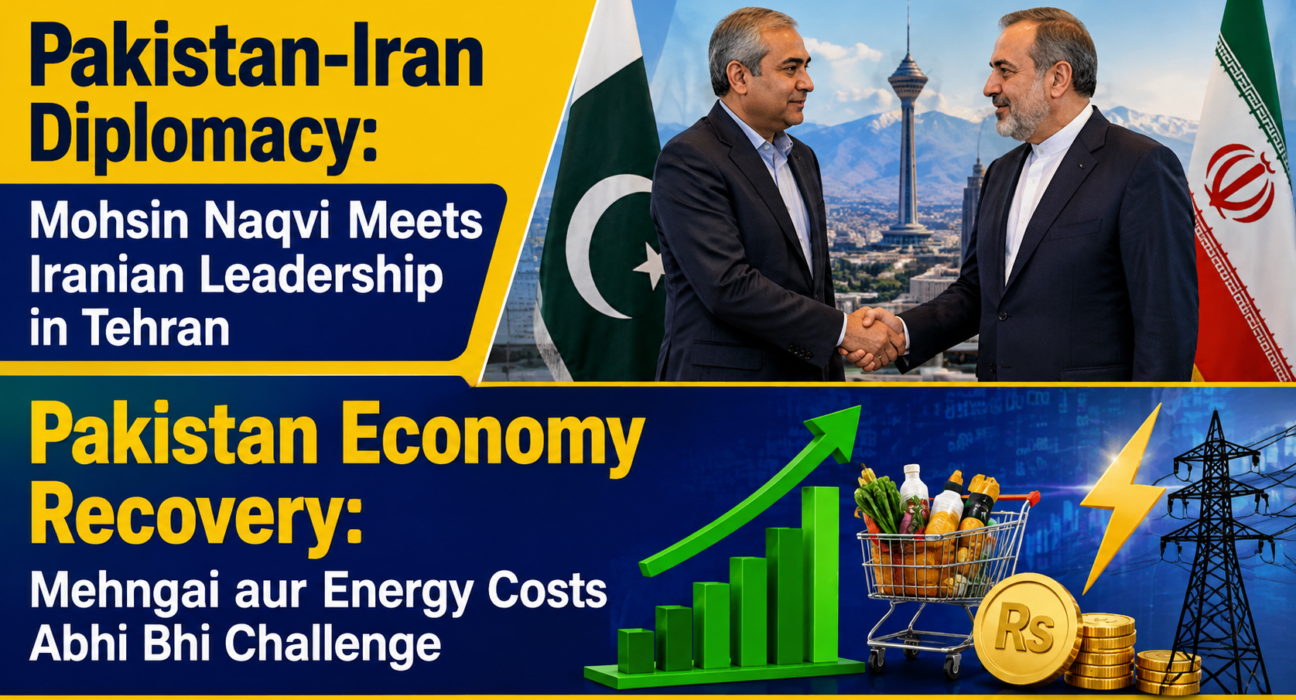
If you’ve been following the news out of the Middle East lately, you’ve probably noticed one name popping up again and again — Mohsin Naqvi. Pakistan’s Interior Minister has practically become a regular visitor to Tehran this year, and his latest trip is turning heads once more. This time, he sat down with Iranian President Masoud Pezeshkian, Foreign Minister Abbas Araghchi, and Interior Minister Eskandar Momeni, all in the span of a single visit. That’s not a small feat, and it tells you a lot about how seriously Islamabad is taking its role in the region right now.
So, why does this matter to you? Well, Pakistan has quietly positioned itself as a go-between for Iran and the United States, especially as tensions around the Strait of Hormuz keep escalating. Naqvi’s Foreign Ministry confirmed that this visit was centered on bilateral relations, regional security, and what officials are calling “constructive engagement” between the parties involved. In plain English, Pakistan is trying to keep the lines of communication open at a moment when direct talks between Washington and Tehran are practically frozen.
A Message Beyond the Handshake
What really stands out here is that Naqvi wasn’t just carrying his own agenda. According to Iran’s government website, he delivered a message from Pakistani Prime Minister Shehbaz Sharif and the Chief of Army Staff. That’s a pretty clear sign this isn’t a routine diplomatic courtesy call — it’s a coordinated effort involving Pakistan’s civilian and military leadership working together on a single, unified message to Tehran.
President Pezeshkian, for his part, has repeatedly emphasized that Iran wants to deepen ties with Pakistan across the board — economic, cultural, and security cooperation included. He’s pointed to the two nations’ long shared history and people-to-people connections as a foundation worth building on. It’s the kind of rhetoric that sounds diplomatic on the surface, but given the current regional climate, it carries real weight.
Why the Timing Matters
Let’s be honest — nobody sends their interior minister to another country three times in a matter of months just for a friendly chat. The backdrop here is the ongoing standoff over the Strait of Hormuz, a waterway that’s become a flashpoint since Iran insists on controlling passage through it and the U.S. has responded with its own blockade measures on Iranian ports. That’s a dangerous combination, and it’s exactly why Pakistan’s mediation role has become so important to watch.
Quick Snapshot of Naqvi’s Tehran Visits
| Visit Timeline | Key Iranian Officials Met | Primary Focus |
| Mid-May 2026 | Araghchi, Momeni | Reviving US-Iran talks |
| Late June 2026 | Pezeshkian, Araghchi, Momeni | Bilateral ties, mediation push |
| August 2026 | Pezeshkian, Araghchi, Momeni | Regional security, Hormuz crisis |
What This Means for Pakistan-Iran Relations
| Area of Cooperation | Current Status |
| Diplomatic Channel | Active and expanding |
| Economic & Trade Ties | Both sides pushing for deeper engagement |
| Security Coordination | Increasing amid regional tensions |
| US-Iran Mediation Role | Pakistan positioning as key intermediary |
At the end of the day, this isn’t just about two neighboring countries exchanging pleasantries. It’s about Pakistan carving out a genuine role on the regional stage, one that could shape how the Iran-US standoff eventually plays out. Whether Naqvi’s shuttle diplomacy actually produces a breakthrough remains to be seen, but one thing’s for sure — Islamabad isn’t sitting on the sidelines this time. Given how fluid the situation around the Strait of Hormuz still is, don’t be surprised if this isn’t Naqvi’s last trip to Tehran this year.