
If you filled up your tank this week, you probably noticed the price ticked up a bit. Yes, it’s true. The government has raised the petrol price in Pakistan by Rs2.02 per litre, and if you’re wondering what this means for your wallet, your bike, or your daily commute, you’re in the right place. Let’s break it all down in simple terms.
What Changed This Time
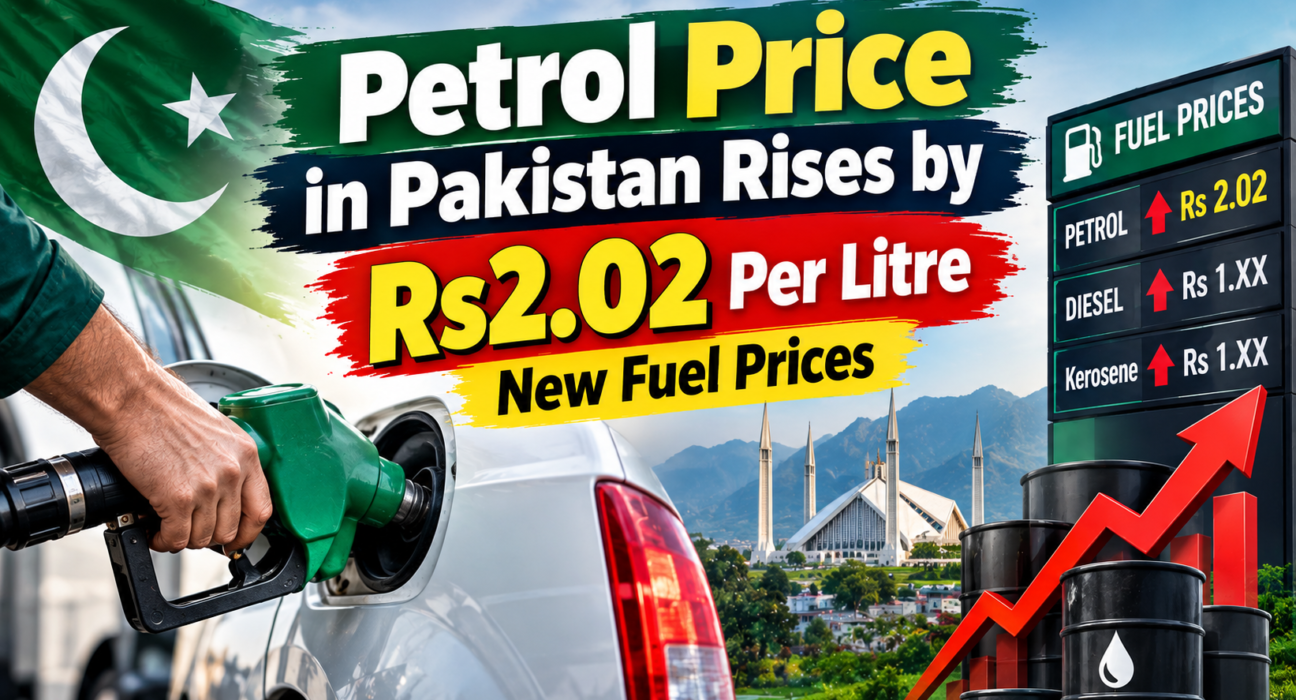
The Oil and Gas Regulatory Authority, known as OGRA, announced fresh fuel prices for the period from September 26 to September 28, 2026. Under this update, petrol has gone up by Rs2.02 per litre. The new price now stands at Rs391.30 per litre, compared to the earlier rate of Rs389.28. It’s not a huge jump, but every rupee counts when you’re filling a full tank every week.
Here’s the interesting part. While petrol went up, diesel actually went down. High-speed diesel, or HSD, dropped by Rs3.59 per litre, bringing it to Rs408.53 per litre from its previous price of Rs412.12. So this update is a mixed bag. Bike riders and car owners feel a small pinch, while truck owners and diesel users get a bit of breathing room.
Why Petrol Went Up While Diesel Went Down
You might be asking yourself, how can one fuel rise and the other fall at the same time? The answer lies in international oil markets. Pakistan doesn’t produce enough oil on its own, so it depends heavily on imports. The price we pay is closely tied to global oil rates, shipping costs, and currency movements.
According to reports, the import premium and freight charges for petrol went up, climbing to around USD 16.36 per barrel from the earlier USD 14.12. This pushed the petrol price higher. On the flip side, the average international price of diesel dropped during the same week, which is why diesel became cheaper for us.
OGRA now calculates these prices based on a seven-day rolling average of international rates. This system was introduced to make pricing more responsive to what’s happening in the global market. Since July, Pakistan has shifted from weekly price reviews to daily ones, mainly because oil markets have been unstable due to ongoing tension between the United States and Iran.
A Quick Look at the Numbers
Sometimes numbers make more sense in a simple table. Here’s a quick summary of the latest fuel price changes.
| Fuel Type | Old Price (Rs/litre) | New Price (Rs/litre) | Change |
| Petrol | 389.28 | 391.30 | +Rs2.02 |
| High-Speed Diesel | 412.12 | 408.53 | -Rs3.59 |
These prices are valid from September 26 to September 28, 2026, and they can change again once this window closes, since OGRA now reviews rates daily.
How This Affects Everyday People
Petrol isn’t just fuel. It’s part of daily life for millions of Pakistanis. Motorcycles, rickshaws, and small cars mostly run on petrol, and these are the vehicles most common households and small business owners depend on. So when petrol prices rise, it directly affects people from the middle and lower-middle class the most.
Let’s put it in perspective. If you buy 10 litres of petrol, you’ll now pay about Rs20.20 more than before. For a 20-litre fill-up, that adds up to around Rs40.40 extra. It doesn’t sound like a lot at first glance, but if you fill your tank a few times a month, it slowly adds to your monthly budget.
Diesel, on the other hand, powers buses, trucks, tractors, and heavy machinery. It’s the backbone of transport and agriculture in Pakistan. Since diesel prices went down this time, it might slightly ease transport costs and the price of goods that get moved across the country, though the impact usually takes a little time to show up in the market.
The Petrol Relief Scheme Explained
Here’s some good news for certain groups of people. The government has a Petrol Relief Scheme in place to help ease the burden of rising fuel costs. Under this scheme, owners of motorcycles and Cingchi rickshaws get a discount of Rs100 per litre on up to 20 litres of petrol every month.
Owners of small cars, specifically those with engines up to 800cc, also get a discount on up to 30 litres of petrol per month. This scheme is meant to support the people who rely most on two-wheelers and small vehicles for their everyday travel and work.
According to reports, this relief plan covers close to 11.8 million people across Pakistan. That includes around 10 million two-wheeler riders and 800,000 three-wheeler owners, along with about 1 million owners of small cars. For a lot of families, this discount can genuinely help balance out the sting of a petrol price hike.
The Bigger Picture Behind Fuel Pricing
Why Fuel Prices Keep Changing So Often
If you feel like fuel prices in Pakistan change more often these days, you’re not imagining things. Since renewed tensions broke out between the US and Iran back in February, oil markets around the world have been shaky. Pakistan’s petrol price had actually touched a peak of Rs520.35 per litre in April, before gradually coming down over the following months.
To handle this kind of volatility better, the government moved away from the old weekly pricing model. Now, OGRA publishes updated prices daily, which means consumers can see market changes reflected faster, whether prices go up or down. It’s a more transparent system, even if it means more frequent changes to keep track of.
Along with pricing changes, the government also brought back some austerity measures earlier in September. These include shorter market hours, with businesses required to close by 9pm, and a 50 percent cut in fuel allocation for official government vehicles for the next three months. These steps are aimed at reducing overall fuel consumption during a period of high global oil prices.
What This Means for Your Monthly Budget
Fuel prices touch almost every part of daily spending, even things that seem unrelated to petrol or diesel. When fuel becomes costlier, transport fares often rise, and that pushes up the cost of moving goods from one city to another. This eventually reflects in the prices of groceries, vegetables, and other everyday items.
For someone who commutes daily on a bike or in a small car, this latest hike of Rs2.02 per litre may only add a small amount to their monthly fuel spending. But if you’re someone who runs a business that depends on transport, or if you own a vehicle that consumes a lot of fuel, it’s worth planning ahead and adjusting your budget slightly.
On the brighter side, the drop in diesel prices could offer some relief for public transport costs and for farmers using diesel-powered equipment. It’s a balancing act, and this week, diesel users are getting the better end of the deal.
Staying Updated on Fuel Prices
Since Pakistan has now moved to a daily pricing system, it’s a good habit to check fuel prices every few days rather than assuming last week’s rate still applies. You can find updated prices on OGRA’s official website, or through trusted local news sources that report these changes regularly.
Keeping an eye on these updates helps you plan your fuel expenses better, whether you’re a daily commuter, a small business owner, or someone managing a household budget. Prices might go up one week and come down the next, so staying informed puts you in a better position to manage your spending.
Final Thoughts
To sum it up, petrol in Pakistan has gone up by Rs2.02 per litre, now priced at Rs391.30, while diesel has dropped by Rs3.59 per litre to Rs408.53. This change reflects the ongoing ups and downs in global oil markets, and it’s part of a broader shift toward daily fuel price reviews in Pakistan.
While the petrol hike might feel a little frustrating, especially for regular bike and car users, the relief scheme for motorcycles, rickshaws, and small cars offers some cushion. And with diesel prices easing up, there’s a silver lining for the transport and agriculture sectors too. As always, keeping track of these changes will help you stay a step ahead when planning your monthly expenses.