

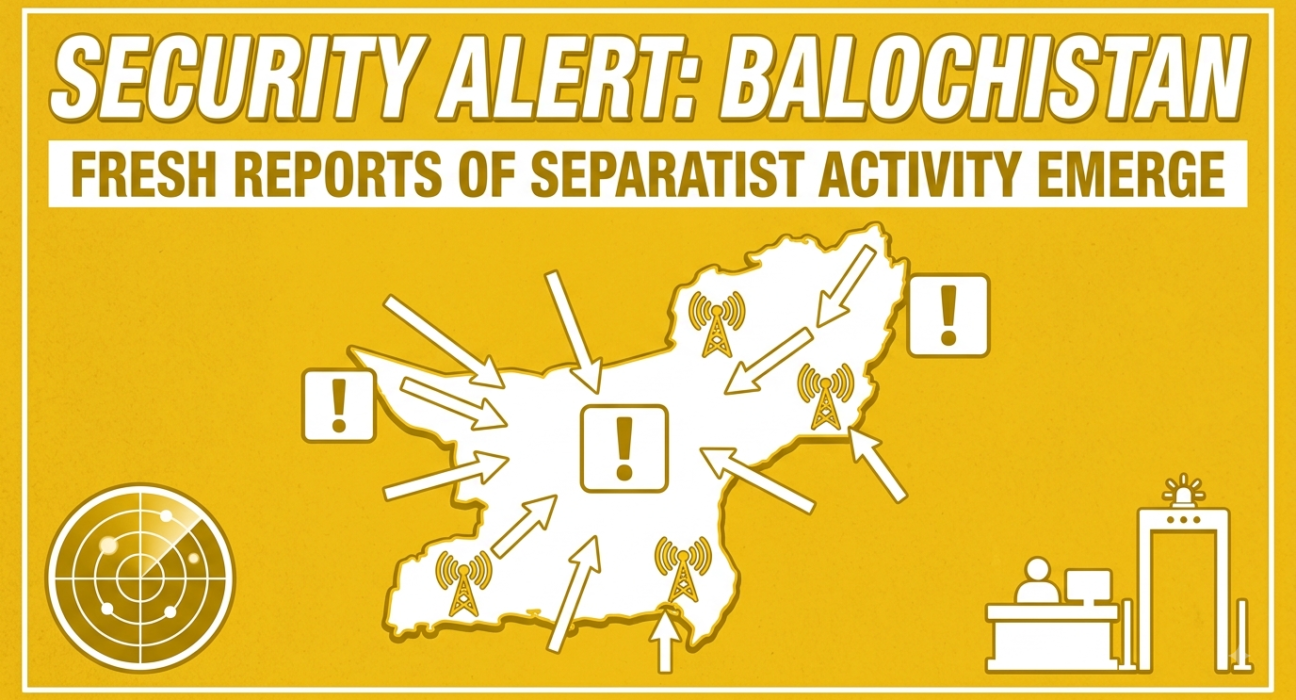
If you’ve been keeping half an eye on Pakistan’s southwest, you already know Balochistan rarely stays quiet for long. But even by its own turbulent standards, the past few weeks have been rough. Fresh reports out of the province point to a fresh wave of separatist activity, and honestly, the numbers being tossed around are hard to ignore.
Let me walk you through what’s actually happening on the ground.
What’s Driving the Latest Surge
The trouble kicked off in early July when militants believed to be linked to the Balochistan Liberation Army (BLA) struck a police post guarding construction work on the Mangi Dam project near Quetta. That single attack set off a chain reaction. Within days, Pakistan’s military confirmed dozens of security personnel had been killed in a string of coordinated assaults across the province, and the army responded with sweeping counter-insurgency operations that reportedly left dozens of militants dead too.
What makes this round feel different isn’t just the body count, it’s the geography. Analysts tracking the violence note that attacks have been popping up in more than a dozen districts, from Chagai to Kech to Dera Bugti, which suggests the insurgency isn’t shrinking into a corner. If anything, it looks like it’s spreading its footprint.
A Snapshot of Recent Incidents
Here’s a quick rundown of some of the flashpoints reported in recent months:
| Location | Reported Incident | Approximate Impact |
|---|---|---|
| Mangi Dam, near Quetta | Assault on police post guarding dam project | Sparked days of military operations |
| Hanna Urak Valley | Attacks near a rural valley, tribal jirga later negotiated hostage releases | Multiple casualties, local unrest |
| Chagai District | Assault on public and private property | Significant property destruction |
| Panjgur & Noshki | Twin attacks on troops and installations | Security personnel and militants killed |
| Coastal Jiwani region | Military operation cutting off local communities | Displacement concerns raised by rights groups |
Beyond the attacks themselves, there’s a whole other layer to this story that doesn’t always make the headlines.
Why This Keeps Happening: Underlying Grievances
Baloch nationalist groups have long argued that the province, despite sitting on enormous mineral and coastal wealth, sees little of that money trickle down to ordinary residents. Add to that longstanding accusations of enforced disappearances, and you start to understand why recruitment for these groups doesn’t seem to be drying up, no matter how many military operations roll through.
| Grievance | Community Concern |
|---|---|
| Resource distribution | Locals say provincial wealth bypasses Baloch communities |
| Enforced disappearances | Rights groups report ongoing detentions without due process |
| Water scarcity | Protests over drinking water shortages in districts like Kohlu |
| Security crackdowns | Communications blackouts and travel restrictions affecting daily life |
Where Things Stand Now
Pakistan’s civil and military leadership has publicly pledged a unified push to root out the insurgency, and Prime Minister Shehbaz Sharif has personally visited Quetta to meet with families of slain personnel. At the same time, local jirgas, tribal elder councils, have quietly stepped in to negotiate hostage releases in some cases, working almost independently of formal government channels. That tells you something about how fragmented the response on the ground really is.
For now, mobile data restrictions, travel curbs, and heightened checkpoints remain common across several districts. Whether the current military push actually curbs the insurgency’s reach, or just pushes it further into new districts, is the question everyone in the region is watching closely.
One thing seems fairly certain: Balochistan’s security story isn’t wrapping up anytime soon, and fresh developments are likely just around the corner.