
Petrol and Diesel Prices
If you’ve filled up your bike or car this week, you already felt it. Fuel prices in Pakistan have gone up again, and honestly, it’s starting to feel like a monthly ritual at this point. But here’s the twist this time: along with the bad news of higher prices, the government has also rolled out some real relief for millions of small vehicle owners. Let’s break down what’s happening, why it’s happening, and most importantly who can actually get help and when.
Why Are Fuel Prices Going Up Again?
You’ve probably noticed that petrol and diesel prices in Pakistan don’t stay put for long anymore. That’s because the country moved away from its old fortnightly pricing system to a daily pricing mechanism. Oil and Gas Regulatory Authority (OGRA) now checks international crude oil prices, freight costs, and the rupee’s value against the dollar almost every day, then adjusts what you pay at the pump.
This shift happened for a good reason. Tensions in the Middle East have kept shaking up global oil markets, and Pakistan wanted its local prices to reflect real-time changes instead of getting stuck with outdated rates. The problem is, when international prices spike, you feel it almost instantly at your local pump.
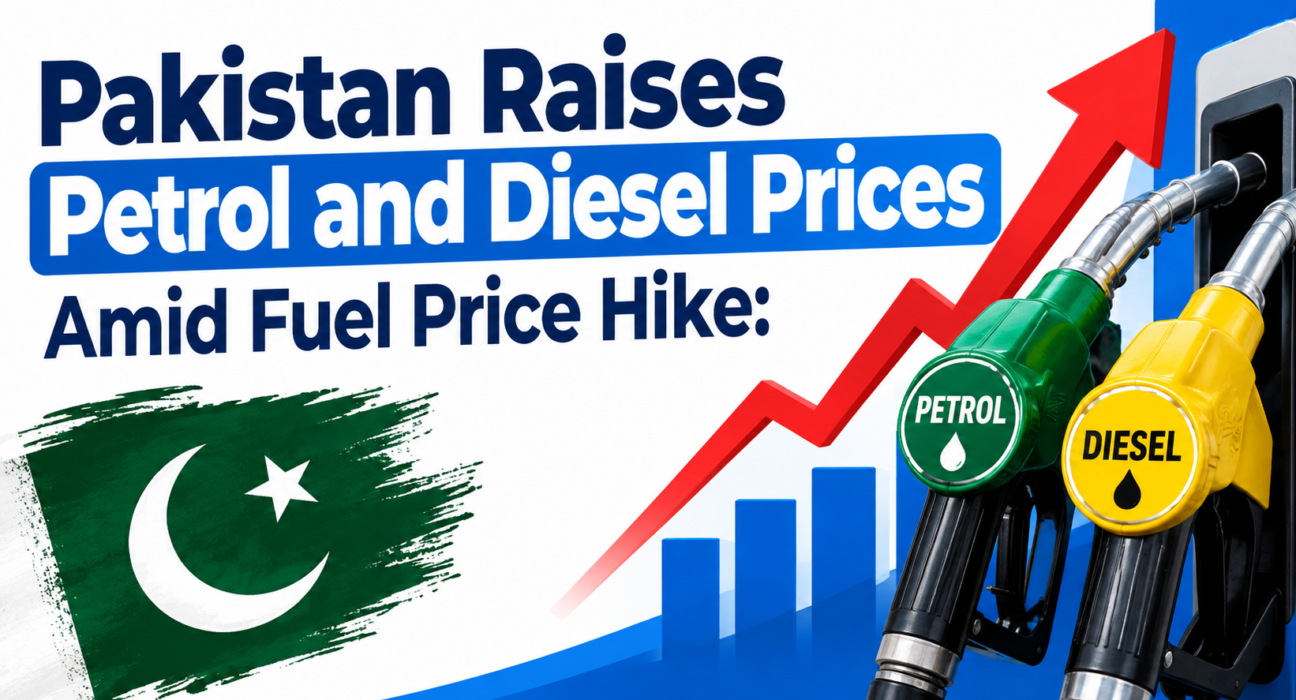
As of Tuesday, September 15, 2026, petrol climbed by Rs4.42 per litre and high-speed diesel (HSD) jumped by Rs6.10 per litre. That’s the sixth increase in a row, and it’s putting real pressure on everyday budgets.
Latest Petrol and Diesel Prices in Pakistan
Here’s a quick look at how prices have moved over the past couple of weeks so you can see just how fast things are changing.
| Effective Date | Petrol Price (per litre) | Diesel/HSD Price (per litre) |
| September 8, 2026 | Rs358.77 | Rs381.77 |
| September 10, 2026 | Rs367.75 | Rs392.67 |
| September 12, 2026 | Rs375.82 | Rs403.32 |
| September 15, 2026 | Rs380.24 | Rs409.42 |
Looking at these numbers, you can see petrol has gone up by more than Rs20 per litre in just about a week. Diesel has climbed even faster, which matters a lot because diesel powers most of the trucks, buses, and tractors that move goods and people around the country. When diesel gets expensive, it doesn’t just hit drivers — it pushes up the price of vegetables, flour, and pretty much everything else that needs to be transported.
On top of the base price, the government still collects Rs114 per litre in taxes on petrol and Rs100 per litre on diesel. So a good chunk of what you pay at the pump isn’t really about oil at all — it’s tax.
What’s Really Driving These Endless Hikes?
You might be wondering why this feels so relentless lately. A few things are stacking up together. First, there’s ongoing volatility tied to conflict in the Middle East, which keeps pushing international oil prices higher. Second, Pakistan’s daily pricing model means there’s no more waiting two weeks for a price change — it can happen overnight. Third, the rupee’s performance against the dollar plays a role too, since Pakistan imports most of its fuel.
None of this is great news if you’re trying to plan a monthly budget. But it does explain why we’ve seen price hikes announced almost every other day this month instead of every two weeks like before.
The Good News: A New Relief Scheme for Small Vehicle Owners
Here’s where things get more hopeful. On Sunday, September 13, 2026, Prime Minister Shehbaz Sharif announced a fresh relief scheme aimed at cushioning the people who feel fuel price hikes the hardest — bikers, rickshaw drivers, and small car owners. The Prime Minister said the government understood the burden these rising prices were placing on ordinary people and wasn’t going to leave them to deal with it alone.
This isn’t just a passing promise either. The scheme has real numbers, a real rollout date, and a real registration process behind it, developed jointly by the Ministry of IT and Telecommunication, NADRA, and provincial transport departments.
Who Can Get the Fuel Relief?
So, who actually qualifies for this discount, and how much can you save? Here’s the breakdown.
| Vehicle Type | Monthly Petrol Quota | Relief Per Litre |
| Motorcycles, rickshaws, Chingchis (two- and three-wheelers) | Up to 20 litres | Rs100 |
| Cars and vehicles up to 800cc | Up to 30 litres | Rs100 |
If you own or use a motorcycle, rickshaw, or Chingchi, you can get Rs100 off every litre for your first 20 litres each month. If you drive a small car with an 800cc engine or smaller — think Suzuki Mehran, Alto, or Bolan — you get the same Rs100 discount, but on up to 30 litres a month. That’s a solid saving, especially for daily commuters and people who rely on their bike or rickshaw to earn a living.
It’s worth noting the government isn’t strictly requiring the vehicle to be registered in your own name. The person actually using the vehicle day to day can register and claim the relief, which makes things easier for families who share a bike or a small car.
When Does the Relief Actually Start?
Timing matters here, so let’s get specific. The scheme kicked off first in Islamabad, starting from midnight between Monday and Tuesday, which was 12am on September 15, 2026. For the rest of the country — including Azad Kashmir and Gilgit-Baltistan — the government had originally planned a rollout a couple of days later.
Since then, officials confirmed the nationwide rollout would happen at 11:59pm on September 16, 2026. Deputy Prime Minister Ishaq Dar chaired a meeting to review how things were going and pushed authorities to keep the registration process simple so that as many people as possible could actually benefit from it. So if you’re outside Islamabad, don’t worry if you haven’t seen the discount yet — it’s coming very soon, and by the time you read this, it may already be active in your city.
How Do You Register for the Relief?
Registering is meant to be quick and doesn’t require downloading a complicated app or standing in long lines. Here’s what you need to do:
Send an SMS to 9771 that includes the word “REG,” followed by your CNIC number, your vehicle’s registration number, your provincial code, and the date. The system checks your details live against NADRA and provincial vehicle records, so accuracy really matters here — a small typo could delay your approval.
Once you’re registered, you’ll get a token number. When you head to the pump, just show that token, and the discounted fuel gets applied right there at the point of sale. No cash refunds to chase down later, no waiting weeks for reimbursement.
A quick word of caution: because scams tend to pop up around any government relief announcement, only trust official government channels and the confirmed SMS shortcode. Don’t share your CNIC details on random websites or apps promising “guaranteed approval,” since fraudulent look-alike schemes can and do circulate online whenever a real subsidy program launches.
How This Affects Your Daily Life
Even with the relief scheme in place, the broader price hikes are still going to ripple through everyday costs. Transport fares for buses and rickshaws may inch up. Goods carried by diesel trucks could cost a bit more at the market. If you’re a small business owner who relies on deliveries, it’s smart to review your monthly budget now rather than get caught off guard later.
That said, the relief scheme genuinely helps take some of the sting out, especially if you’re a daily-wage earner who depends on a bike or rickshaw to get to work. The government has estimated the scheme will cost somewhere between Rs25 billion and Rs30 billion a month, which shows they’re treating this as a serious, ongoing commitment rather than a one-time gesture.
Final Thoughts
Fuel prices in Pakistan keep climbing, driven by global oil market swings and the country’s move to daily pricing. It’s frustrating, and it’s hitting household budgets hard. But the new relief scheme for motorcycles, rickshaws, and small cars gives real breathing room to the people who need it most. If you fall into one of these categories, registering takes just a few minutes and could save you real money every single month. Keep an eye on official updates, register through the correct SMS shortcode, and make the most of the relief while fuel prices stay this high.
https://propakistan.pk/