

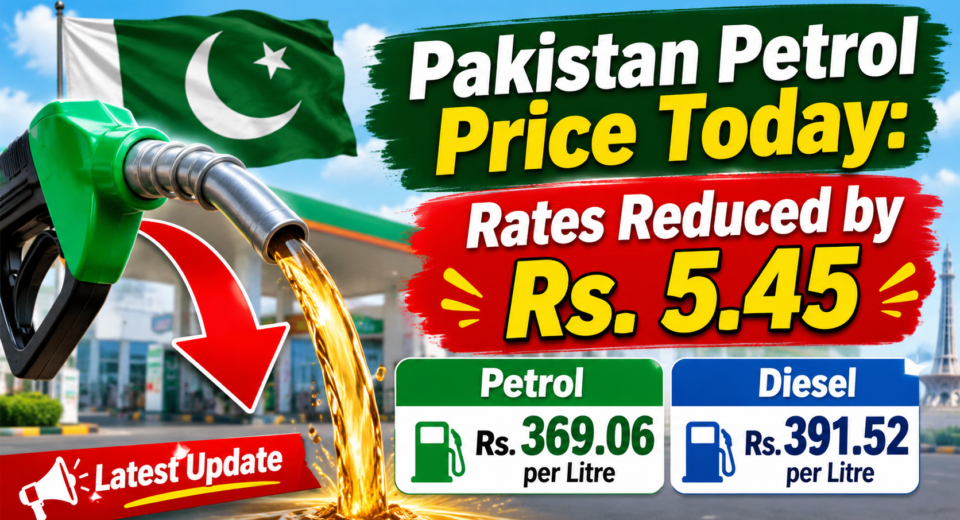
Pakistan Petrol Price Today: Rates Reduced by Rs. 5.45
If you ride a bike, drive a car, or run a small business, you know how a few rupees per litre can change your monthly budget. So when the government cut petrol prices, people noticed fast. The government reduced the petrol price by Rs5.45 per litre, from Rs293.94 to Rs288.49, for the next fortnight. Let’s break down what that means for your wallet, your commute, and your daily life. What Does “Pakistan Petrol Price Today: Rates Reduced by Rs. 5.45” Mean for You? Simply put, every litre of petrol now costs you Rs. 5.45 less than before. That sounds small, but it adds up quickly if you fill your tank often. The Short Answer The new petrol price in Pakistan is Rs. 288.49 per litre. The cut applied to the upcoming fortnight and began on May 1. The decision came after the Finance Division reviewed global oil trends and the advice of the regulator. Think of it as a small gift on every fill-up. You may not feel rich, but you will feel the relief at the pump. New Petrol Rate at a Glance Here is the simple table that shows the change. Product Old Price (per litre) New Price (per litre) Change Petrol Rs. 293.94 Rs. 288.49 − Rs. 5.45 The drop works out to about 1.85 percent. It is modest, yet it is a welcome change after the previous review went the other way. A fortnight earlier, the government had raised petrol by Rs4.53 and diesel by Rs8.14 per litre. In other words, this cut gave back most of that petrol increase. Why Did the Government Cut Petrol Prices? People often ask, “Who decides these rates, and why do they change so often?” Let me explain in plain words. Global Oil Prices Moved Down Pakistan buys most of its fuel from other countries. So when crude oil gets cheaper in the world market, our local rates have room to fall. The finance ministry said the cut came because of price changes in the international market. When oil costs less abroad, importing it costs less at home. OGRA Gives Its Advice The Oil and Gas Regulatory Authority, known as OGRA, studies the market and sends a price summary to the government. The decision followed the recommendations of OGRA. The federal government then approves the final rate and the Finance Division issues the notification. Exchange Rate and Taxes Matter Too Oil is bought in US dollars. If the rupee gets stronger, fuel gets cheaper to import. If it weakens, fuel costs more. Taxes also play a big part. The petroleum levy and other charges sit on top of the base price, so the final rate you pay is never just the cost of oil. How Much Will You Save? Let’s do the math, because numbers make things clear. That is the saving on a single fill-up. Over a whole year of regular fuel use, small cuts like this can mean thousands of rupees. For Bike Riders A typical motorbike tank holds around 10 to 12 litres. A full tank now costs about Rs. 55 to Rs. 65 less than it did before the cut. If you fill up once a week, that is a few hundred rupees back in your pocket every month. It could pay for your lunch on a few workdays. For Car Owners If you drive to work every day, you may burn 40 to 60 litres a fortnight. At that level, the Rs. 5.45 cut saves you roughly Rs. 220 to Rs. 330 in each pricing period. Families who travel between cities will notice even more. Other Fuel Prices Also Came Down Petrol was not the only product to get cheaper. The government reduced the rates of several fuels in the same review. Fuel Price Changes in Pakistan: Petrol, Diesel, Kerosene and LDO Product Change per Litre New Price Petrol (Motor Spirit) − Rs. 5.45 Rs. 288.49 High-Speed Diesel (HSD) − Rs. 8.42 Rs. 281.96 Kerosene Oil − Rs. 8.74 Revised Light Diesel Oil (LDO) − Rs. 5.63 Revised High-speed diesel fell from Rs290.38 to Rs281.96 per litre. Kerosene dropped by Rs8.74 per litre, and light diesel oil by Rs5.63. Diesel matters a lot here, because trucks, buses, and tractors run on it. A cheaper diesel rate can help lower transport costs across the country. How Does the Fortnightly Pricing System Work? Many readers ask why prices change every two weeks. Here is how it works. The Review Cycle The government announces new petroleum prices every two weeks, and these prices follow global oil trends, currency changes, and local taxes. The new rates usually start on the 1st and the 16th of each month. OGRA sends its summary a day or two earlier, so you will often hear news of a likely increase or cut before it becomes official. Why Early Reports Can Differ Sometimes news channels share expected numbers before the final decision. That is just what happened here. Media reports a week earlier had suggested a petrol cut of Rs4.88 per litre. The final cut turned out larger at Rs. 5.45. So always wait for the official notification before you trust a number. How Will This Affect Daily Life? Fuel touches almost everything we buy and do. A small drop at the pump can send small ripples through the economy. Transport and Travel Rickshaw drivers, van owners, and ride-hailing riders spend a big share of their income on fuel. A lower rate gives them a little breathing room. Some may even keep fares steady instead of raising them, which helps passengers too. Food and Grocery Costs Vegetables, fruit, and flour all travel by road before they reach your kitchen. When diesel gets cheaper, the cost of moving goods can ease. Please note that shop prices do not always fall right away. Sellers often take time to adjust, so don’t expect a big change overnight. Small Business Owners Shop owners who deliver orders, and farmers who run tube wells and tractors, also benefit. Lower