

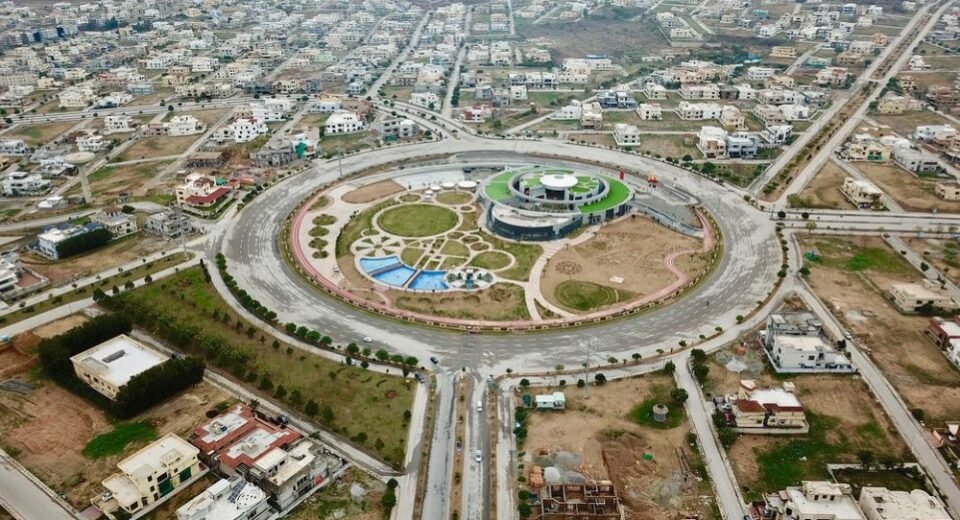
Buying a Plot in Islamabad? 7 Checks to Make Before You Pay a Single Rupee
Most property losses in the twin cities don’t come from overpaying. They come from paying for something that was never legally sellable. Here is a seven-step checklist that takes a few days and can save a lifetime of savings. Every few months, the Capital Development Authority (CDA) and the Rawalpindi Development Authority (RDA) publish fresh lists of housing schemes operating without approval. And every few months, the same story repeats: families who paid in full discover their plot sits in a scheme that has no approved layout plan, no NOC, or no land at all. The fix is not complicated. Buyers who lose money usually skipped one or two basic checks because a dealer said “sab clear hai” or a deadline felt urgent. The seven checks below cover the society, the plot and the seller. Do them in order, and do not move money until all seven are green. 1. Confirm the society is approved, not just “in process” Start with the regulator, not the brochure. Inside Islamabad’s limits, the CDA’s website lists approved, under-process and illegal housing schemes. On the Rawalpindi side, the RDA maintains its own list. Schemes in Lahore fall under the LDA. “NOC applied” or “approval in process” is not approval. A scheme can sit in that status for years, and some never leave it. If the society’s name does not appear on the approved list, stop here. 2. Check that the approval covers your block This is where many careful buyers still get caught. A society may hold an NOC for its original land while later extensions, new blocks or “overseas” sectors were added without approval. Ask the society office for the approved layout plan and match your block and plot number against it. If the block is missing from the approved plan, the plot does not legally exist yet, whatever the file says. 3. Know whether you are buying a plot or a file A file is a promise of a plot at a future date, usually without a fixed number or location. A possession plot has a number, a demarcated position on the ground, and can be transferred with a clear title. Files are cheaper for a reason: you are carrying the developer’s risk. If you are buying a file, budget for delays and treat every claim of “balloting next month” with suspicion until the ballot actually happens. 4. Verify the plot exists on the ground Visit the site, not the sales office. Ask for the plot to be shown with its number marked, and check what surrounds it. Is the road built? Are there electricity poles, water lines, a sewerage connection? A plot shown only on a map or a drone video has not been delivered. When you are comparing options, browse current plots for sale in Islamabad with location details, so you can tell what a fair asking price looks like for a developed versus an undeveloped block. 5. Trace the seller’s ownership Get the allotment letter, transfer documents and the seller’s CNIC, and verify them directly with the society’s transfer office, not through the dealer. The name on the society record must match the person selling. For land outside society records, check the fard and registry with the relevant land record centre or the Punjab land records portal. If the seller is acting through a general power of attorney, verify that it is registered and still valid. 6. Get a written dues and NDC statement Ask the society for a No Demand Certificate (NDC) or a written statement of outstanding dues. Unpaid instalments, development charges, possession fees and corner or park-facing charges stay with the plot, not the seller. Buyers who skip this often discover lakhs in arrears at the transfer counter. 7. Pay through traceable channels only Never pay the full amount in cash, and never pay a “token” without a written agreement naming the plot number, price, payment schedule and transfer deadline. Pay by pay order or bank transfer in the seller’s own name. Keep copies of everything. If you are buying a built home instead, the same logic applies: shortlist through verified houses for sale in Islamabad, then run checks 5 to 7 on the specific property before any payment. Red flags that should end the conversation The bottom line Pakistan’s property market rewards patience and punishes shortcuts. None of these seven checks needs a lawyer on day one, and together they take less time than a typical sale negotiation. The few days you spend verifying are the cheapest insurance you will ever buy. Know before you own. About the author Wajahat Ali is the editor and lead researcher at Milkiyat.com, an independent, buyer-first real estate research platform covering the Islamabad–Rawalpindi market, Lahore and Karachi. He trained in architecture at NCA and writes on housing society approvals, regulation and property due diligence.