

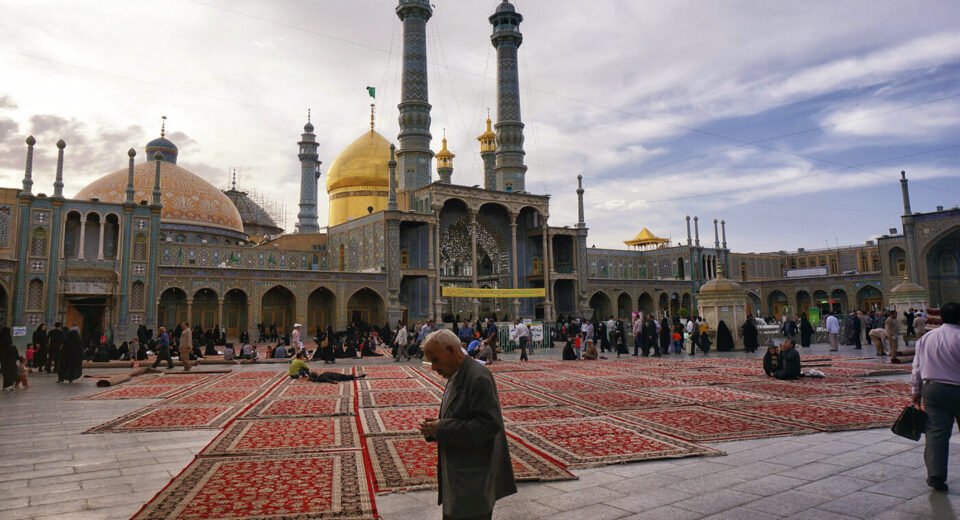
Planning Iraq Ziyarat from Pakistan
Talk to anyone who has done Ziyarat in Iraq and within about two minutes they will tell you what went wrong. The 4 AM landing. The hotel that turned out to be a twenty-minute drive from the haram. The cousin who forgot his passport was expiring in six weeks. Nobody tells you the parts that went smoothly, because smooth is invisible. But smooth is the whole point. You are going to Najaf, Karbala, Kazmain and Samarra for something that is hard to put into words, and the last thing you want is to spend your evenings arguing with a driver about pickup timings. So here is the practical side of it, from a Pakistani traveller’s point of view. When you go changes everything You can travel for Ziyarat any month of the year. But the month you pick will shape your trip more than almost any other decision. Arbaeen is a category of its own. Millions of people walking towards Karbala, roads shut, hotels booked out a year ahead, airfares that make you wince. If you have ever wanted to see something you will describe to your grandchildren, that is it. Just do not walk into it casually. Planning six to eight months out is normal for Arbaeen, not excessive. Then there is everything else. Ordinary weeks, ordinary crowds. You can stand at the zarih without being carried along by the press of people behind you. Rooms are cheaper. Your group is not permanently waiting for one person who got separated. Plenty of pilgrims prefer it this way and go back repeatedly during quiet months. Neither is the correct answer. They are just different trips. Know which cities you are actually getting Most packages sold in Pakistan advertise four cities. Read the day-by-day itinerary anyway. Najaf is usually where you land and where you begin. The shrine of Imam Ali (a.s.) is there, and for most people this is the moment the trip stops being an itinerary and becomes real. Karbala is the heart of it. Imam Hussain (a.s.) and Hazrat Abbas (a.s.), the walk between the two shrines, the crowds at Maghrib. Ask most Pakistani pilgrims why they are going to Iraq at all and Karbala is the answer, even if they name the other cities too. Kazmain sits just outside Baghdad and holds the shrines of Imam Musa al-Kazim (a.s.) and Imam Muhammad al-Jawad (a.s.). Calmer than Karbala. People often say they wish they had been given another day there. Samarra is further north and it is the stop most likely to get trimmed when an operator is tightening costs. If Samarra matters to you, get it confirmed in writing before you pay anything. Two packages priced within a few thousand rupees of each other can differ by an entire city and two nights. The price tells you almost nothing on its own. The visa, and the passport you forgot about Iraq’s entry requirements change more often than people expect. Whatever your uncle did in 2019 may no longer apply, and advice from a forum eight months ago is history, not advice. Confirm the current position close to your travel date. One rule catches Pakistani travellers out repeatedly. If you are applying individually and you are under 50, you cannot travel alone. You need a close family member with you, meaning your father, mother, sister or wife. Travelling with a registered group through an operator is handled differently, so check which situation applies to you before you make any bookings. Now go and look at your passport. Check the expiry date and count the blank pages. Obvious, yes. Also, the most common reason people get pulled out of a group two weeks before departure, and renewals are slow if you are outside a major city. First time travelling? Let someone experienced handle the visa file. There is no prize for doing it yourself. Flights: the cheapest fare is rarely the cheapest trip Most groups fly out of Karachi, Lahore or Islamabad. Fares vary a lot and the temptation is to sort by price and book the top result. Before you do, look at four things. How many stops. How long the layover actually is, including whether you clear immigration during it. Which Iraqi airport you land at, since Najaf and Baghdad put you in very different starting positions. And what time you arrive. Hotel distance is the whole thing This is the item people underestimate most. A hotel ten minutes’ walk from the haram means you go for Fajr, come back, rest, go again in the afternoon, go again after Maghrib. A hotel that needs a vehicle means you go once or twice a day and spend the rest of the time in traffic or waiting for the group to assemble. Yes, the closer hotels cost more, and during peak season they cost a lot more. Before you commit, ask for the hotel name so you can look it up yourself, the actual walking distance, the room configuration, and whether the price you were quoted includes accommodation throughout or only for some nights. If you are getting soft answers to hard questions, keep asking. Package or on your own? Going independent gives you control. Your own schedule, your own hotels, nobody waiting on anybody. Some experienced travellers genuinely prefer it and manage fine. The trade-off is that every problem is now yours. Visa rejection, missed connection, hotel that has no record of your booking at 11 PM. Nobody is picking up that call for you. For families, older travellers and larger groups, a package is usually the sensible choice. When you compare them, ignore the headline number and get clarity on: Ask these before you pay. Afterwards you have no leverage. Experience is worth paying for Operators who have been doing this for years are not selling you a better itinerary. They are selling you the fact that they have already dealt with the visa that came through late, the flight that got moved, the hotel that