

A lot of families in Pakistan are going to overpay for solar this year. Panels aren’t the issue. The issue is that people are still sizing their systems on rules that ended in February.
In February, NEPRA ended net metering for new connections and brought in net billing under the Prosumer Regulations 2026. The part that hurts is the buyback rate. Whatever you send to the grid now earns about Rs. 8.13 a unit, before this it was somewhere around Rs. 25 to 26. The contract also dropped to five years from seven.
(If your application went in before February 8, it’s being processed under the old rules. Lucky you. Everyone else is on net billing.)
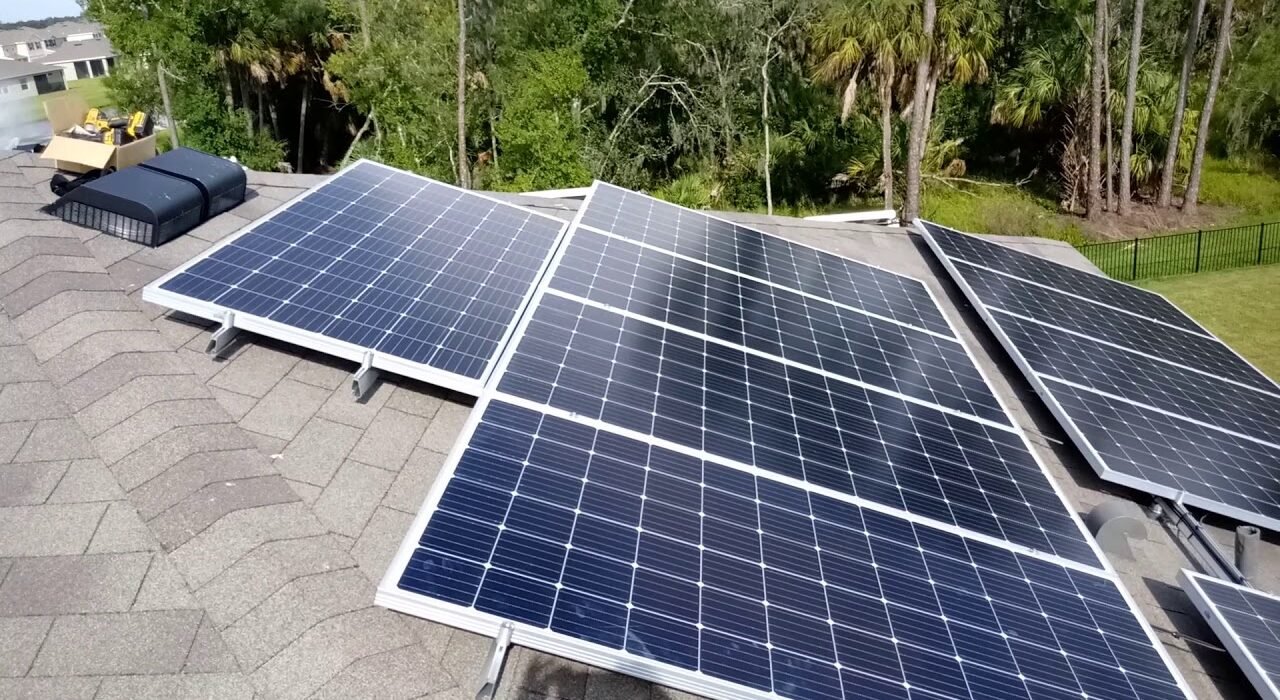
I’ve had solar on my own house in Lahore for a few years now. About 7.5 kW of Longi panels, a hybrid inverter and two lithium batteries, roughly 10 kWh. In a good month it makes around 1,000 units. In the peak months the house uses somewhere between 900 and 1,200 units, and my bill these days is around Rs. 5,000. I got my net metering done before February, so I’m still on the old unit-for-unit deal. Honestly, if I was setting it up today, I’d plan it differently.
Why “as big as the roof allows” doesn’t work now
Under net metering, every unit you exported pretty much canceled out a unit you bought. More panels meant a smaller bill. Simple.
That’s not how it works anymore.
Think of it like mangoes. You’ve got a tree in the backyard. You can eat the mangoes yourself, or you can sell them to the wholesaler for Rs. 8 a kilo and then buy the same mangoes back from the shop for Rs. 50. Nobody would do that. But that’s basically what an oversized solar system does now.
Here’s where the Rs. 50 comes from. For a home using around 600 units a month, NEPRA’s base rate is around Rs. 40 to 42 a unit, and once GST and the other charges get added you’re paying close to Rs. 50. So every unit your panels make that you use yourself saves you about Rs. 50. Every unit you export gets you Rs. 8.13. Six times less.
So stop asking how many panels can fit on your roof. Ask how much power your house actually uses while the sun is up.
How I’d figure out the right size
Get your last 12 bills out. Ignore the total at the bottom, it’s mostly taxes, fixed charges and fuel adjustments anyway. You want the units. Note your heaviest summer month, your lightest winter month and the average for the year.
Then think about the daytime. What’s actually running between 9 and 4 in your house? In summer it’s usually the inverter AC, the water motor, the fridge, maybe the washing machine. If somebody is home all day, half or more of your units probably get used in daylight. If the house is empty till evening, it could be closer to a third.
Multiply your monthly units by that share. That’s your daytime demand, and that’s the number to size around.
Now turn it into kW. In a good month, 1 kW of panels makes around 140 units, so a 7 kW system does about 1,000. Over a full year it averages closer to 120 a month, because winter fog and monsoon clouds pull it down. Divide your daytime demand by about 120 and you’ve got a ballpark. A house using 330 units in the daytime lands around 3 kW, or around 5 kW if you’re adding a battery for the evenings.
Batteries are where it gets interesting. Before, most people bought them for load shedding. Under net billing they actually save money, because you store the extra afternoon units and use them after sunset instead of selling at Rs. 8 and buying back at Rs. 50 at night. Is it worth it for you? Depends on battery prices that month and how much you run at night. Do the math both ways before an installer does it for you.
I learned the battery part the hard way. My first bank was four 12 V lead-acid batteries, put in back in 2023. By early this year they could barely run 1,000 W for two hours, and anything close to 2,000 W just shut them off. I swapped them for two lithium batteries, about 10 kWh, and they go through almost a full cycle every single day now. For daily cycling like that, lithium just makes more sense.
Last thing is the roof. A 650 W panel is around 7 ft 10 in by 4 ft 3 in. Once you leave gaps and space to walk around for cleaning, I’d plan on 70 to 80 sq ft of open roof per kW. Also ask your DISCO what size your sanctioned load allows before you give anyone an advance.
Doing all of this on paper is a headache, to be honest. This free solar calculator for Pakistan does it in a minute. You put in your monthly units and your city, and it gives you the system size, how much you’ll use versus export, and the payback at the current export rate. It has the bank financing numbers too if you’re going that route.
5 kW or 7 kW? Let’s actually run it
Say a family in Lahore uses 600 units a month and about 55% of it is during the day. That’s roughly 330 daytime units.
By that math they’d need around 3 kW without a battery. But say their installer quotes them 5 kW and 7 kW. Here’s what each one gets them in a good month.
| 5 kW | 7 kW | |
|---|---|---|
| Units made in a good month | about 715 | about 1,000 |
| Used in the house | 330 | 330 |
| Sent to the grid | about 385 | about 670 |
| Saved on units used (Rs. 50 each) | Rs. 16,500 | Rs. 16,500 |
| Export credit (Rs. 8.13 each) | Rs. 3,130 | Rs. 5,450 |
| Total for the month | about Rs. 19,630 | about Rs. 21,950 |
The 7 kW option has 40% more panels. In a good month it puts about Rs. 2,300 more in their pocket, roughly 12% more, because all 285 extra units go to the grid at Rs. 8.13. And that’s a good month, weaker months make less.
Now in fairness, those extra panels aren’t useless. If your inverter already has room, a couple of extra panels will still pay for themselves, just slowly. What I wouldn’t do is pay for a bigger inverter only so I can sell power at Rs. 8. And the contract is only five years, nobody knows what the rate looks like after that.
It’s a simple model, real usage moves around hour to hour. If you want to see how imports and exports actually get netted on your bill, this net billing payback guide explains it properly.
Mistakes I keep seeing
- Sizing from the rupee amount on the bill. Taxes make it look like you use more than you do.
- Copying the neighbor. Their family, their ACs and their routine aren’t yours.
- Forgetting about the seasons. Fog in Punjab can cut December and January output badly, and summer isn’t the peak either. My own system does its best numbers in March and April, by May it’s already lower, the heat does that. Don’t plan your payback on one good month.
- Trusting old YouTube math. Plenty of videos still show payback with Rs. 20+ export rates, that’s gone for new connections.
- Picking the cheapest per-watt quote. Panel rates have been all over the place this year, anywhere from the high Rs. 20s to the 40s per watt. Look at the inverter warranty, the structure, earthing and wiring too, and go with an AEDB-certified installer.
One more, from my own roof. My inverter is sold as a 7 kW unit, but 7 kW is what it takes in from the panels. What it actually puts out is 6 kW. So on the best days in March and April the graph just goes flat a little above 6 kW and sits there. Check the output rating on the spec sheet, not the big number on the box.
So, is solar still worth it?
Yes. I’d still do it today. Net billing didn’t kill solar in Pakistan, it just made it really easy to overspend.
If I was starting from scratch right now, I’d size for my daytime load, leave a bit of room on the inverter for a battery later, and not pay a single rupee extra just to export.
Spend ten minutes with your bills before you sign anything. It can save you a few lakh, which is a pretty good return on ten minutes.