
Janan Perfume in Pakistan Fashion Lifestyle

Janan Perfume in Pakistan – Original J. Perfumes Price List

Janan is one of the few local fragrance lines that Pakistanis actually recognise by name, not just by bottle shape. Made by J. (Junaid Jamshed), it has been around long enough — the Gold Edition launched back in 2016 — that most men buying it today either grew up smelling it on an older brother or picked it up as their first “proper” perfume during college. That history matters here, because price alone doesn’t explain why people keep coming back to it. This guide breaks down the actual janan perfume price in Pakistan across the different variants, sizes, and retailers, and explains why the numbers you see on Daraz can look nothing like the numbers you see at a J. outlet in Lahore or Karachi. What Is J. Janan and Why It Sells So Well Here Janan sits under J.’s fragrance division, alongside other local lines like Zarar and Panjnad. It was one of the first Pakistani-made perfume ranges packaged and marketed like an international brand — proper glass bottles, boxed presentation, and counter placement inside J. stores rather than being tucked away with attars. The scent family itself has grown over the years. What started as a single woody-aromatic release now includes Janan Gold, Janan Intense, Janan Sport, Janan Musk, Janan Vanilla, and Janan Tobacco, plus a body spray and deodorant line under the same name. Each one targets a slightly different occasion — Gold leans formal and oriental, Sport is built for daily wear in Pakistani heat, and Intense pushes the oud and amber notes harder for evening use. Janan Perfume Price in Pakistan – Latest Rates (2026) Prices below are drawn from J.’s own online store and a handful of authorised retailers as of mid-2026. Perfume prices in Pakistan shift with currency movement and seasonal sales (Eid, 12.12, Black Friday), so treat these as a working range rather than a fixed number. Variant Size Price (PKR) Janan Gold Pour Homme EDP 100ml Rs. 6,900 Janan Gold Body Spray 200ml Rs. 750 Janan Intense EDP Full size Rs. 7,300 Janan Intense 30ml Rs. 2,800 Janan Tobacco 30ml Rs. 2,800 Janan Vanilla 30ml Rs. 2,800 Janan Musk 30ml Rs. 2,800 Janan Gift Set 30ml Rs. 11,500 Janan Sport EDP 100ml Rs. 6,300 – 7,800 These figures come from J.’s own fragrance collection page and authorised retail listings, so they reflect original, non-counterfeit stock. If you see a “Janan” perfume priced at Rs. 1,000–1,500 for a full 100ml bottle, or a “pack of 5” deal at a similarly low price, it almost certainly isn’t the genuine J. product — more on that below. Decoding the J. Fragrance Landscape The landscape of personal grooming in Pakistan looked very different two decades ago. Consumers generally had two choices. They could purchase expensive imported designer bottles from the grey market, which often carried inflated price tags and questionable authenticity. Alternatively, they could buy cheap aerosol-based body sprays from local grocery stores. Junaid Jamshed identified this massive void in the middle of the market. The brand initially launched a modest line of locally blended perfumes designed to offer respectable longevity without the exorbitant import costs. The strategy worked perfectly, but the real turning point was the introduction of the Janan line. This series was engineered to compete directly with mid-tier designer fragrances. By investing heavily in better atomizers, heavier glass molds for the bottles, and higher concentrations of fragrance oils, the brand shifted consumer perception. Today, checking the official j janan perfume price in pakistan is a routine step for young professionals building their daily grooming kits. The Chemistry of Janan Gold To truly understand the value behind the janan gold perfume price in pakistan, we need to examine its specific chemical composition. Fragrances are built in a pyramid structure consisting of top notes, heart notes, and base notes. The top notes are what you smell immediately after spraying. Janan Gold utilizes bergamot, red apple, and pineapple. Bergamot is a bitter citrus fruit that provides a sharp and clean opening. The synthetic pineapple note here is highly crucial. It adds a sweet, fruity density that grabs attention immediately. However, top notes are highly volatile. Within thirty to forty-five minutes, they begin to burn off and evaporate. This evaporation reveals the heart notes, which form the core personality of the scent. Janan Gold transitions into a blend of jasmine, rose, birch, and patchouli. Birch oil is an interesting addition to this formula. It naturally contains compounds that smell slightly medicinal and woody, effectively bridging the gap between the sweet fruit opening and the dark base. Patchouli adds a damp, earthy green quality. The base notes are the heavy molecules that anchor the perfume to your skin for hours. This formulation relies on leather, oakmoss, and smokey accords. The leather note in modern perfumery is usually synthesized from birch tar and other dark resins, giving the fragrance a highly masculine and serious finish. Paying roughly PKR 6,800 for this bottle pays for the smooth execution of this three-stage transition. Cheap perfumes fail to transition at all. They smell exactly the same from the first minute to the last, eventually fading into a flat chemical odor. Janan Sport: The Active Man’s Choice Gym-goers and outdoor professionals usually lean toward the Sport edition. The j. janan perfume price in pakistan for the sport variant is slightly higher if you opt for the larger volume sizes or bundled gift sets. A massive 200ml bottle retails for PKR 9,095, offering significantly better price-per-ml value than the standard sizes. The brand also packages a 100ml Sport Gift Set at PKR 7,650, which typically includes a matching deodorant body spray. Janan Sport strips away the heavy leather and smoke found in the Gold edition entirely. It focuses heavily on aquatic and sharp citrus notes designed to project cleanly even when mixed with sweat. Longevity on the Sport variant averages four to five hours on bare skin, which is completely standard for fresh, citrus-heavy fragrances. Spraying it directly on gym clothes extends

Why Choose an Ewr Car Service for Stress-Free Travel Travel

Why Choose an Ewr Car Service for Stress-Free Travel

Traveling to or from Newark Liberty International Airport can be overwhelming without dependable transportation. Whether you’re a business traveler, a family heading on vacation, or someone catching an early morning flight, choosing the right Ewr Car Service can make your journey smooth and worry-free. Professional airport transportation eliminates the uncertainty of traffic, parking, and last-minute ride cancellations while ensuring you arrive on time. For travelers seeking dependable airport transportation, Newark Ride offers reliable solutions designed around comfort, punctuality, and professionalism. Learn more about their Ewr Car Service for convenient airport transportation tailored to your travel needs. What Makes an Ewr Car Service the Smart Choice? An Ewr Car Service provides more than just transportation between your location and the airport. It delivers a complete travel experience focused on reliability, convenience, and comfort. Unlike traditional ride-sharing options, professional airport transportation services operate with experienced chauffeurs, luxury vehicles, and carefully planned routes. This means fewer delays, greater comfort, and peace of mind throughout your trip. Whether you’re traveling alone or with a group, having a dedicated vehicle waiting for you significantly reduces travel stress. Benefits of Choosing an Ewr Car Service Reliable Airport Transfers One of the biggest advantages is reliability. Flight schedules often change, and experienced transportation providers monitor arrivals and departures to adjust pickup times accordingly. Professional services help ensure: This makes your airport experience much smoother. Comfortable and Spacious Vehicles A premium Newark Airport car service offers well-maintained vehicles designed for passenger comfort. Travelers can enjoy: Whether you’re traveling for business or leisure, comfort matters during airport transportation. Professional Chauffeurs A professional chauffeur service provides trained drivers who understand airport procedures, traffic conditions, and customer service expectations. Professional chauffeurs typically offer: This level of service makes airport travel significantly more enjoyable. Stress-Free Airport Transportation Every Time One major reason travelers prefer EWR airport transportation is the convenience it provides. Instead of worrying about: you can simply relax while an experienced chauffeur handles every detail. This convenience becomes especially valuable during holidays, business trips, or peak travel seasons. Perfect for Business Travelers Business professionals value time more than anything. An Ewr Car Service offers dependable transportation that allows executives to focus on work rather than travel logistics. Benefits include: Many companies also choose corporate airport transportation for employees and visiting clients because it reflects professionalism while simplifying travel arrangements. Luxury Travel Without the Hassle Modern travelers increasingly prefer premium transportation experiences. A luxury airport car service offers high-end sedans and SUVs equipped with comfortable interiors and modern amenities. Whether attending an important meeting or beginning a vacation, arriving in a luxury vehicle creates a better overall travel experience. Travelers looking for luxury car service NJ options appreciate the combination of elegance, reliability, and convenience. Safe Transportation You Can Trust Safety should always be a priority when choosing airport transportation. Professional transportation providers maintain: Choosing a trusted provider like Newark Ride helps travelers enjoy greater confidence during every airport journey. Flexible Services for Every Traveler Airport transportation needs vary depending on the traveler. Professional providers typically accommodate: Business Travel Executive transportation with flexible scheduling and premium vehicles. Family Vacations Spacious SUVs with room for luggage, strollers, and multiple passengers. Group Transportation Larger vehicles designed for families, friends, or corporate groups. Special Events Luxury transportation for weddings, conferences, and important occasions. Whether you require private airport transportation or group travel, professional services offer flexible options. Why Chauffeur Services Are Better Than Ride-Sharing Although ride-sharing apps have become common, they don’t always provide consistent airport transportation. A dedicated chauffeur service Newark Airport offers several advantages: Ride-Sharing Professional Car Service Driver availability varies Scheduled in advance Vehicle quality differs Luxury fleet maintained regularly Limited flight monitoring Flight tracking included Pricing may surge Transparent pricing Inconsistent service Professional chauffeurs For travelers who value reliability, professional transportation often delivers a superior experience. Smooth Newark Liberty Airport Transfers Airport traffic can be unpredictable. Experienced drivers providing Newark Liberty Airport transfers understand: Their experience helps minimize delays while ensuring timely arrivals. Premium Travel Experience Choosing a premium black car service NJ allows travelers to enjoy a higher level of service from beginning to end. Features often include: These services create a seamless travel experience for both business and leisure passengers. Why Travelers Trust Newark Ride Choosing the right airport transportation company matters. Newark Ride has built a reputation for dependable service, experienced chauffeurs, and customer-focused transportation solutions. Whether you need executive transportation NJ, airport transfers, or luxury transportation for special occasions, their commitment to punctuality and customer satisfaction helps reduce travel stress. From booking to arrival, every detail is designed to provide a smooth, comfortable journey. Conclusion Travel should begin and end with comfort, reliability, and peace of mind. Choosing a professional Ewr Car Service helps eliminate the stress of airport transportation by providing punctual pickups, experienced chauffeurs, and luxury vehicles tailored to your travel needs. Whether you’re flying for business or vacation, Newark Ride offers dependable airport transportation designed around your schedule. Their commitment to quality service, professional drivers, and customer satisfaction makes every journey easier, allowing you to focus on your trip instead of transportation. Frequently Asked Questions (FAQs) 1. What is an Ewr Car Service? An Ewr Car Service is a professional transportation service that provides reliable airport transfers to and from Newark Liberty International Airport using experienced chauffeurs and comfortable vehicles. 2. Why should I choose professional airport transportation? Professional airport transportation offers punctual pickups, experienced drivers, flight monitoring, comfortable vehicles, and dependable service that reduces travel stress. 3. Is Newark Ride available for business travelers? Yes. Newark Ride provides executive transportation, corporate airport transportation, and luxury travel solutions suitable for business professionals and corporate clients. 4. Can I schedule airport pickup and drop-off in advance? Yes. Most professional providers allow travelers to book airport pickup and drop-off services in advance, ensuring timely transportation according to flight schedules. 5. What vehicles are available for Newark Airport transportation? Depending on your travel needs, you can typically choose from luxury sedans, executive SUVs, premium vehicles,

Imran Khan Hospital Transfer Order News

Imran Khan Latest News Today: Hospital Transfer Order & Govt Review Petition

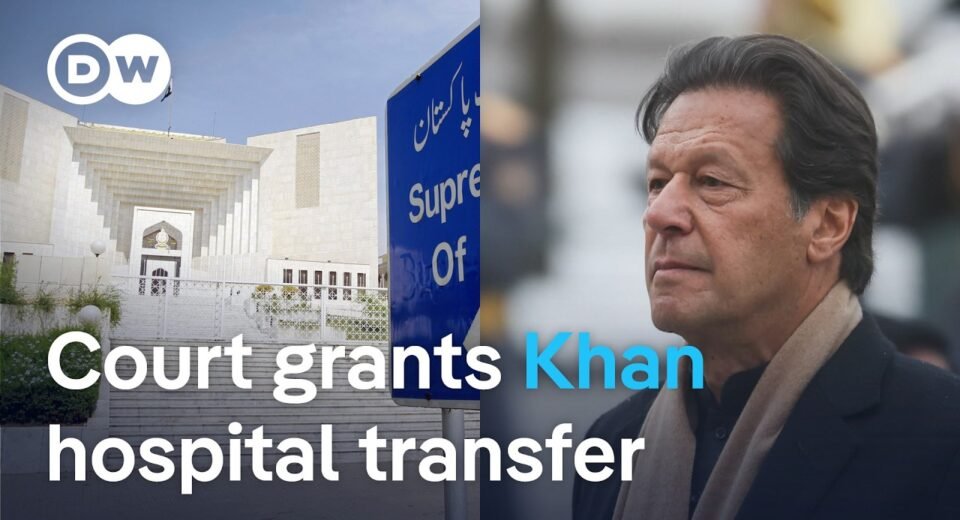
Pakistan’s Supreme Court and the federal government are locked in a fresh standoff over the health and custody of jailed PTI founder Imran Khan, and as of Thursday, August 20, the former prime minister has still not been moved to the private hospital the court ordered two days earlier. What the Supreme Court Ordered On Tuesday, August 18, a three-member bench led by Justice Shahid Waheed, along with Justices Naeem Akhtar Afghan and Ishtiaq Ibrahim, directed Adiala jail authorities to transfer Imran Khan to Shifa International Hospital in Islamabad for medical assessment and treatment until September 16. The written order was specific on timing, stating that the prisoner was to be shifted within two days. The petitioners pressing for the move included Khan’s sister Dr Uzma Khan, his lawyer Uzair Bhandari, and PTI leader Mashal Yousafzai. The bench went beyond simply ordering the transfer. It also directed the formation of a medical board comprising a physician, a general surgeon, an internal medicine specialist, an eye specialist and a cardiologist, working in coordination with Shifa International’s management. Khan’s personal physician, Dr Faisal Sultan, and his sister Dr Uzma Khan were permitted to remain involved in the examination and treatment process, and the court ruled that the costs of care at Shifa would be borne by Khan or his family rather than the state. Family access was widened as well. The order allows Khan to meet relatives once a week and speak with his sons, who live abroad, twice weekly by phone. The bench was equally firm on one restriction: his medical reports were not to be shared with the media or used for political point-scoring. The Government Pushes Back The response from Islamabad came quickly. A day after the order, the federal government filed a review petition through the Islamabad Chief Commissioner, arguing that the August 18 direction should be reviewed and recalled. According to reporting on the filing, it went as far as arguing that if legal exceptions could already be carved out elsewhere in the constitutional order, none should now be made for Khan’s hospital treatment. Separate coverage described the petition’s own language as calling the court’s order “discriminatory in nature.” The government’s central legal argument was procedural rather than medical: that the bench should have secured a conclusive expert opinion before concluding Khan’s condition warranted moving him outside prison altogether. Officials also pointed to the broader legal picture, noting that Khan was sentenced to three years by an Additional Sessions Judge on August 5, 2023, with an appeal still pending before the Islamabad High Court. It was during those very proceedings that he first sought hospital transfer under Section 561-A of the Code of Criminal Procedure, a provision that allows courts to order a prisoner’s temporary release or transfer on humanitarian or medical grounds. That review petition did not get far. On Thursday, the Supreme Court’s Registrar Office returned it on technical grounds, with sources citing incomplete “paper books,” the formal documentation bundle required to accompany a review filing. The petition, officials said, would need to be refiled once those procedural gaps were fixed. PTI treated the setback as vindication. Party Secretary General Salman Akram Raja described the development on social media as an effective withdrawal by the government and said there was no justification left for delaying compliance with the August 18 order. Khan’s lawyer, Khalid Yousaf Chaudhry, signalled the party’s next move, telling reporters PTI intended to file a contempt petition if the government continued stalling the transfer. Why This Case Runs Deeper Than One Hospital Bed This is not an isolated flashpoint. Concerns about Khan’s health inside Adiala Jail have surfaced repeatedly since his conviction in August 2023, including an earlier Supreme Court order this year for an eye examination after reports of vision problems, and at least one occasion when he was taken to a government facility for a minor eye procedure. Jail authorities have periodically maintained that his vital signs are normal and that he receives standard B-Class privileges, while his sisters have at times described him as physically weakened and under considerable strain during family visits. Stripped of the political noise, the underlying dispute is about authority as much as health: whether jail doctors, an independent medical board, or the judiciary itself should have the final say when a high-profile prisoner’s treatment collides with routine custodial procedure. What to Watch Next Three developments will shape where this goes before the September 16 hearing: whether the government manages to refile a technically compliant review petition, whether Khan’s legal team proceeds with a contempt application in the interim, and whether the medical board ordered by the court is actually constituted with Shifa International’s cooperation. Given how quickly claims and counter-claims have circulated from both camps this week, readers following the story are best served by treating social media statements as provisional and waiting for confirmation through official court filings or verified news reporting before drawing conclusions.

Planning Iraq Ziyarat from Pakistan Travel

Planning Iraq Ziyarat from Pakistan

Talk to anyone who has done Ziyarat in Iraq and within about two minutes they will tell you what went wrong. The 4 AM landing. The hotel that turned out to be a twenty-minute drive from the haram. The cousin who forgot his passport was expiring in six weeks. Nobody tells you the parts that went smoothly, because smooth is invisible. But smooth is the whole point. You are going to Najaf, Karbala, Kazmain and Samarra for something that is hard to put into words, and the last thing you want is to spend your evenings arguing with a driver about pickup timings. So here is the practical side of it, from a Pakistani traveller’s point of view. When you go changes everything You can travel for Ziyarat any month of the year. But the month you pick will shape your trip more than almost any other decision. Arbaeen is a category of its own. Millions of people walking towards Karbala, roads shut, hotels booked out a year ahead, airfares that make you wince. If you have ever wanted to see something you will describe to your grandchildren, that is it. Just do not walk into it casually. Planning six to eight months out is normal for Arbaeen, not excessive. Then there is everything else. Ordinary weeks, ordinary crowds. You can stand at the zarih without being carried along by the press of people behind you. Rooms are cheaper. Your group is not permanently waiting for one person who got separated. Plenty of pilgrims prefer it this way and go back repeatedly during quiet months. Neither is the correct answer. They are just different trips. Know which cities you are actually getting Most packages sold in Pakistan advertise four cities. Read the day-by-day itinerary anyway. Najaf is usually where you land and where you begin. The shrine of Imam Ali (a.s.) is there, and for most people this is the moment the trip stops being an itinerary and becomes real. Karbala is the heart of it. Imam Hussain (a.s.) and Hazrat Abbas (a.s.), the walk between the two shrines, the crowds at Maghrib. Ask most Pakistani pilgrims why they are going to Iraq at all and Karbala is the answer, even if they name the other cities too. Kazmain sits just outside Baghdad and holds the shrines of Imam Musa al-Kazim (a.s.) and Imam Muhammad al-Jawad (a.s.). Calmer than Karbala. People often say they wish they had been given another day there. Samarra is further north and it is the stop most likely to get trimmed when an operator is tightening costs. If Samarra matters to you, get it confirmed in writing before you pay anything. Two packages priced within a few thousand rupees of each other can differ by an entire city and two nights. The price tells you almost nothing on its own. The visa, and the passport you forgot about Iraq’s entry requirements change more often than people expect. Whatever your uncle did in 2019 may no longer apply, and advice from a forum eight months ago is history, not advice. Confirm the current position close to your travel date. One rule catches Pakistani travellers out repeatedly. If you are applying individually and you are under 50, you cannot travel alone. You need a close family member with you, meaning your father, mother, sister or wife. Travelling with a registered group through an operator is handled differently, so check which situation applies to you before you make any bookings. Now go and look at your passport. Check the expiry date and count the blank pages. Obvious, yes. Also, the most common reason people get pulled out of a group two weeks before departure, and renewals are slow if you are outside a major city. First time travelling? Let someone experienced handle the visa file. There is no prize for doing it yourself. Flights: the cheapest fare is rarely the cheapest trip Most groups fly out of Karachi, Lahore or Islamabad. Fares vary a lot and the temptation is to sort by price and book the top result. Before you do, look at four things. How many stops. How long the layover actually is, including whether you clear immigration during it. Which Iraqi airport you land at, since Najaf and Baghdad put you in very different starting positions. And what time you arrive. Hotel distance is the whole thing This is the item people underestimate most. A hotel ten minutes’ walk from the haram means you go for Fajr, come back, rest, go again in the afternoon, go again after Maghrib. A hotel that needs a vehicle means you go once or twice a day and spend the rest of the time in traffic or waiting for the group to assemble. Yes, the closer hotels cost more, and during peak season they cost a lot more. Before you commit, ask for the hotel name so you can look it up yourself, the actual walking distance, the room configuration, and whether the price you were quoted includes accommodation throughout or only for some nights. If you are getting soft answers to hard questions, keep asking. Package or on your own? Going independent gives you control. Your own schedule, your own hotels, nobody waiting on anybody. Some experienced travellers genuinely prefer it and manage fine. The trade-off is that every problem is now yours. Visa rejection, missed connection, hotel that has no record of your booking at 11 PM. Nobody is picking up that call for you. For families, older travellers and larger groups, a package is usually the sensible choice. When you compare them, ignore the headline number and get clarity on: Ask these before you pay. Afterwards you have no leverage. Experience is worth paying for Operators who have been doing this for years are not selling you a better itinerary. They are selling you the fact that they have already dealt with the visa that came through late, the flight that got moved, the hotel that

News Tech

Weather Alert Pakistan: 13–15 August Ke Dauran Rain Aur Thunderstorms Expected

Yaar, agar aap agle do-teen din ke liye ghar se bahar nikalne ka plan bana rahe hain, to zara ruk jaiye aur pehle ye article pura parh lijiye. Pakistan Meteorological Department (PMD) ne ek naya weather alert jaari kiya hai jismein 13 se 15 August tak mulk ke upper aur central hisson mein tez barish aur thunderstorms ki peshgoi ki gayi hai. Monsoon currents ab bhi active hain, aur inke sath ek westerly wave bhi mil kar upper areas ko affect kar rahi hai — jiski wajah se ye poora weather system banta hua nazar aa raha hai. Mujhe lagta hai humein sabse pehle ye samajhna chahiye ke asal mein ho kya raha hai. Simple lafzon mein, do alag weather systems ek dusre se takra rahe hain — ek to hamara traditional monsoon flow jo south se nami le kar aata hai, aur dusra westerly wave jo upper Pakistan ki taraf se aa raha hai. Jab ye dono milte hain to result hota hai heavy rain, gusty winds aur kabhi kabhi hailstorm bhi. Yehi wajah hai ke PMD ne is baar thora zyada seriously warning di hai. Upper Aur Central Areas Mein Barish Ka Zyada Imkan Hai? Agar aap Islamabad, Rawalpindi ya Potohar region mein rehte hain, to aapke liye ye khaas taur par important hai. Evening ya raat ke waqt se le kar 15 August tak yahan thunderstorms aur kabhi kabhi heavy rain expected hai. Punjab ke northeastern districts — jaise Sialkot, Gujrat, Gujranwala, Narowal, Lahore, Kasur aur Sheikhupura — mein bhi intermittent rain ka silsila chalta rahega. Isi tarah Khyber Pakhtunkhwa ke upper areas, Kashmir aur Gilgit-Baltistan mein bhi rain-wind aur thundershowers ki strong possibility hai. Region Expected Weather (13–15 August) Islamabad, Rawalpindi, Potohar Thunderstorms, kabhi kabhi heavy rain Northeastern Punjab (Lahore, Sialkot, Gujranwala) Intermittent rain, tez hawa Upper Khyber Pakhtunkhwa (Swat, Dir, Abbottabad, Mansehra) Rain-thunderstorm, landslide risk Kashmir (Muzaffarabad, Rawalakot, Neelum Valley) Wind ke sath thundershowers Gilgit-Baltistan (Gilgit, Skardu, Hunza) Halki se moderate rain Southern Punjab (Multan, D.G. Khan, Bahawalpur) Scattered thunderstorms, gusty winds Dekha jaye to Sindh ka scene thora alag hai. Karachi aur coastal areas mostly cloudy aur humid rahenge, aur Tharparkar, Umerkot, Sanghar jaise kuch districts mein halki thundershowers ho sakti hain, lekin baaqi province mein garmi aur humidity hi dominant rahegi. 13 Se 15 August Tak Ehtiyaat Kyun Zaroori Hai? Ab yahan par main aapko wo baat batana chahta hoon jo shayad sabse zyada important hai — safety. PMD aur PDMA dono ne mil kar warning di hai ke low-lying areas mein urban flooding ho sakti hai, khaas taur par Islamabad, Rawalpindi, Gujranwala, Sialkot aur Lahore jaisi jagah par. Mountainous areas — Murree, Galiyat, upper KP aur Kashmir — mein landslides ka bhi khatra mojood hai. Isliye agar aap in areas mein travel kar rahe hain ya rehte hain, to thora extra alert rehna aapke apne fayde mein hai. Ehtiyaati Tadabeer Jo Aapko Zaroor Follow Karni Chahiye Karne Wale Kaam Kyun Zaroori Hai Mountainous areas ka travel avoid karein Landslide ka khatra barh jata hai Low-lying areas se door rahein Urban flooding ka risk Tez hawa mein khule mein na jayein Pole ya darakht girne ka khatra Weather updates regularly check karein Sudden changes se bachne ke liye Farmers apni activities plan karein Crops ko nuqsan se bachaya ja sake Honestly, ye season Pakistan mein har saal aata hai, lekin har baar humein thora zyada tayyar rehna chahiye. Chhoti chhoti ehtiyaatein — jaise ghar se nikalne se pehle forecast check karna, ya mountainous route avoid karna — bade nuqsan se bacha sakti hain. PMD ka kehna hai ke ye weather system 15 August tak active rahega, uske baad dobara mausam clear hone ki umeed hai. To agle do-teen din ke liye apna chhata (umbrella) tayyar rakhiye, gaadi dheeme chalayiye agar barish ho rahi ho, aur social media par circulate hone wali har khabar par yaqeen na karein — sirf official PMD ya local administration ke updates par bharosa karein. Stay safe, stay informed!

News Tech

Pakistan Weather Update: Upper Aur Central Areas Mein 15 August Tak Barish Ka Imkan

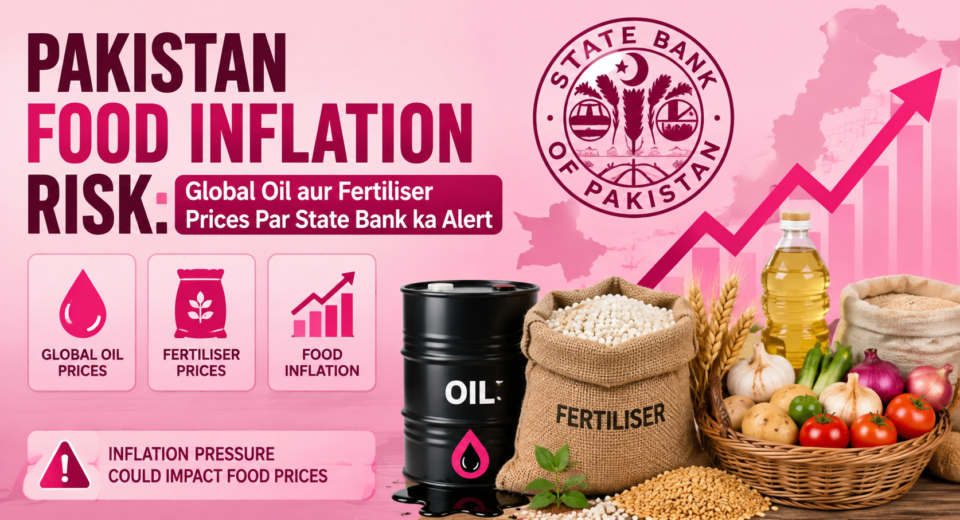
Agar aap bhi grocery bag utha kar ghar aate waqt sochte hain ke “yaar pichle mahine se yeh sab mehnga kaise ho gaya,” to aap akele nahi hain. State Bank of Pakistan (SBP) ne recently ek warning jari ki hai jo seedha aap aur mere kitchen budget se juri hui hai. Bank ki biannual Monetary Policy Report ke mutabiq, global food prices ke aane wale mahinon mein expected se zyada barhne ka khatra hai, jiski wajah higher energy aur fertiliser costs, supply disruptions aur El Niño ka barhta hua risk hai. Yeh sirf ek economic term nahi, balke seedha rozana ki roti, sabzi aur cooking oil ke bill par asar dalne wali baat hai. Asal Masla Kya Hai? Baat simple hai lekin connections thora tangled hain. Jab international market mein crude oil mehnga hota hai, to uska direct asar fertiliser production par parta hai, kyunke natural gas aur oil dono hi fertiliser banane ke bunyadi ingredients hain. SBP ki report ke mutabiq, higher oil prices ne fertiliser prices ko upar dhakel diya hai, jisne agricultural sector ko seedha nuksan pohnchaya hai. Aur jab kissan ko fertiliser mehnga milega, to natural si baat hai wo apni crop ki cost recover karne ke liye price barhayega — aur yeh burden aakhir kaar aam consumer tak pohnchta hai. Sabse fiqar wali baat yeh hai ke Pakistan pehle hi is pressure mein hai. Report kehti hai ke taqreeban 46 fisad aabadi pehle hi hunger-like conditions ka samna kar rahi hai, aur ispar agar food inflation aur barh jaye to situation aur bigar sakti hai. SBP ne yeh bhi khadsha zahir kiya ke agriculture commodity prices FY 2026-27 ki pehli half mein elevated reh sakti hain, jiski wajah gas prices ka barhna aur El Niño ka risk hai. Global Growth Bhi Slow Ho Rahi Hai Yeh sirf Pakistan ka masla nahi. SBP ne apni report mein yeh bhi kaha ke global economic outlook January ke baad se aur uncertain ho gaya hai, aur IMF ne 2026 ke liye global GDP growth ka projection neeche kar diya hai. Yeh downward revision zyada tar un mulkon ki wajah se hai jo energy import karte hain, jahan higher energy prices ne real incomes ko kam kiya aur economic activity ko dheema kiya hai. Kuch Numbers Jo Tasveer Saaf Karte Hain SBP ke Recent Projections – Ek Nazar Mein Indicator SBP Projection / Data Average Inflation FY27 5.5% – 7.5% Real GDP Growth FY27 3.5% – 4.5% Current Account Deficit FY27 0% – 1% of GDP Population Facing Hunger-like Conditions ~46% Yeh numbers batate hain ke SBP overall cautiously optimistic hai, lekin food aur energy prices ka risk factor abhi bhi table par hai. Woh Factors Jo Food Inflation Ko Hawa De Rahe Hain Risk Factor Asar Global Oil Prices Transport aur fertiliser production cost barhati hain Fertiliser Costs Agricultural input expensive ho jate hain El Niño Risk Crop yield par negative asar, supply kam hoti hai Middle East Tensions Freight aur insurance costs elevated rehte hain Water Scarcity Purani irrigation system, technology ki kami Ab Aage Kya? SBP ne khud maana hai ke agar global fuel prices normalize hote hain aur domestic demand moderate rehti hai, to inflation gradually target range ke qareeb aa sakti hai. Lekin abhi ke liye, consumers ko thora cautious rehna chahiye — especially jab baat food budgeting ki ho. Policy makers ke liye bhi yeh ek reminder hai ke sirf monetary tools kaafi nahi, balke agriculture sector mein structural reforms — jaise behtar irrigation aur fertiliser subsidy planning — bhi utni hi zaroori hain. End mein, yeh alert humein yeh yaad dilata hai ke Pakistan ki economy global commodity cycles se kitni closely juri hui hai. Oil ka barrel kahin door kisi market mein mehnga hota hai, aur uska asar seedha humare ghar ke chulhe tak pohnch jata hai. Is liye agle kuch mahinon mein grocery prices par nazar rakhna aur apna budget thora flexible rakhna samajhdari hogi.

News Tech

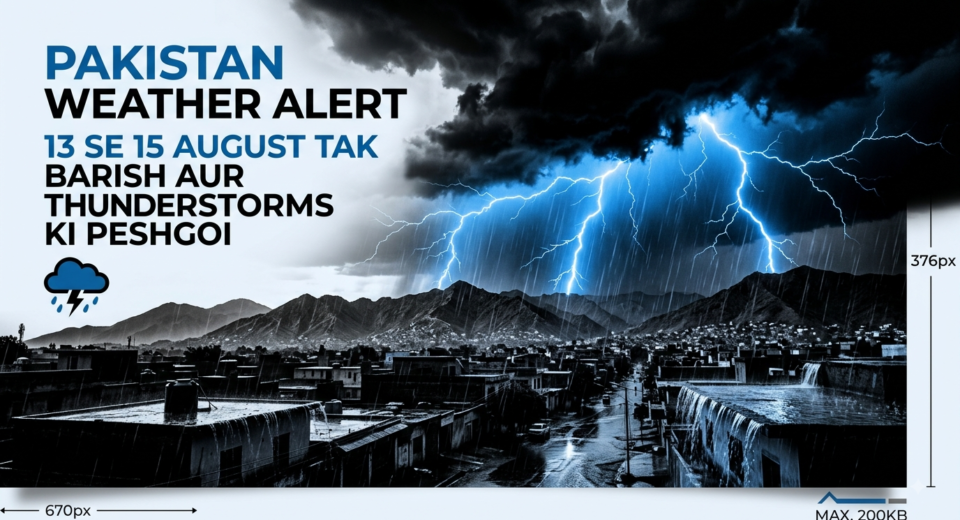
Pakistan Weather Alert: 13 Se 15 August Tak Barish Aur Thunderstorms Ki Peshgoi

Agar aap in dinon Pakistan mein hain to apni chatri (umbrella) ready rakhiye, kyunke Pakistan Meteorological Department (PMD) ne ek naya weather spell announce kar diya hai jo 13 se 15 August tak mulk ke upper aur central hisson ko cover karega. Mujhe khud yeh dekh kar acha laga ke iss baar monsoon thoda “organized” tareeke se aa raha hai, lekin saath hi kuch ehtiyaat bhi zaroori hai kyunke isme heavy rain, thunderstorms aur kahin kahin urban flooding ka khadsha bhi shamil hai. Weather System Ki Wajah Kya Hai? PMD ke mutabiq is spell ki do bari wajuhat hain — monsoon currents jo mulk ke upper areas mein dakhil ho rahe hain, aur ek westerly wave jo isi waqt region ko affect kar rahi hai. Jab yeh dono systems aapas mein mil jate hain, to result hota hai tez hawaon ke sath barish, garaj chamak (thunderstorm), aur kabhi kabhi hailstorm bhi. Yehi combination is baar bhi dekhne ko mil raha hai, isliye departments ne pehle se hi advisory jaari kar di hai taake log time par ehtiyaat kar sakein. Kahan Kahan Barish Ki Umeed Hai? Sabse pehle baat karte hain un areas ki jahan is spell ka sabse zyada asar hoga. Azad Jammu Kashmir, Gilgit-Baltistan aur upper Khyber Pakhtunkhwa mein 12 August ki raat se hi halki barish shuru ho chuki thi, aur yeh silsila 15 August tak jari rahega. Islamabad, Rawalpindi aur Potohar region mein 13 August ki sham ya raat se thunderstorm expected hai, jabke kuch jagah heavy rain ka bhi imkaan hai. Punjab ke bohat se zilon — jaise Lahore, Gujranwala, Sialkot, Gujrat, Sargodha, Faisalabad aur Bahawalpur — mein bhi intermittent barish aur tez hawaen chalne ka andesha hai. Southern Punjab aur Balochistan ke kuch hisson jaise Dera Ghazi Khan, Zhob aur Barkhan mein bhi thunderstorm ki activity dekhi ja sakti hai. Sindh mein overall mausam garam aur humid rahega, albatta Tharparkar, Umerkot aur Sanghar jaise areas mein 13 August ko chhitpat barish ho sakti hai. Neeche di gayi table mein aap area-wise forecast ek nazar mein dekh sakte hain: Area Expected Weather (13-15 August) Islamabad, Rawalpindi, Potohar Thunderstorm, kahin heavy rain AJK aur Gilgit-Baltistan Rukh rukh kar barish, isolated heavy falls Upper Khyber Pakhtunkhwa Thunderstorm, landslide risk Central/Northeast Punjab Intermittent barish, tez hawaen Sindh (Tharparkar, Umerkot, Sanghar) Halki barish 13 August ko Baqi Sindh Garam aur humid mausam Ehtiyaati Tadabeer Kya Hain? Ab jo sabse important baat hai — safety. PMD aur PDMA Punjab dono ne warn kiya hai ke tez barish ki wajah se Islamabad, Rawalpindi, Lahore, Gujranwala, Gujrat, Sialkot, Mardan aur Swabi jaisi jagahon par urban flooding ho sakti hai. Iske ilawa upper KP, GB, Murree, Galiyat aur Kashmir ke pahaari ilaqon mein landslide ka khatra bhi barh gaya hai. Isi liye agar aap in areas mein rehte hain ya travel ka plan bana rahe hain, to thora extra hoshiyar rehna hi behtar hoga. Safety Tips Jo Aapko Zaroor Follow Karni Chahiye Tip Wajah Ghar se nikalne se pehle weather update check karein Sudden thunderstorm se bachne ke liye Pahaari safar (Murree, Galiyat, Kashmir) filhaal avoid karein Landslide ka risk zyada hai Drains aur gutters ko block na hone dein Urban flooding ko kam karne ke liye Bijli ke khambon aur darakhton se door rahen tez hawa mein Girne ka khatra hota hai Kisaan apni fasal aur maweshi ka khayal rakhein PMD ki advisory ke mutabiq Meri raye mein, yeh spell zaroor kuch pareshani laayega, lekin agar hum thora sa alert rahen — jaise low-lying areas mein gari park na karna, ya pahaari trip postpone karna — to bohat se masail se bacha ja sakta hai. Monsoon Pakistan ke liye barkat bhi hai aur kabhi kabhi museebat bhi, isliye enjoy bhi karein aur ehtiyaat bhi. Agar aap kisi affected area mein hain, to local administration aur PMD ke updates par nazar rakhna na bhoolein, kyunke mausam kabhi bhi tabdeel ho sakta hai.

Tech

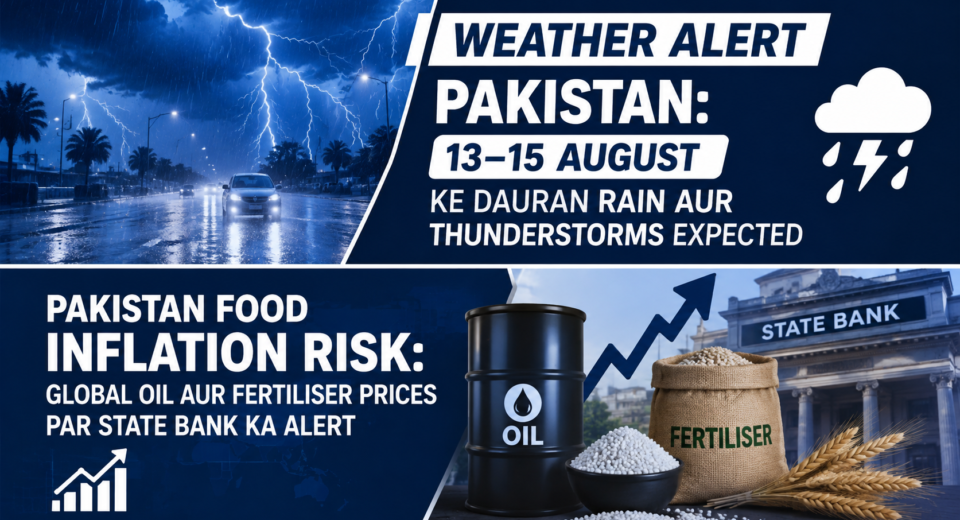
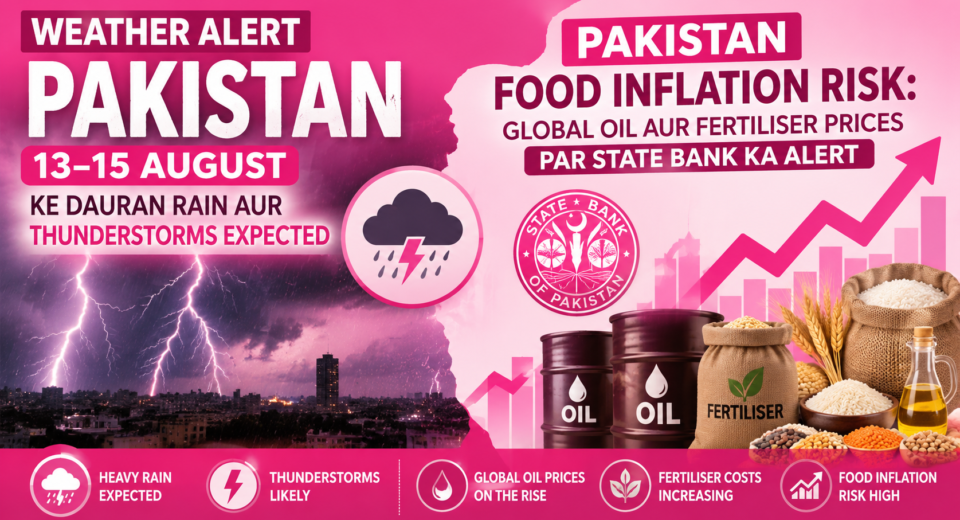
Pakistan Food Inflation Risk: Global Oil aur Fertiliser Prices Par State Bank ka Alert

Agar aap bhi grocery bag utha kar ghar aate waqt sochte hain ke “yaar pichle mahine se yeh sab mehnga kaise ho gaya,” to aap akele nahi hain. State Bank of Pakistan (SBP) ne recently ek warning jari ki hai jo seedha aap aur mere kitchen budget se juri hui hai. Bank ki biannual Monetary Policy Report ke mutabiq, global food prices ke aane wale mahinon mein expected se zyada barhne ka khatra hai, jiski wajah higher energy aur fertiliser costs, supply disruptions aur El Niño ka barhta hua risk hai. Yeh sirf ek economic term nahi, balke seedha rozana ki roti, sabzi aur cooking oil ke bill par asar dalne wali baat hai. Asal Masla Kya Hai? Baat simple hai lekin connections thora tangled hain. Jab international market mein crude oil mehnga hota hai, to uska direct asar fertiliser production par parta hai, kyunke natural gas aur oil dono hi fertiliser banane ke bunyadi ingredients hain. SBP ki report ke mutabiq, higher oil prices ne fertiliser prices ko upar dhakel diya hai, jisne agricultural sector ko seedha nuksan pohnchaya hai. Aur jab kissan ko fertiliser mehnga milega, to natural si baat hai wo apni crop ki cost recover karne ke liye price barhayega — aur yeh burden aakhir kaar aam consumer tak pohnchta hai. Sabse fiqar wali baat yeh hai ke Pakistan pehle hi is pressure mein hai. Report kehti hai ke taqreeban 46 fisad aabadi pehle hi hunger-like conditions ka samna kar rahi hai, aur ispar agar food inflation aur barh jaye to situation aur bigar sakti hai. SBP ne yeh bhi khadsha zahir kiya ke agriculture commodity prices FY 2026-27 ki pehli half mein elevated reh sakti hain, jiski wajah gas prices ka barhna aur El Niño ka risk hai. Global Growth Bhi Slow Ho Rahi Hai Yeh sirf Pakistan ka masla nahi. SBP ne apni report mein yeh bhi kaha ke global economic outlook January ke baad se aur uncertain ho gaya hai, aur IMF ne 2026 ke liye global GDP growth ka projection neeche kar diya hai. Yeh downward revision zyada tar un mulkon ki wajah se hai jo energy import karte hain, jahan higher energy prices ne real incomes ko kam kiya aur economic activity ko dheema kiya hai. Kuch Numbers Jo Tasveer Saaf Karte Hain SBP ke Recent Projections – Ek Nazar Mein Indicator SBP Projection / Data Average Inflation FY27 5.5% – 7.5% Real GDP Growth FY27 3.5% – 4.5% Current Account Deficit FY27 0% – 1% of GDP Population Facing Hunger-like Conditions ~46% Yeh numbers batate hain ke SBP overall cautiously optimistic hai, lekin food aur energy prices ka risk factor abhi bhi table par hai. Woh Factors Jo Food Inflation Ko Hawa De Rahe Hain Risk Factor Asar Global Oil Prices Transport aur fertiliser production cost barhati hain Fertiliser Costs Agricultural input expensive ho jate hain El Niño Risk Crop yield par negative asar, supply kam hoti hai Middle East Tensions Freight aur insurance costs elevated rehte hain Water Scarcity Purani irrigation system, technology ki kami Ab Aage Kya? SBP ne khud maana hai ke agar global fuel prices normalize hote hain aur domestic demand moderate rehti hai, to inflation gradually target range ke qareeb aa sakti hai. Lekin abhi ke liye, consumers ko thora cautious rehna chahiye — especially jab baat food budgeting ki ho. Policy makers ke liye bhi yeh ek reminder hai ke sirf monetary tools kaafi nahi, balke agriculture sector mein structural reforms — jaise behtar irrigation aur fertiliser subsidy planning — bhi utni hi zaroori hain. End mein, yeh alert humein yeh yaad dilata hai ke Pakistan ki economy global commodity cycles se kitni closely juri hui hai. Oil ka barrel kahin door kisi market mein mehnga hota hai, aur uska asar seedha humare ghar ke chulhe tak pohnch jata hai. Is liye agle kuch mahinon mein grocery prices par nazar rakhna aur apna budget thora flexible rakhna samajhdari hogi.

News Tech

Pakistan-Iran Diplomacy: Mohsin Naqvi Meets Iranian Leadership in Tehran

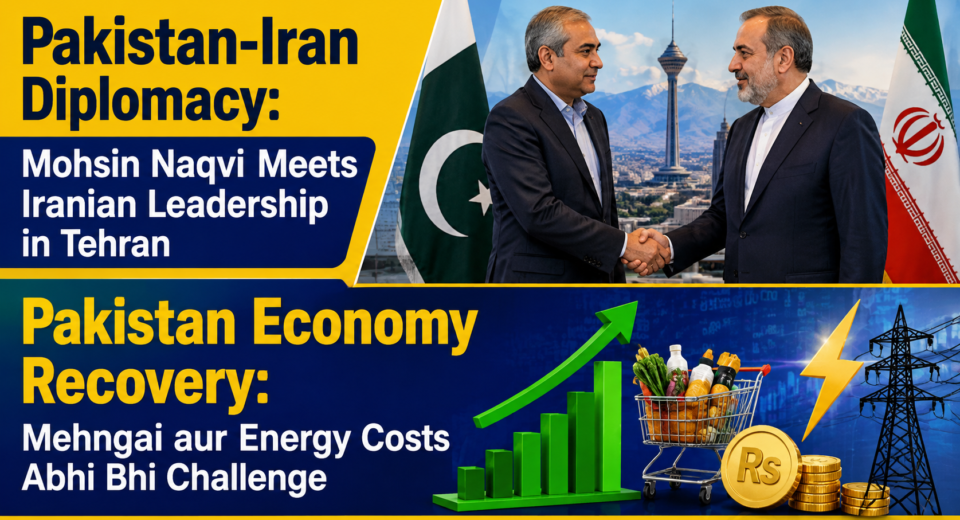
If you’ve been following the news out of the Middle East lately, you’ve probably noticed one name popping up again and again — Mohsin Naqvi. Pakistan’s Interior Minister has practically become a regular visitor to Tehran this year, and his latest trip is turning heads once more. This time, he sat down with Iranian President Masoud Pezeshkian, Foreign Minister Abbas Araghchi, and Interior Minister Eskandar Momeni, all in the span of a single visit. That’s not a small feat, and it tells you a lot about how seriously Islamabad is taking its role in the region right now. So, why does this matter to you? Well, Pakistan has quietly positioned itself as a go-between for Iran and the United States, especially as tensions around the Strait of Hormuz keep escalating. Naqvi’s Foreign Ministry confirmed that this visit was centered on bilateral relations, regional security, and what officials are calling “constructive engagement” between the parties involved. In plain English, Pakistan is trying to keep the lines of communication open at a moment when direct talks between Washington and Tehran are practically frozen. A Message Beyond the Handshake What really stands out here is that Naqvi wasn’t just carrying his own agenda. According to Iran’s government website, he delivered a message from Pakistani Prime Minister Shehbaz Sharif and the Chief of Army Staff. That’s a pretty clear sign this isn’t a routine diplomatic courtesy call — it’s a coordinated effort involving Pakistan’s civilian and military leadership working together on a single, unified message to Tehran. President Pezeshkian, for his part, has repeatedly emphasized that Iran wants to deepen ties with Pakistan across the board — economic, cultural, and security cooperation included. He’s pointed to the two nations’ long shared history and people-to-people connections as a foundation worth building on. It’s the kind of rhetoric that sounds diplomatic on the surface, but given the current regional climate, it carries real weight. Why the Timing Matters Let’s be honest — nobody sends their interior minister to another country three times in a matter of months just for a friendly chat. The backdrop here is the ongoing standoff over the Strait of Hormuz, a waterway that’s become a flashpoint since Iran insists on controlling passage through it and the U.S. has responded with its own blockade measures on Iranian ports. That’s a dangerous combination, and it’s exactly why Pakistan’s mediation role has become so important to watch. Quick Snapshot of Naqvi’s Tehran Visits Visit Timeline Key Iranian Officials Met Primary Focus Mid-May 2026 Araghchi, Momeni Reviving US-Iran talks Late June 2026 Pezeshkian, Araghchi, Momeni Bilateral ties, mediation push August 2026 Pezeshkian, Araghchi, Momeni Regional security, Hormuz crisis What This Means for Pakistan-Iran Relations Area of Cooperation Current Status Diplomatic Channel Active and expanding Economic & Trade Ties Both sides pushing for deeper engagement Security Coordination Increasing amid regional tensions US-Iran Mediation Role Pakistan positioning as key intermediary At the end of the day, this isn’t just about two neighboring countries exchanging pleasantries. It’s about Pakistan carving out a genuine role on the regional stage, one that could shape how the Iran-US standoff eventually plays out. Whether Naqvi’s shuttle diplomacy actually produces a breakthrough remains to be seen, but one thing’s for sure — Islamabad isn’t sitting on the sidelines this time. Given how fluid the situation around the Strait of Hormuz still is, don’t be surprised if this isn’t Naqvi’s last trip to Tehran this year.

News Tech

Gulf Waters Ship Attacks: 3 Pakistani Citizens Reported Dead

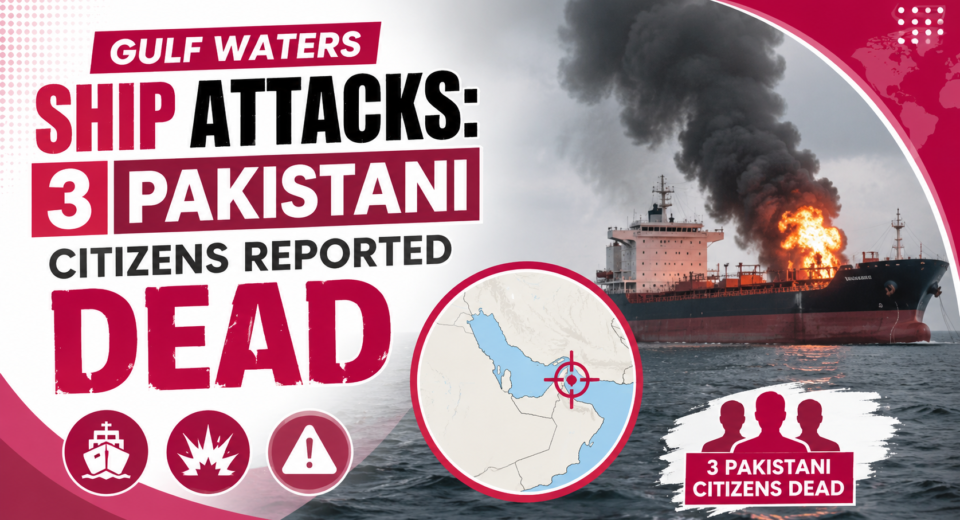
If you’ve been following the news out of the Middle East this week, you’ve probably seen the headlines about another commercial ship coming under fire in the Red Sea. It’s a heartbreaking story, and honestly, one that hits close to home for a lot of Pakistani families right now. Three Pakistani nationals have lost their lives after their vessel was struck near the Bab al-Mandeb Strait, one of the busiest and most dangerous maritime corridors on the planet. Here’s what we know so far. The vessel, identified as the Tihamah and flying a Yemeni flag, was reportedly carrying food supplies when it came under attack while sailing through the strait. Yemen’s coast guard says the ship was hit not once but multiple times, first by an initial strike that set it ablaze, and then again while rescue teams were trying to reach the crew. That second strike is what’s really drawing international outrage, because it appears rescuers were deliberately targeted too. Pakistan’s Deputy Prime Minister and Foreign Minister, Ishaq Dar, confirmed the tragedy in a post on social media, saying three Pakistani nationals had died and one more was injured. He didn’t hold back in his response either, calling it a clear violation of international law and a direct threat to the safety of maritime navigation. The Foreign Ministry says it’s now working closely with Saudi authorities and Yemen’s internationally recognized government to sort out the details and, just as importantly, to bring the bodies of the deceased back home. The attack has been attributed to the Houthi movement, also known as Ansarullah, which has ramped up its campaign against shipping in the region following the collapse of a years-long truce in Yemen’s civil war. This isn’t an isolated event either. Just a day before the Tihamah incident, another Houthi strike on a cargo vessel further south reportedly killed several more crew members, underlining just how volatile these waters have become. Why This Keeps Happening The Red Sea and the wider Gulf region have basically turned into a minefield for commercial shipping over the past couple of years. Traffic through the Bab el-Mandeb Strait has dropped by more than half compared to before this wave of attacks started, and shipping companies are increasingly rerouting vessels around Africa entirely, even though that adds weeks to delivery times and drives up costs. For everyday Pakistanis, this isn’t just a geopolitical footnote. Thousands of Pakistani sailors work on commercial vessels that regularly pass through these waters, so incidents like this one hit particularly hard back home. Incident Detail Information Vessel Name Tihamah (Yemeni-flagged) Location Bab al-Mandeb Strait, Red Sea Cargo Food supplies Pakistani Fatalities 3 Pakistani Injured 1 Attributed To Houthi forces (Ansarullah) Recent Pakistani Casualties Linked to Regional Conflict Date Location Outcome Feb 28 Iranian missile interception 1 Pakistani killed Mar 8 Dubai (Al Barsha) 1 Pakistani killed Mar 17 Abu Dhabi (Bani Yas) 1 Pakistani killed August 2026 Bab al-Mandeb Strait 3 Pakistani killed, 1 injured What Happens Next Right now, the focus is on repatriation and getting answers. Pakistan’s embassy in Riyadh has been directed to coordinate closely with local authorities to bring the victims’ remains home and support the injured survivor. Beyond that, there’s growing pressure on the international community to do something about the safety of commercial shipping lanes before more lives are lost. It’s a grim reminder that global trade routes aren’t just lines on a map. Real people, often far from home and just trying to earn a living, are the ones paying the price when conflicts spill over into international waters.